
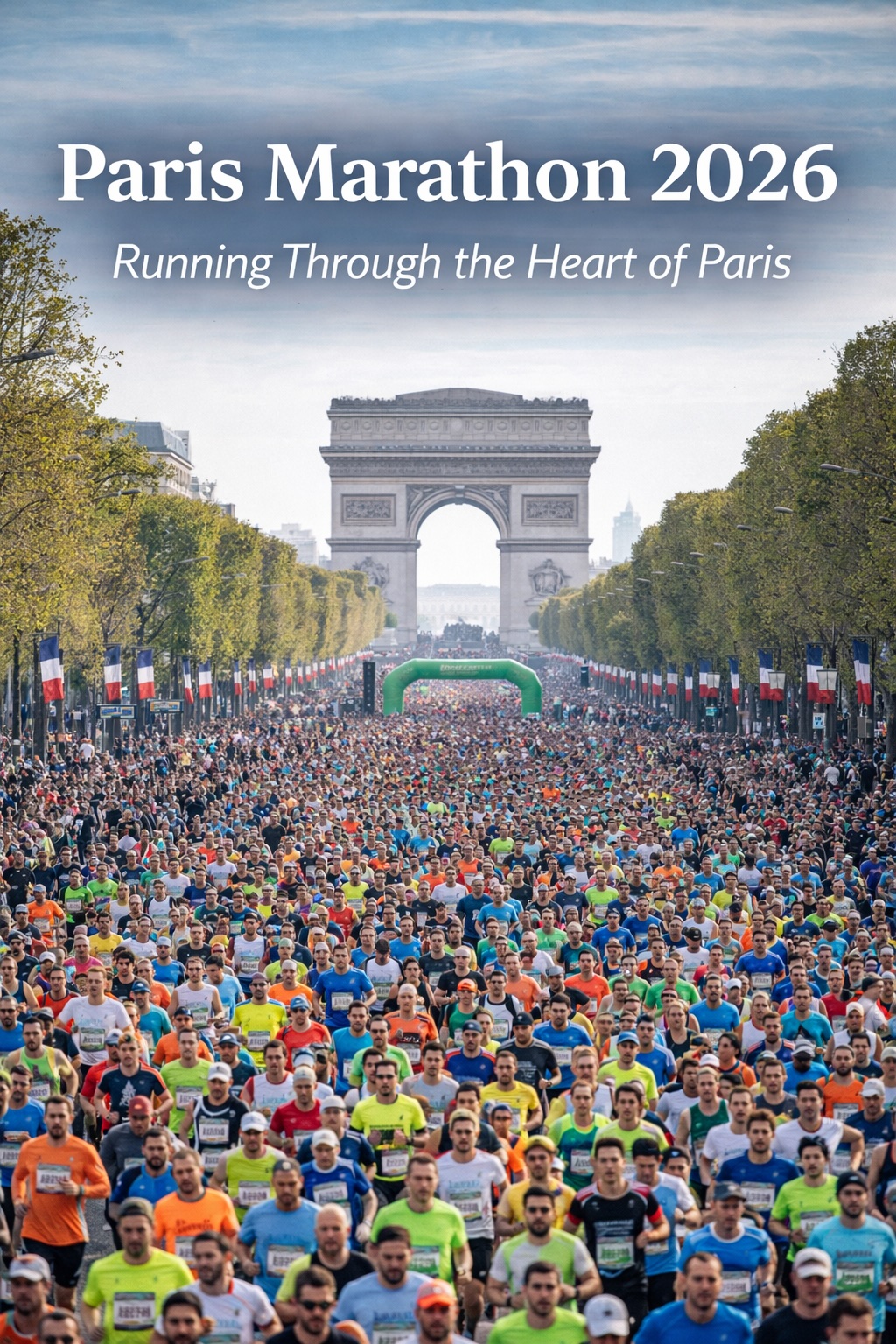
🎥 Schneider Electric Marathon de Paris 2026 – Teaser
A quieter side of Paris begins to emerge through movement, light, and anticipation. This short glimpse invites readers into the rhythm of the city before race day fully unfolds.
📍 Paris, France · Event / Marathon
Credit: https://youtu.be/lzkgwoihEZE?si=JtXUBCAGjURuEbrx
Each spring, the streets of Paris take on a different rhythm. Roads that normally carry the steady flow of city traffic are closed to vehicles, replaced instead by thousands of runners moving through boulevards, historic squares, and riverside avenues. The Paris Marathon is one of the largest and most scenic marathon races in the world, combining endurance sport with a journey through one of Europe’s most historic capitals.
In 2026, the marathon is scheduled to take place on Sunday, 12 April 2026, marking the 49th edition of the event. Organizers expect close to 60,000 runners to participate, making it one of the largest marathons globally. Participants come from across Europe, Asia, the Americas, and beyond, turning the race into an international gathering of athletes, amateur runners, and first-time marathon participants.
The Grand Start on the Champs-Élysées
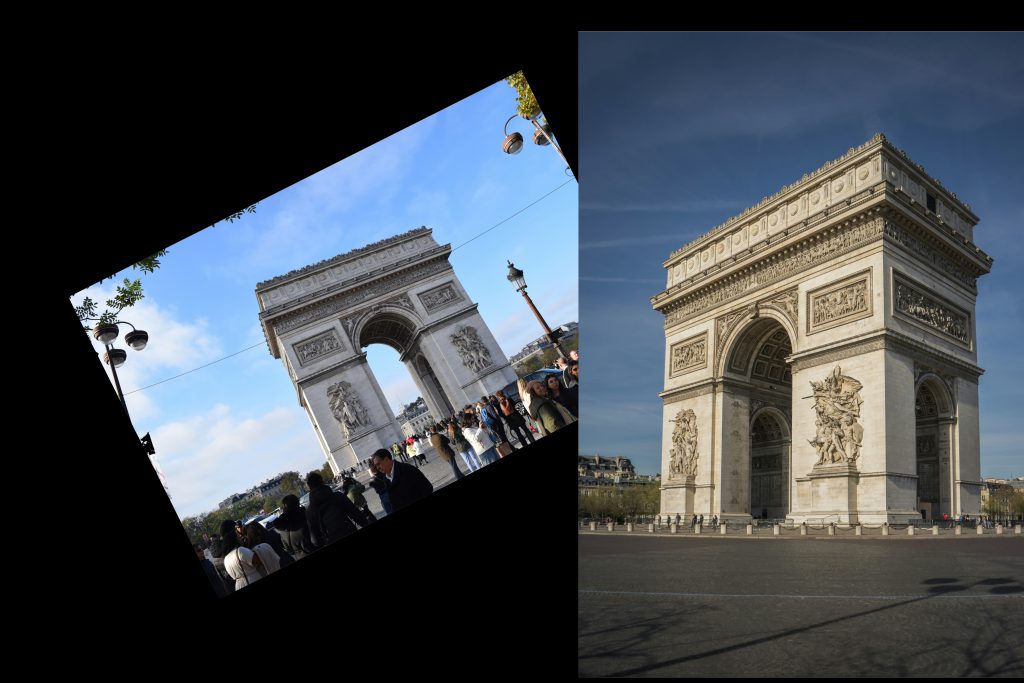
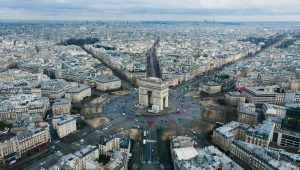
The race traditionally begins along the famous Champs-Élysées, one of the most iconic avenues in the world. The start line sits close to the monumental Arc de Triomphe, where thousands of runners gather in designated waves before the race begins around 8:00 a.m.
Standing on this historic boulevard before the start, runners look down a long avenue framed by trees, elegant buildings, and Parisian cafés. The early morning atmosphere is filled with anticipation. Music plays, volunteers coordinate the starting groups, and spectators begin to gather along the barriers.
When the starting signal is given, runners begin their 42.195-kilometre journey through the heart of the French capital.
Paris Marathon Countdown
Loading marathon countdown…
A Route That Passes Through Parisian History
What makes the Paris Marathon unique is the route itself. Rather than simply focusing on speed, the course is designed to showcase the city’s landmarks and historic neighborhoods.
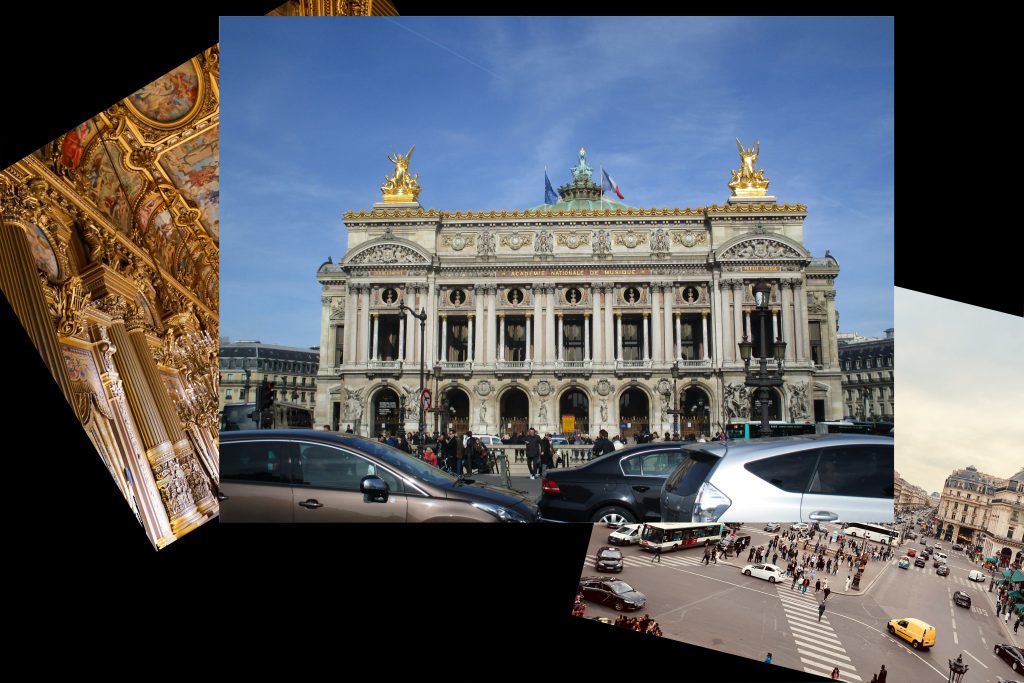
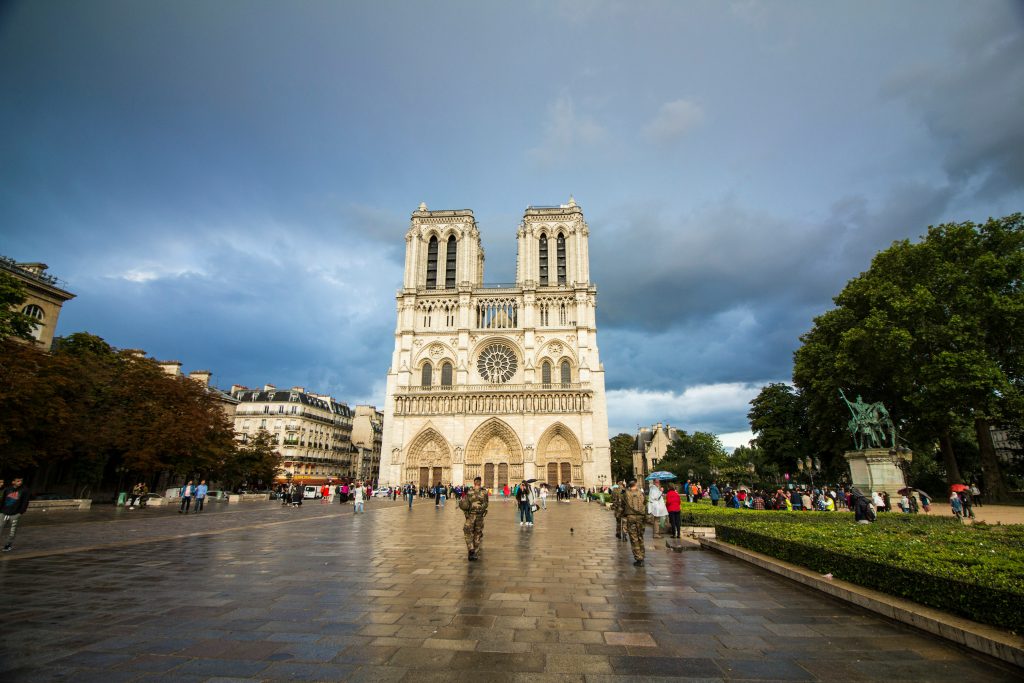
Shortly after the start, runners pass through central Paris and move toward areas near the elegant Palais Garnier, one of the most famous opera houses in Europe. The route continues past historic boulevards and eventually reaches areas close to the cathedral of Notre-Dame Cathedral, an enduring symbol of the city’s medieval heritage.
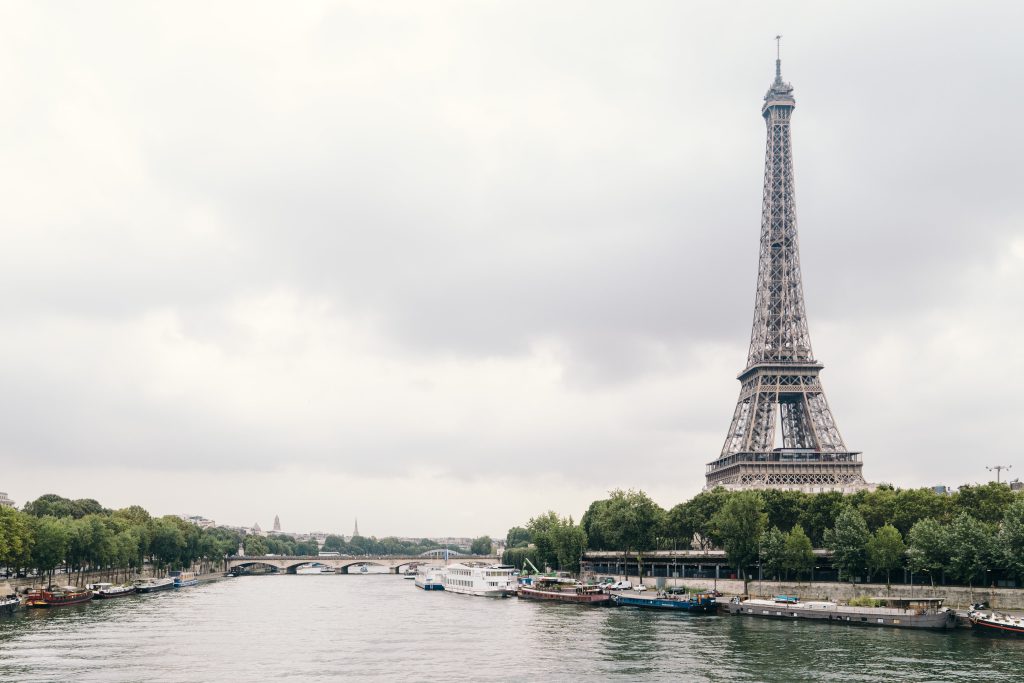
As runners progress through the race, they follow sections of the scenic Seine River, running along embankments lined with stone bridges, historic buildings, and tree-covered pathways. These stretches provide some of the most memorable views of the race.
One of the highlights comes when runners pass near the towering Eiffel Tower, a landmark that instantly signals they are running through one of the world’s most recognizable cities.

From City Boulevards to Parisian Parks
The marathon route is not limited to the dense urban center. It also leads runners through some of the city’s green spaces, offering moments of calm away from the cheering crowds.
The course includes sections through the wooded park of Bois de Vincennes in eastern Paris and later the expansive Bois de Boulogne in the west. These park segments provide runners with long, tree-lined paths that contrast with the stone architecture of central Paris.
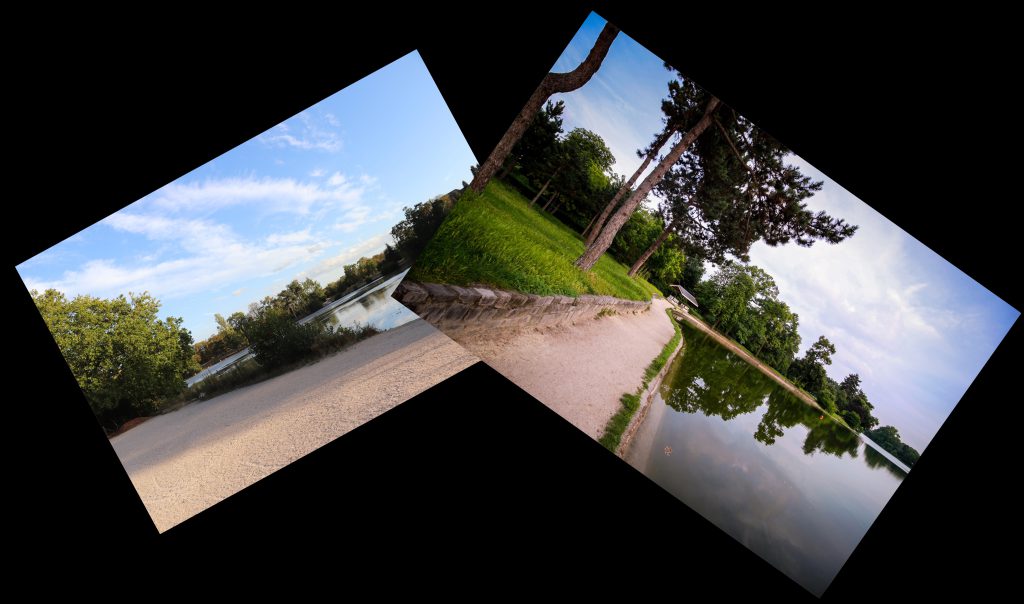
For many participants, these quieter areas become the mental challenge of the race — a time when endurance and pacing become crucial.
The Finish Near Avenue Foch
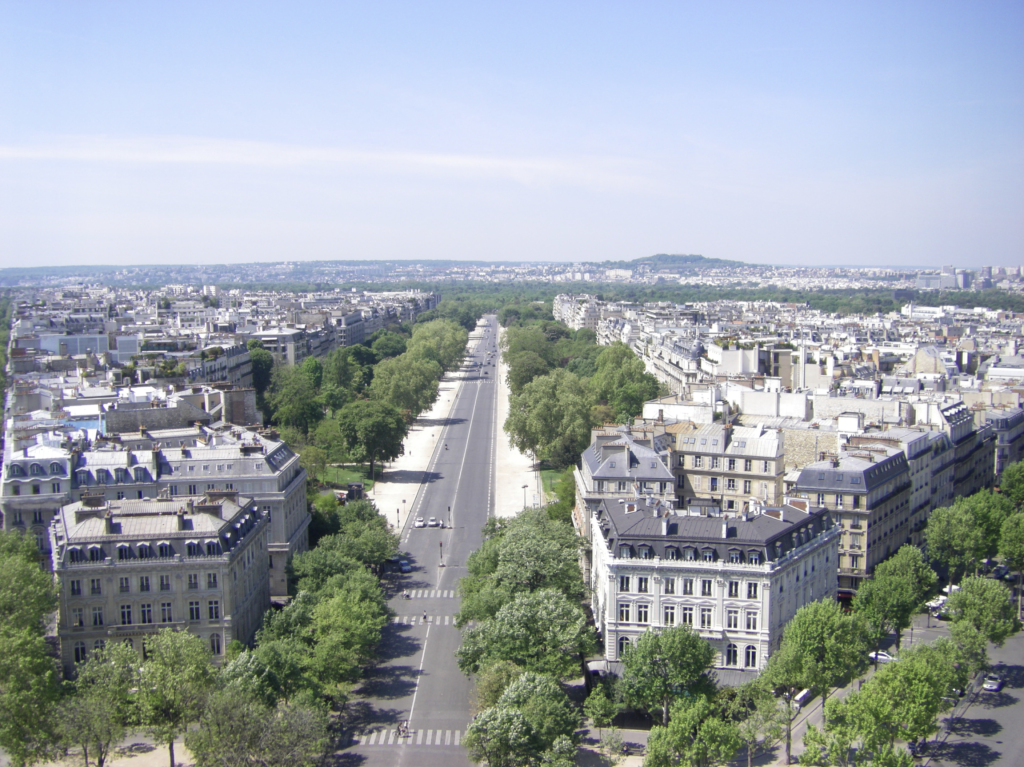
After more than 42 kilometers of running through the French capital, athletes approach the finishing stretch near Avenue Foch, one of Paris’s grandest avenues.
Here, the crowds grow thicker again as spectators cheer runners toward the finish line. Completing the Paris Marathon is a deeply emotional moment for many participants. Months of training and preparation culminate in the final steps across the finish line beneath banners celebrating the completion of one of the world’s great marathons.
A Global Gathering of Runners
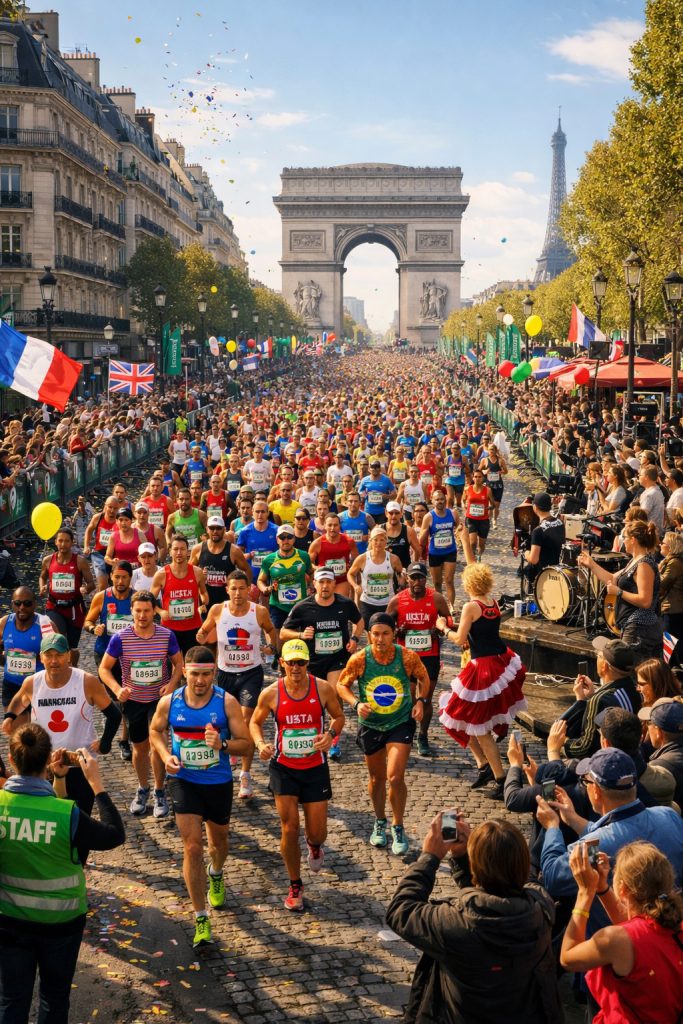
The Paris Marathon has become one of the most internationally attended races in Europe. Runners from more than 140 countries regularly participate, turning the event into a global celebration of sport, perseverance, and community.
The scale of the event also reflects Paris’s role as an international city. Volunteers, musicians, and spectators line the course, creating an atmosphere that combines athletic competition with festival-like energy.
For spectators, watching the race offers a unique perspective on the city. Historic boulevards that once carried kings, revolutions, and centuries of history now become a stage for human endurance.
A Marathon That Blends Sport and Cultural Discovery
The Paris Marathon 2026 continues a tradition that merges sport with cultural discovery. Unlike races that take place on isolated routes, this marathon places runners directly inside the living history of Paris.
From the monumental Arc de Triomphe to the riverside paths along the Seine, the race turns the city itself into part of the experience.
For many runners, crossing the finish line in Paris is not just the completion of a marathon. It is the completion of a journey through one of the world’s most iconic cities — a day when thousands of people briefly share the streets, the scenery, and the spirit of endurance that defines the marathon tradition.
Enable location to compare featured marathon landmarks with places near you.
Featured Route Stages
Loading featured route stages…
Route Summary
Loading route summary…
Champs-Élysées Start Line
Loading section overview…
Arc de Triomphe
Loading section overview…
Palais Garnier
Loading section overview…
Place de la Bastille
Loading section overview…
Bois de Vincennes
Loading section overview…
Notre-Dame Cathedral
Loading section overview…
Eiffel Tower Area
Loading section overview…
Bois de Boulogne
Loading section overview…
Avenue Foch Finish Line
Loading section overview…
From the Streets to Shared Moments
As runners move through the avenues and spectators gather along the route, each person experiences the marathon in their own way.
Some run, some cheer, some simply pause to take it all in.
These moments — whether brief or lasting — become part of the shared story of the day.
If you’re here for the Paris Marathon, you can leave a small signal of your presence — a simple way to mark how you’re experiencing this moment in the city.




Leave a Reply