

There are illnesses that arrive loudly through crowded emergency rooms, nonstop headlines, and visible public alarm. Others move more quietly through forgotten corners of ordinary life — abandoned storerooms, unused cabins, dusty garages, ceiling spaces, warehouses, and long-neglected utility rooms.
Hantavirus belongs to the second category.
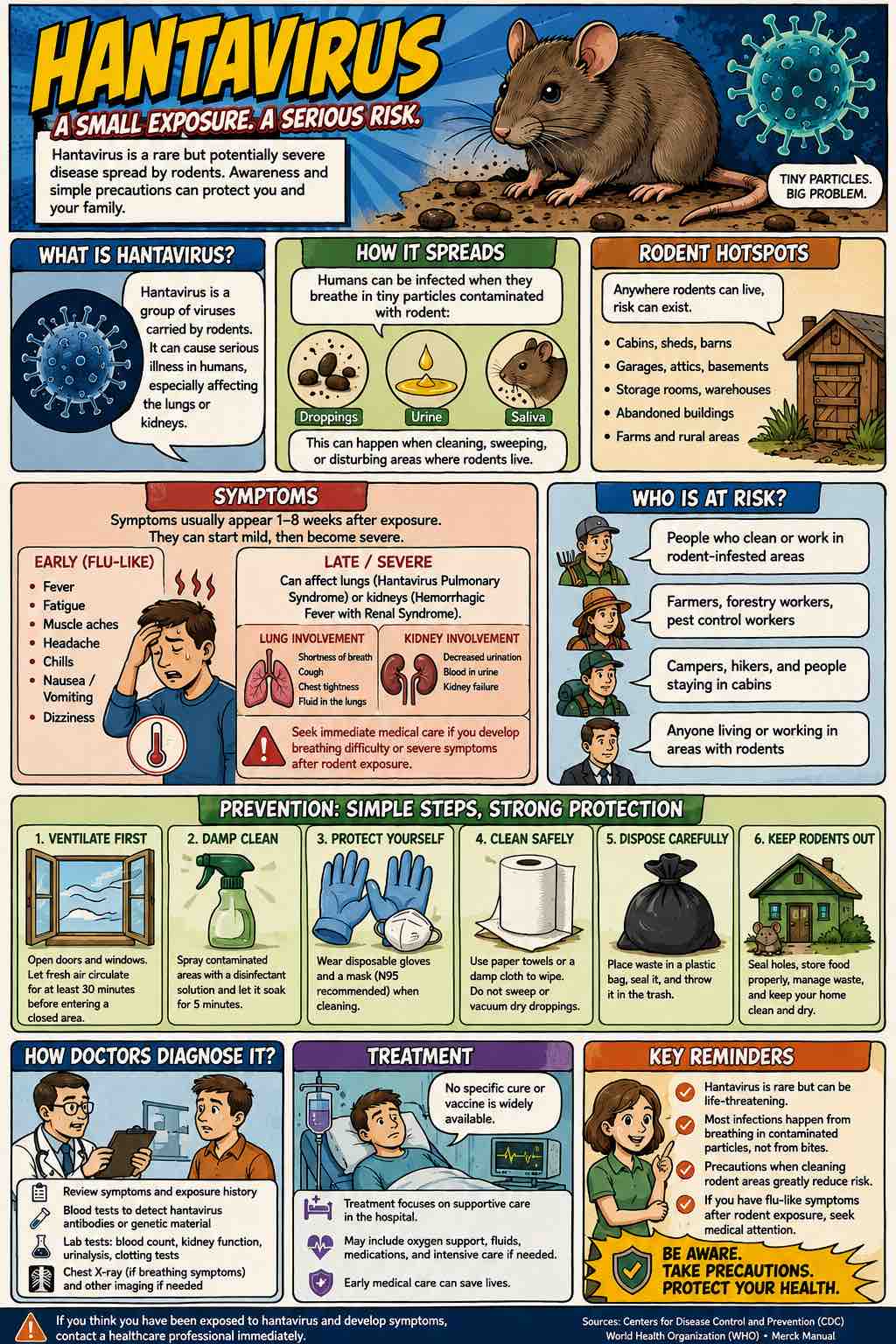
For many people, the term sounds unfamiliar, yet health agencies around the world have monitored hantavirus infections for decades because severe cases can worsen rapidly under certain conditions.
Unlike highly contagious respiratory diseases that spread easily from person to person, hantavirus infections are usually linked to environmental exposure involving contaminated rodent urine, droppings, saliva, or nesting materials.

What Is Hantavirus?
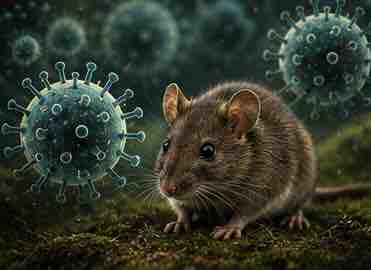
Hantavirus refers to a group of viruses primarily carried by certain rodent species. Different hantavirus strains exist in different parts of the world, and the illnesses they cause can vary geographically.
Two major syndromes are commonly associated with hantavirus infections:
- Hantavirus Pulmonary Syndrome (HPS)
- Hemorrhagic Fever with Renal Syndrome (HFRS)
Rodents carrying hantavirus often appear healthy themselves, which makes detection difficult without environmental awareness or testing.
Why Hantavirus Draws Medical Attention
Hantavirus infections are relatively uncommon compared with many widespread viral illnesses. However, severe cases receive significant medical attention because symptoms can worsen quickly once serious complications begin.
Early symptoms may resemble influenza or other common viral infections. In severe pulmonary cases, fluid accumulation inside the lungs can become life-threatening.

How Infection Usually Happens
Most cases are believed to occur through inhalation of virus-contaminated dust or aerosols released from rodent urine, droppings, saliva, or nesting materials.
When rodent waste dries out, disturbing the material may release microscopic contaminated particles into the air.
Potentially higher-risk activities include:
- sweeping dusty contaminated areas
- vacuuming rodent droppings
- handling nesting materials
- cleaning enclosed storage spaces
A Disease Linked to Human Environments
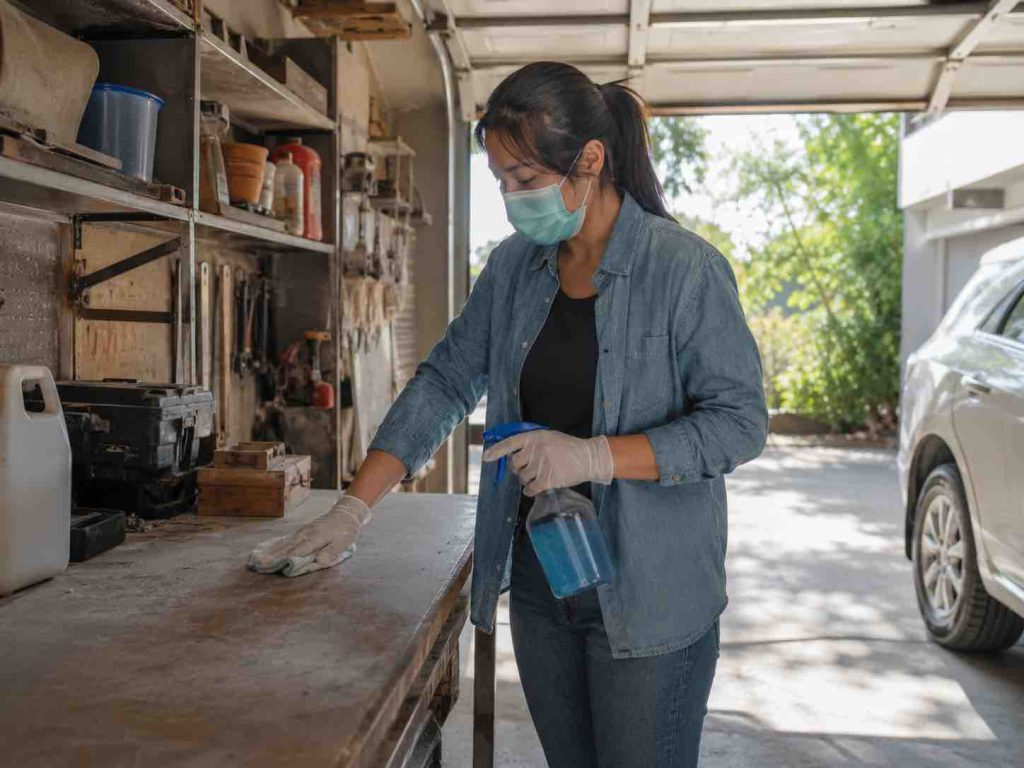
Potential exposure locations may include cabins, garages, farms, warehouses, storage facilities, construction sites, utility rooms, sheds, abandoned buildings, and poorly ventilated enclosed spaces with visible rodent activity.
This creates an important public health lesson: disease risk is not always connected to distant wilderness.

The Rodent Connection
Different hantavirus strains are associated with different rodent species around the world.
Scientists increasingly study how climate variation, urban expansion, flooding, drought, habitat disruption, food availability, and waste management may influence rodent populations and human interaction patterns.

Climate, Urbanization, and Environmental Health
Researchers have explored how heavy rainfall may increase vegetation growth that supports rodent populations, while drought conditions may push rodents toward human settlements.
Urban redevelopment and construction activities may also disturb long-established rodent habitats.

Symptoms That Should Not Be Ignored
Possible early symptoms include fever, muscle pain, fatigue, dizziness, chills, nausea, and abdominal discomfort.
As illness progresses, warning signs may include coughing, chest tightness, breathing difficulty, and shortness of breath.

Diagnosis and Medical Care
Doctors may diagnose suspected hantavirus infection through a combination of symptom assessment, exposure history, blood testing, imaging such as chest X-rays, and laboratory confirmation.
Treatment is mainly supportive and may involve oxygen support, respiratory assistance, and intensive monitoring.

Human-to-Human Transmission
For most hantavirus strains, person-to-person transmission is not considered typical.
Researchers have documented rare human-to-human transmission involving the Andes virus strain in parts of South America, but this remains an exception rather than the general pattern.

Why Proper Cleaning Methods Matter
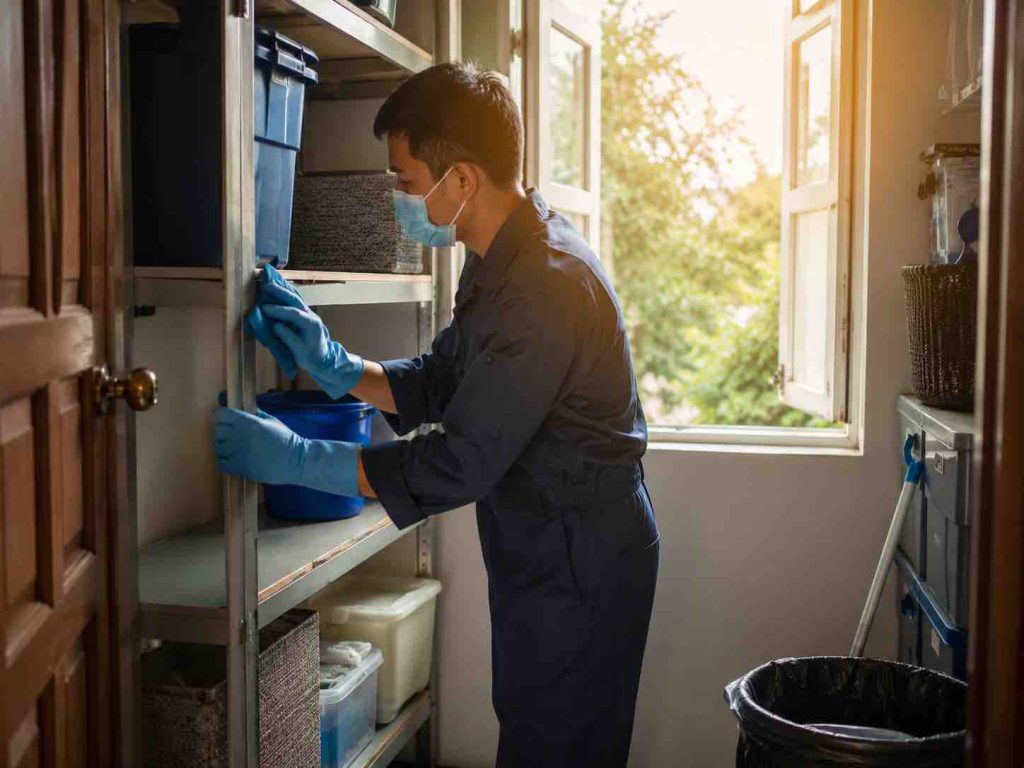
Health agencies commonly recommend opening windows and doors first, allowing fresh air circulation, wearing gloves, spraying contaminated areas with disinfectant, and using damp-cleaning methods instead of aggressive sweeping.
Prevention is often safer and easier than treatment after exposure occurs.

Travel, Cabins, and Outdoor Tourism
As outdoor tourism and nature travel continue growing worldwide, more people spend time in campsites, cabins, forests, mountain lodges, and rural retreats.
Travelers can reduce exposure risk by ventilating unused spaces, inspecting sleeping areas carefully, and cleaning contaminated areas cautiously.

Final Thoughts
Hantavirus remains medically significant not because it is among the world’s most widespread illnesses, but because severe infections can escalate rapidly and exposure may occur unexpectedly.
The broader lesson is ultimately one of awareness rather than fear. Cleanliness, ventilation, maintenance, sanitation, and environmental awareness remain among the most practical forms of prevention available.
Medical & Educational Disclaimer
This article is intended for general educational and public awareness purposes only. It does not provide medical advice, diagnosis, treatment, or emergency guidance.
Anyone experiencing symptoms such as fever, severe fatigue, chest tightness, shortness of breath, or breathing difficulty — especially after possible exposure to rodent-infested or contaminated environments — should seek prompt medical attention and inform healthcare providers about any recent environmental or rodent exposure.




Leave a Reply