Champs-Élysées Start Line: Where the Paris Marathon Journey Begins
Support Us! Introduction Every spring, the wide and elegant avenue of the Champs-Élysées transforms into one of the most exciting starting points...
Read MoreNot your neighborhood? Click here to explore others or signin

Explore Paris – 8th arrondissement - The Grand Boulevard / Landmark Neighbourhood →
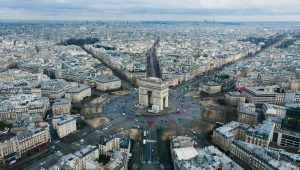
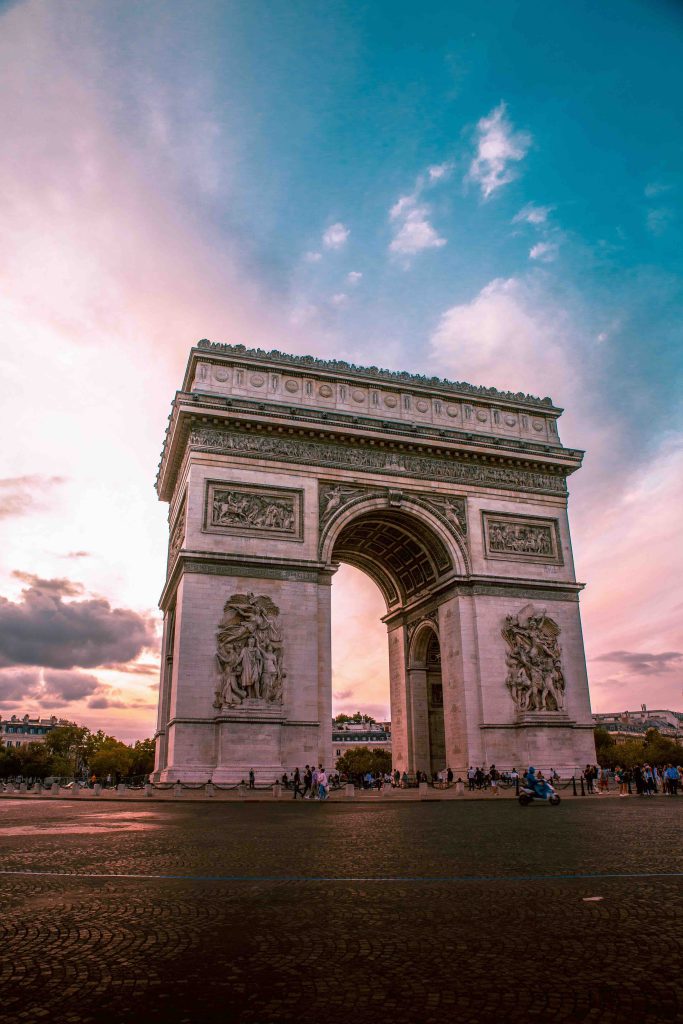
At the western end of the famous Champs-Élysées, standing proudly in the center of the vast Place Charles de Gaulle, rises one of the most recognizable monuments in the world — the Arc de Triomphe. Towering above the bustling avenues that radiate outward like a star, the monument is not only a landmark of Paris but also a powerful symbol of French history, sacrifice, and national identity.
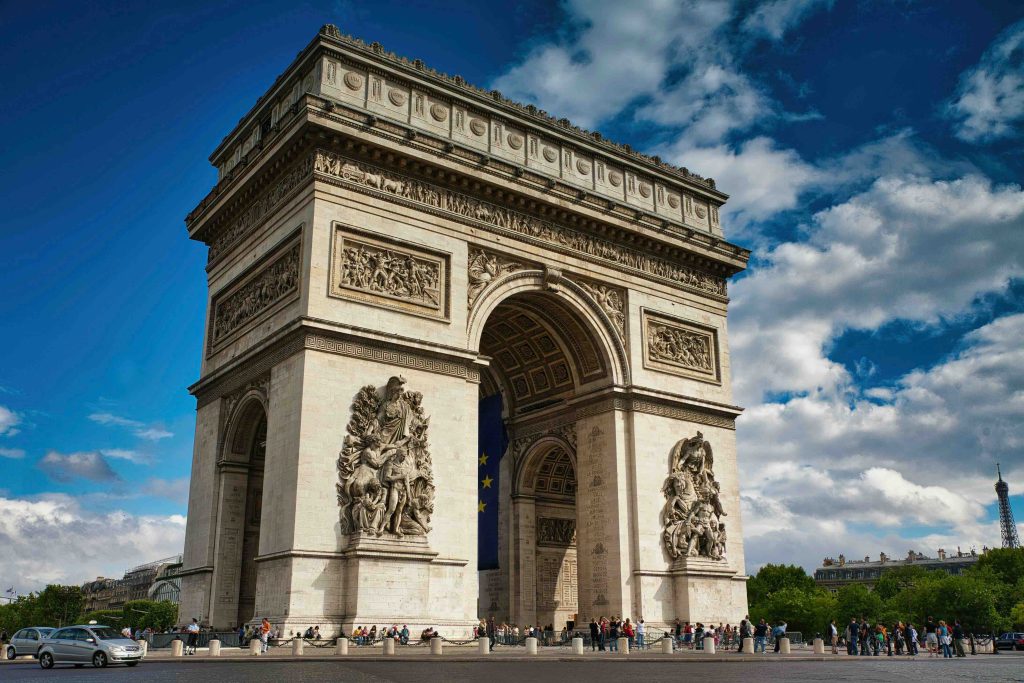
The Arc de Triomphe was commissioned by Napoleon Bonaparte in 1806 after his victory at the Battle of Austerlitz. He envisioned a grand monument that would celebrate the strength and achievements of the French army. Inspired by the triumphal arches of ancient Rome, the design reflects a classical style meant to honor victorious soldiers returning home from battle. Construction took decades to complete, and the monument was finally finished in 1836 during the reign of King Louis-Philippe.
Standing approximately 50 meters tall and 45 meters wide, the Arc de Triomphe dominates the skyline of western Paris. It sits at the center of a massive circular plaza where twelve major avenues converge, forming one of the busiest traffic circles in Europe. From above, the roads radiate outward like a star, giving the square its former name, Place de l’Étoile.
Visitors are often struck by the extraordinary details carved into the monument’s stone surfaces. Four large sculptural groups decorate the pillars, each depicting dramatic scenes from French history. One of the most famous is “La Marseillaise,” a powerful relief sculpture showing volunteers rallying to defend the nation during the French Revolution. The figures convey movement, emotion, and a deep sense of national spirit.
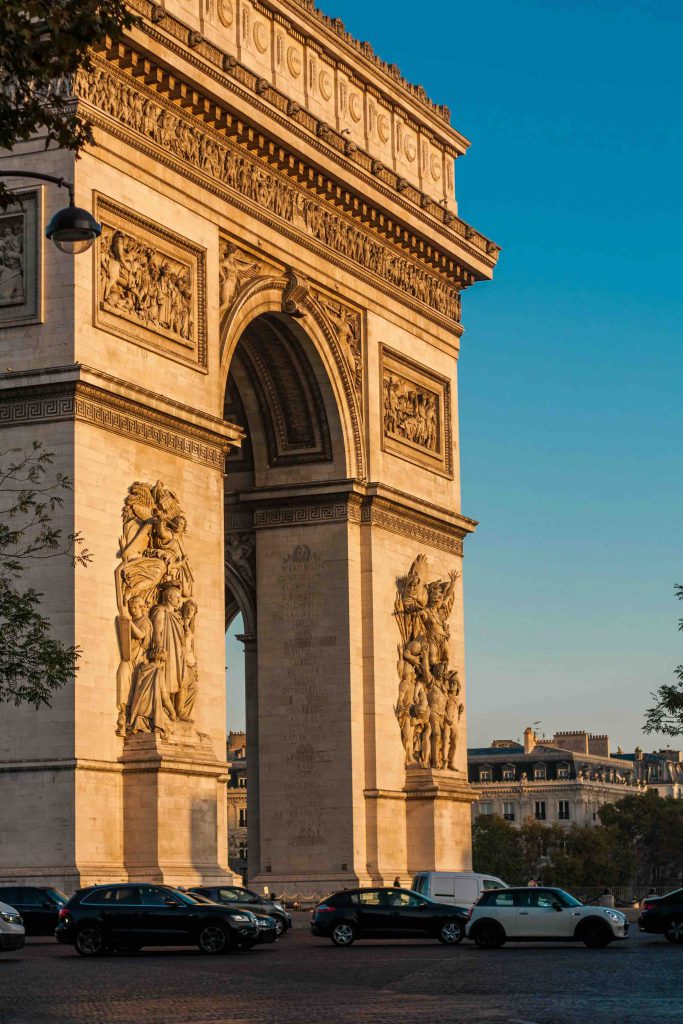
Beneath the arch lies one of the most solemn sites in France — the Tomb of the Unknown Soldier from World War I. Installed in 1921, it honors the countless soldiers who died during the war but were never identified. An eternal flame burns continuously beside the grave, rekindled each evening in a moving ceremony. This quiet space offers a moment of reflection amid the energy of the surrounding city.
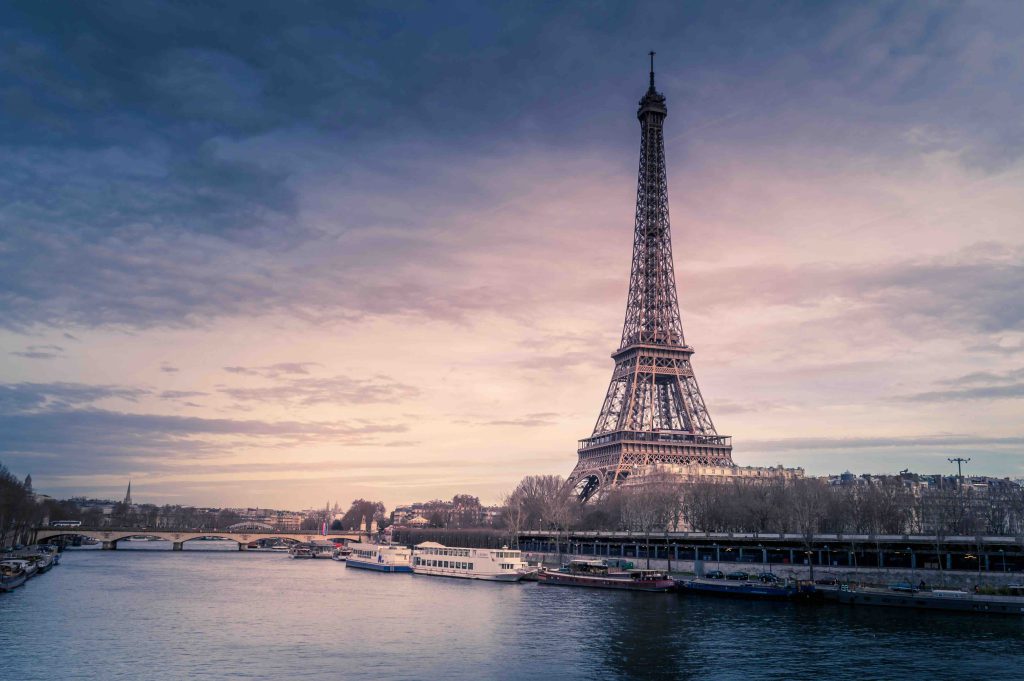
Climbing to the top of the Arc de Triomphe rewards visitors with breathtaking views. From the observation terrace, the grand axis of Paris becomes visible. The Champs-Élysées stretches toward Place de la Concorde, while landmarks such as the Eiffel Tower appear in the distance. On clear days, the view reveals the city’s remarkable layout and architectural harmony.
The monument plays a central role in national events and celebrations. During Bastille Day, military parades pass beneath the arch in a display of national pride. Major sporting events, including the final stage of the Tour de France, also conclude nearby, turning the area into a vibrant celebration space.
Today, the Arc de Triomphe stands as more than a monument to military victories. It represents resilience, remembrance, and unity. As millions gather each year to admire its structure and significance, it remains a powerful symbol of France’s past and its enduring cultural identity.
Booking is not available for this GoXpot.
❓ Require more info? Search directly on web here!
Discover places by energy, mood, and real-world character.
This start line feels part of Paris identity