Celebrating Lunar New Year: Traditions and Modern Twists
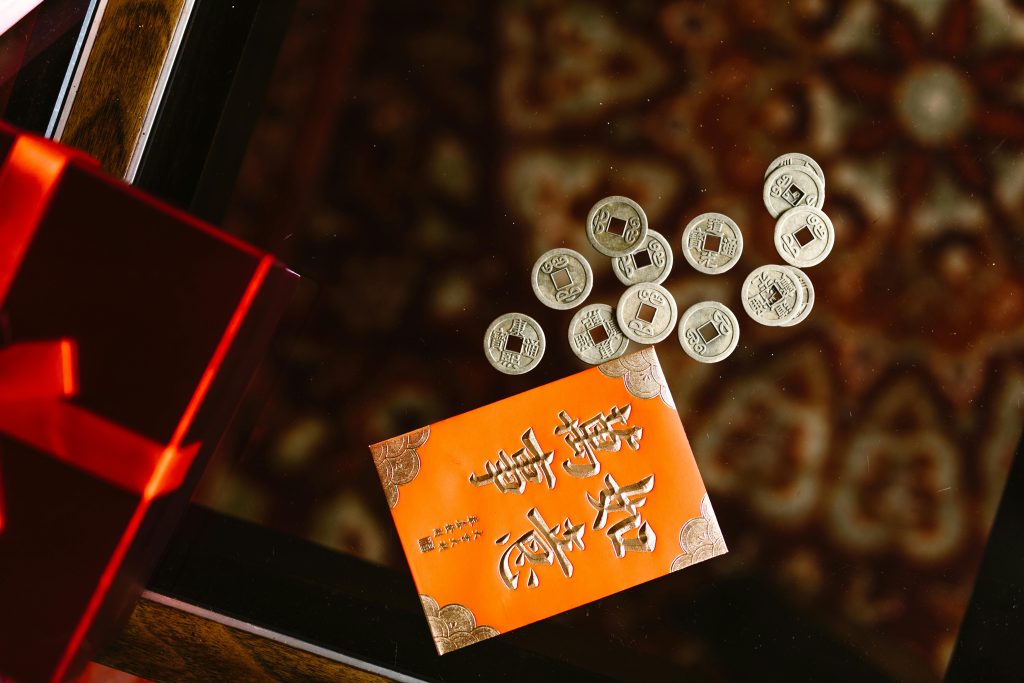
Lunar New Year, also known as Lunar New Year or Spring Festival, is a vibrant and deeply significant celebration that marks the beginning of the lunar new year in Chinese culture. This festival is rich in traditions and customs, with celebrations varying widely across different regions. However, as the world becomes more digitally connected, modern twists are reshaping how these age-old traditions are observed. In this blog post, we’ll explore the cultural significance of Lunar New Year, highlight traditional practices and regional variations, and examine how modern technology is influencing the festivities.
The Cultural Significance of Lunar New Year
Lunar New Year is not just a time for festive celebration but also a period for honoring household and heavenly deities, as well as ancestors. It is a time for families to come together, often traveling long distances to reunite in their ancestral homes. This festival is steeped in symbols and traditions meant to bring good luck, good health, and prosperity for the coming year.
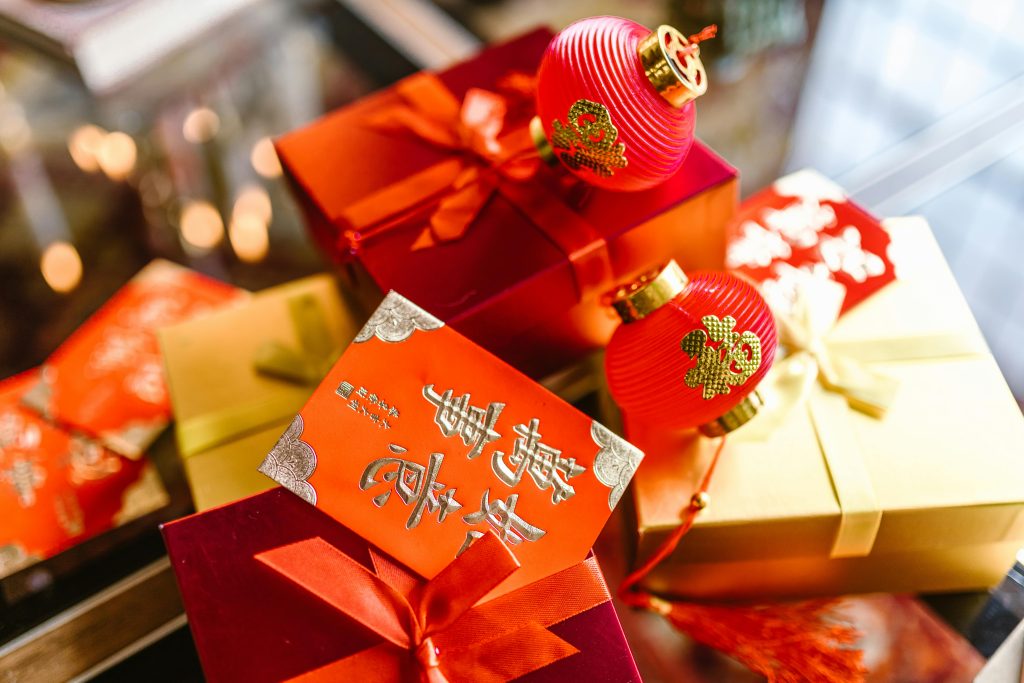
One of the core symbols of Lunar New Year is the color red, which is considered auspicious and is thought to ward off evil spirits. Homes are decorated with red lanterns, banners, and intricate paper cuttings. Fireworks and firecrackers are another ubiquitous element, traditionally used to scare away the mythical beast Nian, who was said to emerge around the new year.
Traditional Practices and Regional Variations
Traditional practices during Lunar New Year include the thorough cleaning of homes to sweep away bad fortune and make way for incoming good luck—a practice known as “sweeping the dust.” The reunion dinner, held on the eve of Lunar New Year, is another pivotal element of the celebration. This meal is often sumptuous, featuring dishes like fish (symbolizing abundance) and dumplings (shaped like ancient Chinese money, symbolizing wealth).
Different regions in China and across the world where the diaspora has settled have their unique takes on these traditions. In Northern China, dumplings are the mainstay of the New Year’s Eve dinner, while in the South, it might be more common to see glutinous rice cakes, or ‘nian gao’. The Lantern Festival, which marks the end of the New Year celebrations, is celebrated with beautiful lantern displays and often, lion and dragon dances.
Modern Twists: Digital Innovations and Virtual Celebrations
In recent years, technology has started playing a pivotal role in how Lunar New Year is celebrated. Digital red envelopes, or ‘hongbao’, have become increasingly popular, especially among the younger generation. Platforms like WeChat allow users to send money digitally to friends and family, which not only provides convenience but also encourages social interaction through games and animations associated with these digital gifts.
Virtual gatherings have also become common, particularly as travel restrictions or distant living situations make it challenging for families to physically gather. Video calls and online meeting platforms now host virtual reunion dinners, enabling family members across the globe to share the joyous occasion together, despite physical distances.
Additionally, online platforms are utilized to stream live celebrations and performances, making it possible for more people to participate in festivities they otherwise might not be able to attend. This digital shift not only keeps traditional practices alive but also ensures that the celebrations are inclusive and adaptable to contemporary lifestyles.
While the essence of Lunar New Year remains rooted in its rich historical traditions, the modern twists brought about by technology are ensuring that these traditions evolve and continue to be a part of the lives of the younger, more digitally-savvy generation. Whether through digital red envelopes or virtual gatherings, the spirit of the Spring Festival remains strong, bridging the old with the new and keeping the culture vibrantly alive in the hearts of millions around the world. As we move forward, it will be fascinating to see how these traditions continue to morph and adapt, bringing even more people into the fold of this extraordinary cultural celebration.
Yet, amidst these changes, there’s a beautiful balance between preservation and innovation. Here’s a deeper dive into how these elements are blending and what we might expect in the coming years.
Blending Tradition with Technology
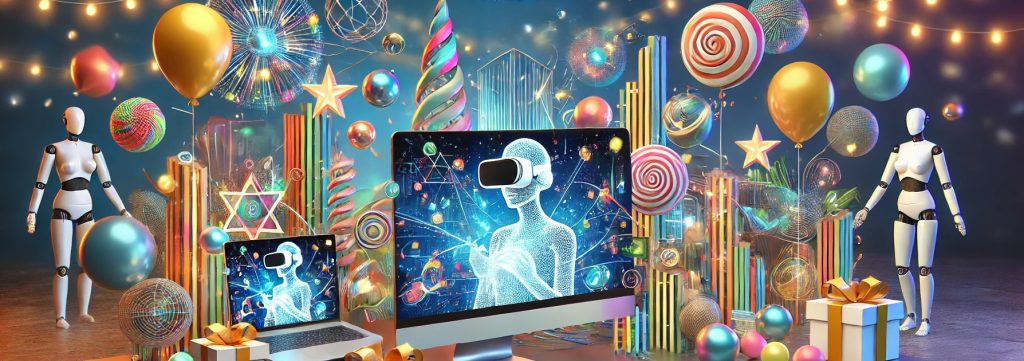
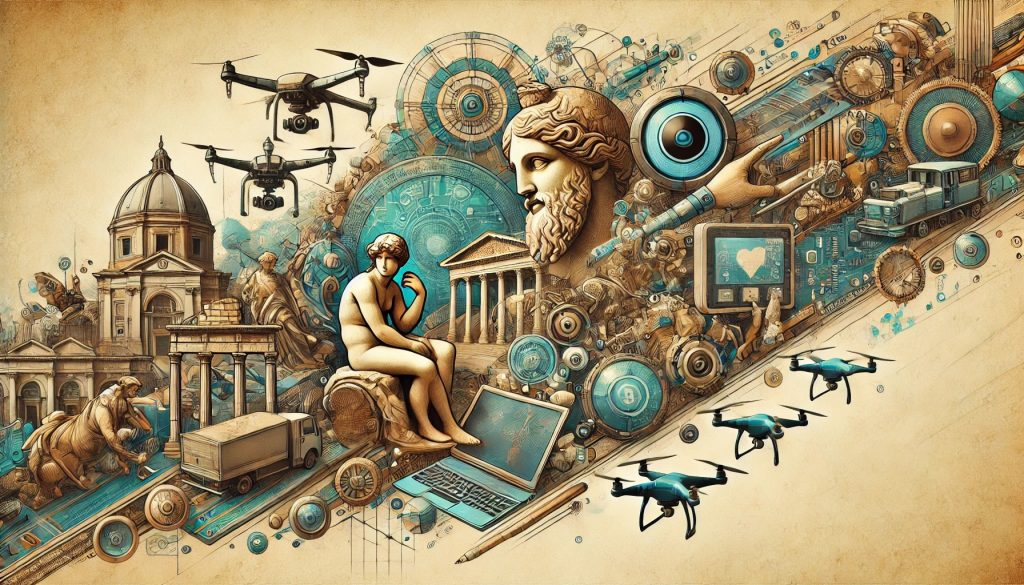
One of the most significant impacts of technology on Lunar New Year has been its ability to enhance and preserve cultural heritage. For example, augmented reality (AR) apps now allow users to bring traditional dragon dances into their living rooms, offering an interactive experience that educates and entertains. Museums and cultural organizations are also utilizing virtual reality (VR) to provide immersive experiences of the festival, from the streets of Beijing’s historic hutongs to the bustling markets of Hong Kong.
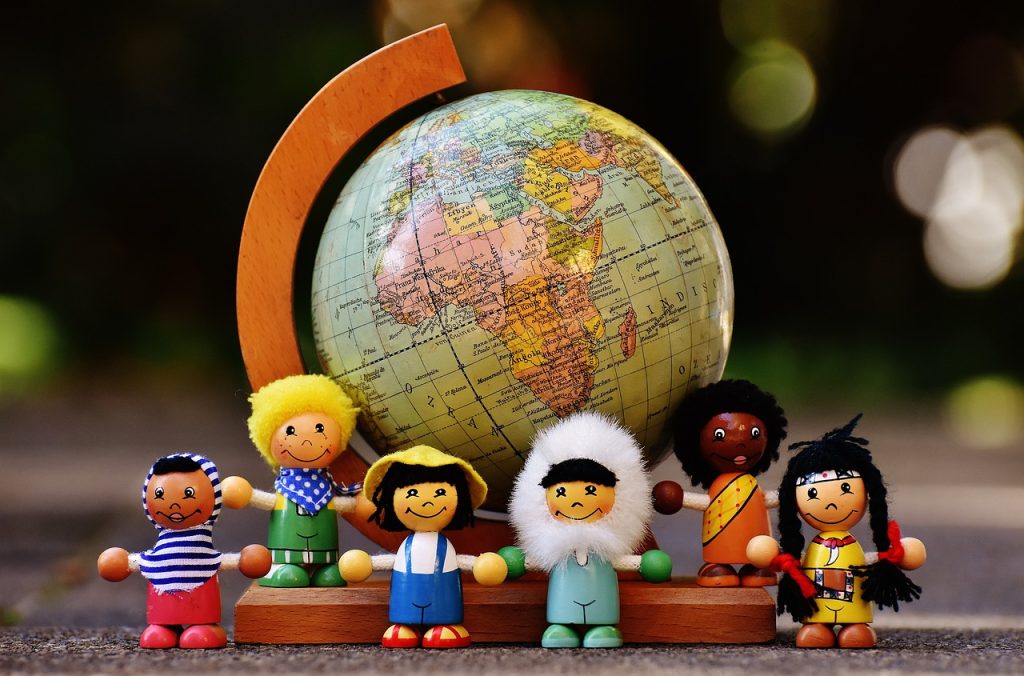
Furthermore, social media platforms have become a canvas for sharing moments of celebration. People post updates, photos, and videos that not only highlight their own festivities but also foster a greater appreciation of the diverse ways Lunar New Year is celebrated around the world. This sharing across borders and cultures has brought a global dimension to the festival, allowing it to reach people who may not have direct cultural ties to the event but are curious and eager to participate in some way.
Sustainability and the Future Celebrations
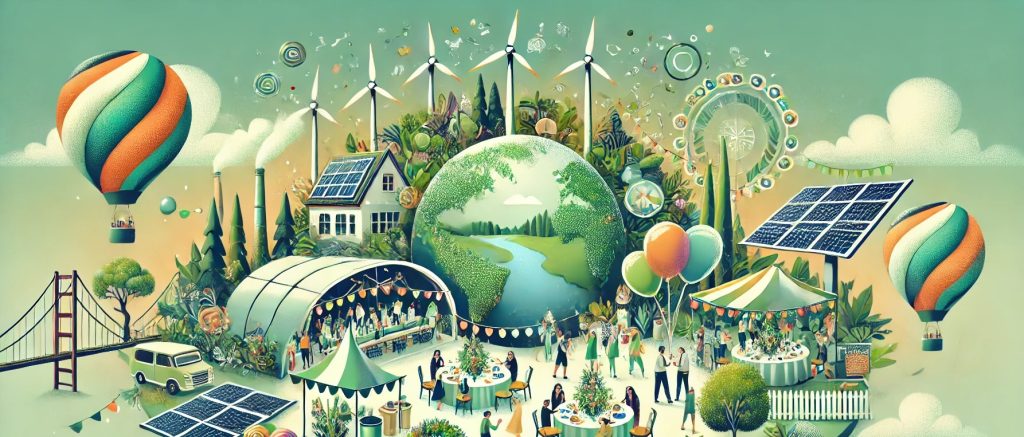
As we embrace technology, there’s also a growing awareness of the need for sustainability in how we celebrate. The environmental impact of traditional practices—such as the heavy use of fireworks and the mass release of lanterns—is prompting a reevaluation of how these elements can be incorporated in eco-friendlier ways. Digital fireworks and LED lanterns are becoming popular alternatives, providing the festive atmosphere without the ecological footprint.
The push towards digital red envelopes not only reduces the need for paper but also aligns with the global trend towards cashless transactions. This shift not only helps in reducing waste but also enhances security and convenience, ensuring that the tradition adapts to modern financial habits.
Community and Inclusivity
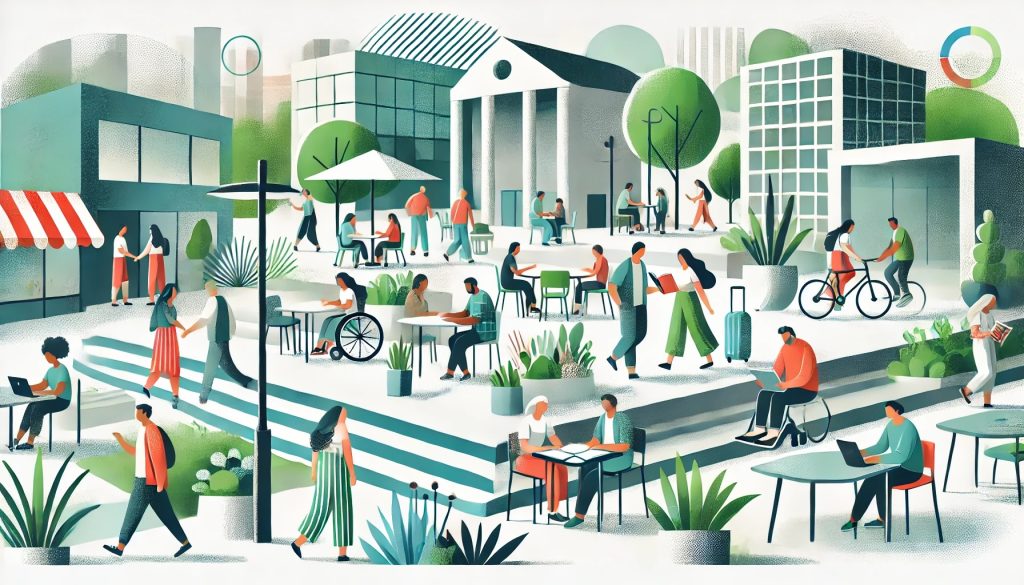
Lunar New Year is fundamentally about community, and modern technology is playing a crucial role in redefining what that community looks like. Virtual platforms are breaking down geographical barriers, enabling people from different backgrounds to partake in the festivities. For instance, schools around the world can now connect with counterparts in China to experience the celebrations live, promoting a greater understanding and appreciation of the culture among young students.
Moreover, these platforms are making the festival more inclusive for those who may be physically unable to participate in more traditional, community-centered events. Elderly relatives or those living abroad can now be an integral part of the celebrations, ensuring that no one is left out due to physical or logistical constraints.
Looking Ahead
As Lunar New Year continues to evolve, it serves as a vibrant example of how traditions can adapt to the modern world without losing their essence. The integration of technology not only keeps these customs relevant but also ensures they are preserved for future generations in new and engaging ways.
As we celebrate, it’s important to reflect on how we can all contribute to the preservation of such a rich cultural heritage, ensuring it thrives in an increasingly digital future. Whether through participating in digital celebrations, opting for sustainable practices, or simply learning more about the traditions, each action helps in keeping this wonderful festival alive and vibrant. As we move forward, the spirit of Lunar New Year is sure to remain a beacon of culture, community, and renewal.