
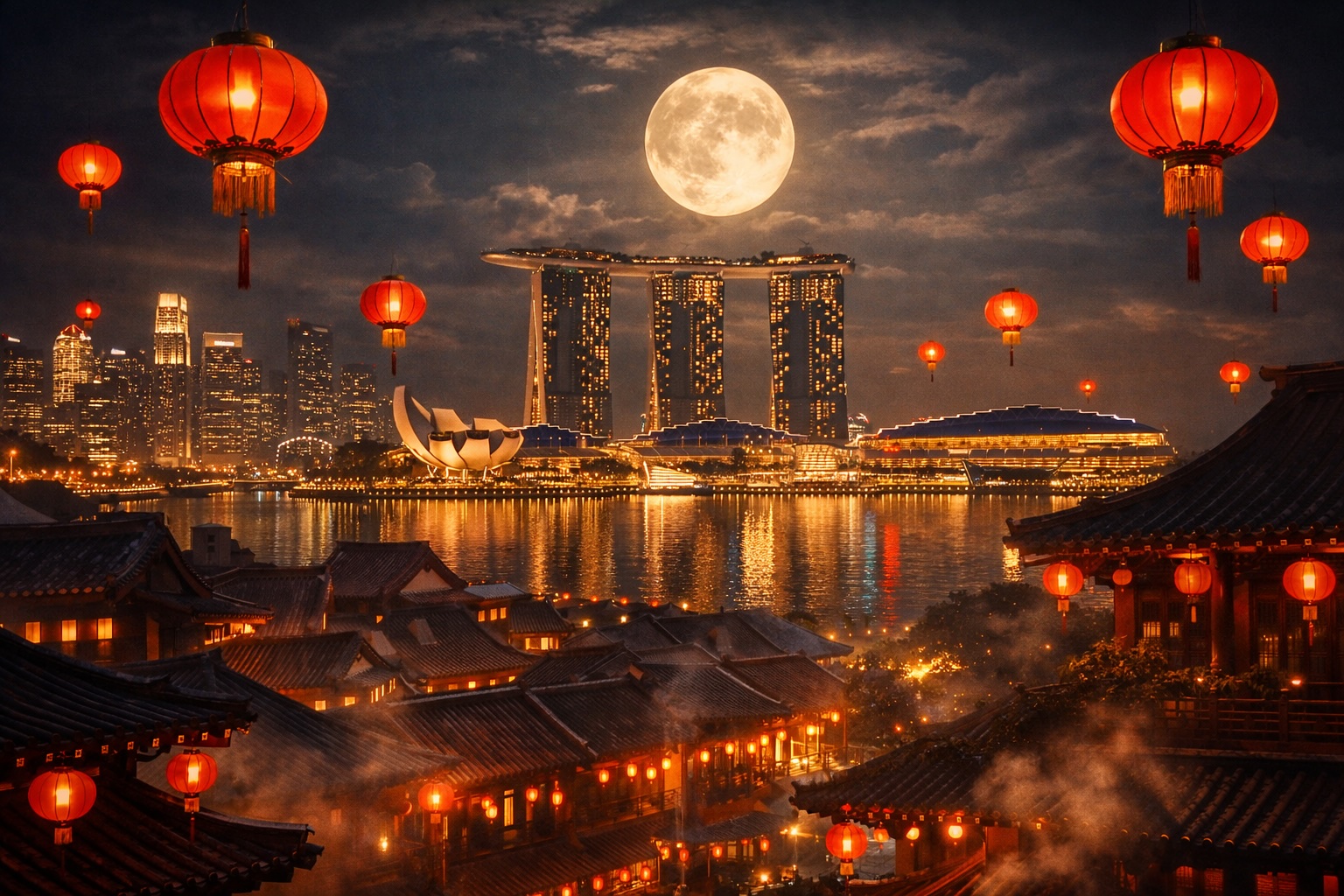
🎥 元宵节习俗 |The Lantern Festival|What do people do on Lantern Festival?
( credit – https://youtu.be/5707ZhvuXEA?si=K0rbQRFN-mJPiSvJ)
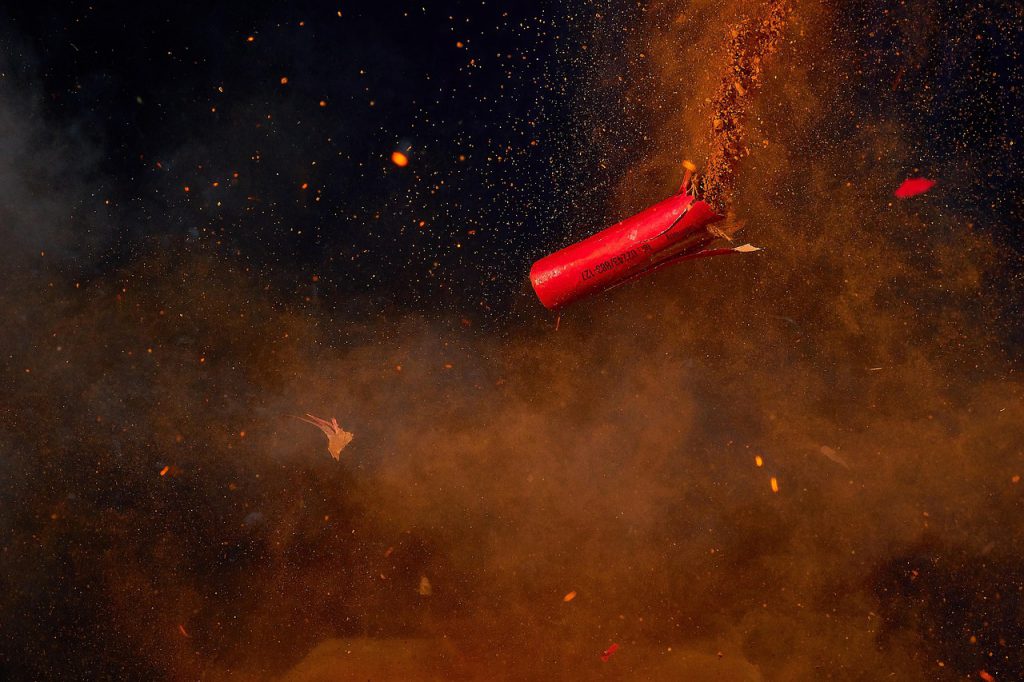
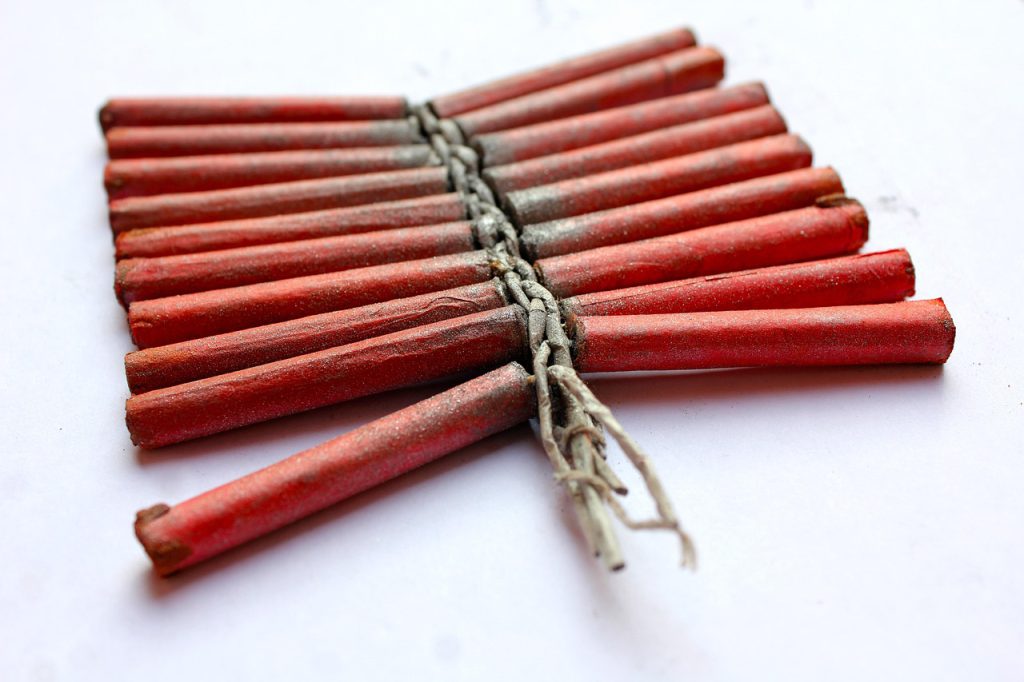
Chinese New Year does not conclude with the last firecracker or the final red packet handed across a reunion table. It stretches across fifteen days — a slow unfolding of renewal, reconciliation, gratitude, and hope.
And then, on the fifteenth night of the first lunar month, it culminates in light.
This night is known in Hokkien as Chap Goh Meh (十五暝) — literally, “the fifteenth night.” In Mandarin, it is called the Yuanxiao Festival (元宵节). In English, it is often referred to as the Lantern Festival.
Yet beyond translation, Chap Goh Meh is something deeper:
It is the moment the Lunar New Year cycle completes itself.
Under the first full moon of the year, families gather once more. Lanterns glow. Tangyuan is served. Prayers are offered. Decorations begin to come down. The festive noise softens into reflection.
In Singapore, across Asia, and throughout Chinese communities around the world, Chap Goh Meh marks not just an ending — but alignment.
🌕 The Symbolism of the Full Moon
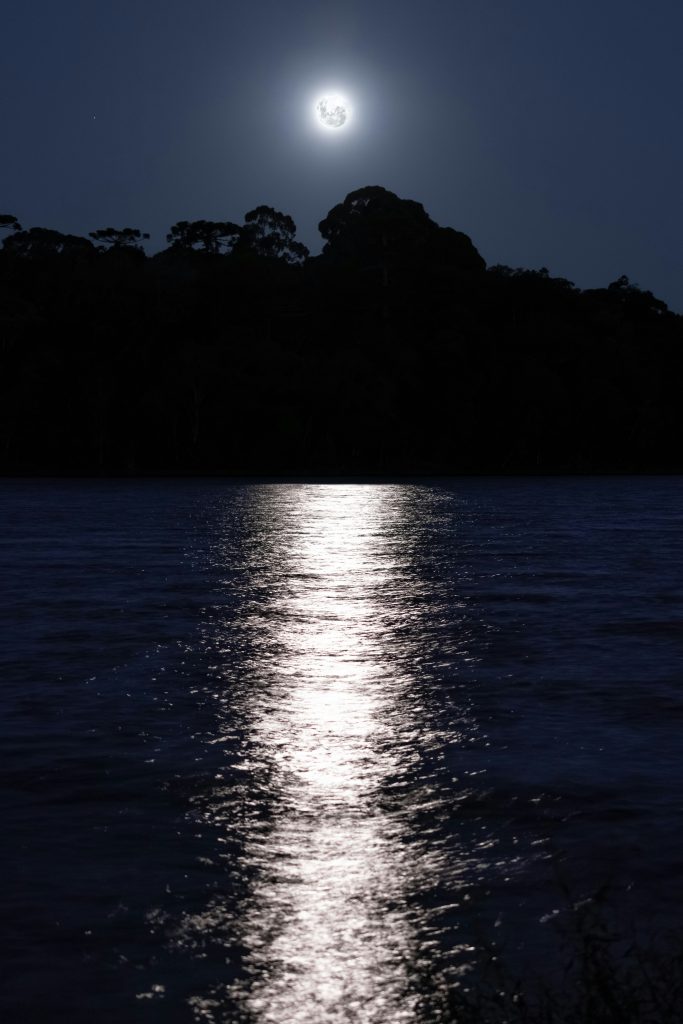
The timing of Chap Goh Meh is intentional. It coincides with the first full moon of the lunar calendar year.
In Chinese cosmology and cultural symbolism, the full moon represents:
- Completeness
- Reunion
- Balance
- Harmony
The roundness of the moon mirrors the round dining tables of reunion dinners, the circular tangyuan dessert, and the cyclical philosophy embedded in Chinese tradition — that endings are inseparable from beginnings.
If Day 1 of Lunar New Year is about opening doors to possibility, Day 15 is about sealing those intentions with clarity.
The moon that rises on Chap Goh Meh is not merely astronomical. It is metaphorical.
It reminds communities that life moves in cycles — growth, celebration, completion, renewal.
Location access required. We’ll load your featured neighbourhoods.
⏳ Chingay 2026 — What’s Coming Up
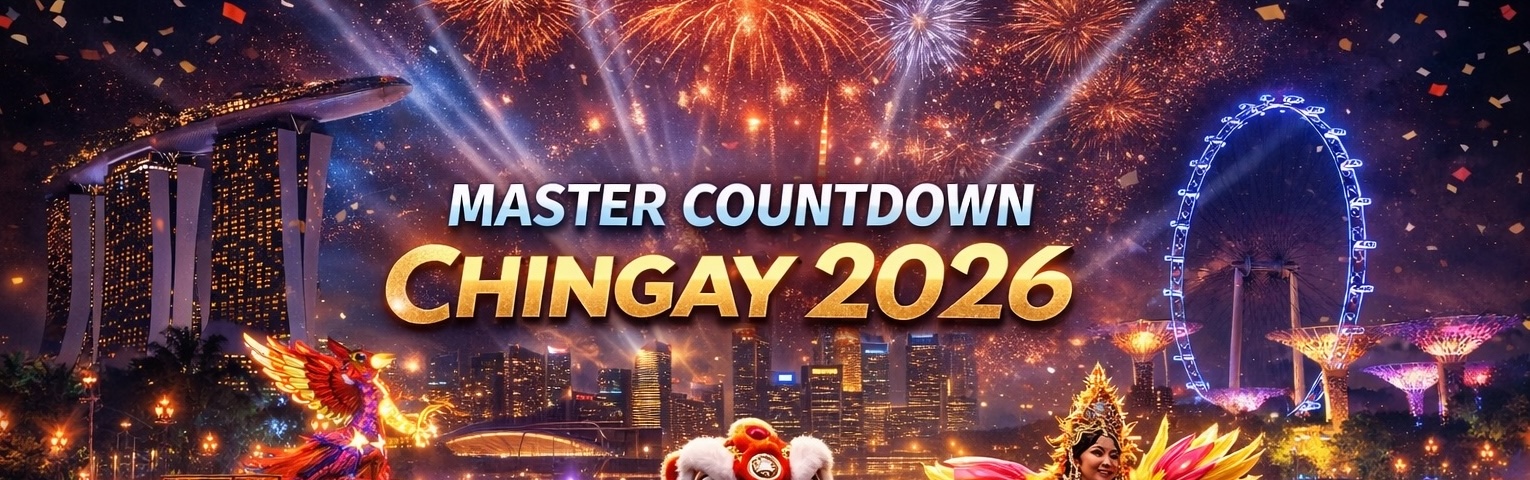
Tip: Video preview adjusts automatically based on availability.
2026 Heartlands Schedule – Changi Simei CC to field across Bayshore Avenue (4 pm – 10 pm)
⭐ Tap “Enable Location” to see what’s near you too.
7 March (Sat) — Simei (Changi Simei CC → Field across Bayshore Avenue)
Set in the eastern estate of Simei, part of the larger Tampines planning area, this stop brings Chingay to a peaceful residential neighbourhood known for its family-friendly environment and close-knit community.
Surrounded by parks, schools, and vibrant local amenities, Simei provides a warm and welcoming atmosphere for families to gather and celebrate together.
Privacy-enhanced
Your exact location isn’t shown — we only use it to estimate distance and show nearby GoXpots.
2026 Heartlands Schedule – Bukit Batok East Ave 5 near Blk 236 to Clementi Ave 1(5 pm – 10 pm)
Did You Know? Chingay began in 1973. It was first introduced after firecrackers were banned in Singapore, turning tradition into a creative spectacle.
14 March (Sat) — Bukit Batok (Bukit Batok East Ave 5 → Clementi Ave 1)
In the heart of Singapore’s western region, Bukit Batok blends nature and community living. With its iconic parks and strong neighbourhood identity, this route connects residential streets with bustling town centres.
The parade here symbolises resilience, unity, and the strong bonds built within west-side communities.
Privacy-enhanced
Your exact location isn’t shown — we only use it to estimate distance and show nearby GoXpots.
2026 Heartlands Schedule – Woodlands CC & Woodlands Ave 2 to field in front of Blk 108A Canberra Walk(5:45 pm – 9:30 pm)
Did You Know? Over 3,000 performers take part. From dancers to float engineers, thousands contribute to the show each year.
15 March (Sun) — Woodlands (Woodlands CC → Canberra Walk)
Located in Singapore’s northern region, Woodlands is a dynamic town known for its growing infrastructure and vibrant residential clusters. Beginning at Woodlands Community Club and moving toward Canberra Walk, this celebration highlights the evolving identity of the North — youthful, energetic, and forward-looking.
Privacy-enhanced
Your exact location isn’t shown — we only use it to estimate distance and show nearby GoXpots.
2026 Heartlands Schedule – Punggol Field Walk to Sentul Walk, Punggol Digital District Boulevard Plaza (6:30 pm – 10 pm)
Did You Know? The word “Chingay” means masquerade. It comes from the Hokkien phrase referring to the art of costume and performance.
29 March (Sun) — Punggol (Punggol Field Walk → Punggol Digital District)
Representing the North-East, Punggol showcases modern waterfront living and innovative urban planning. As one of Singapore’s newest towns, it symbolises aspiration and progress.
The parade’s journey toward the Punggol Digital District reflects the nation’s future — blending tradition, technology, and community spirit.
Privacy-enhanced
Chingay 2026 — “WISH” (Live Parade Nights)
Did You Know? It’s not just Chinese New Year anymore. Chingay has evolved into a fully multicultural celebration representing Singapore’s diverse communities.
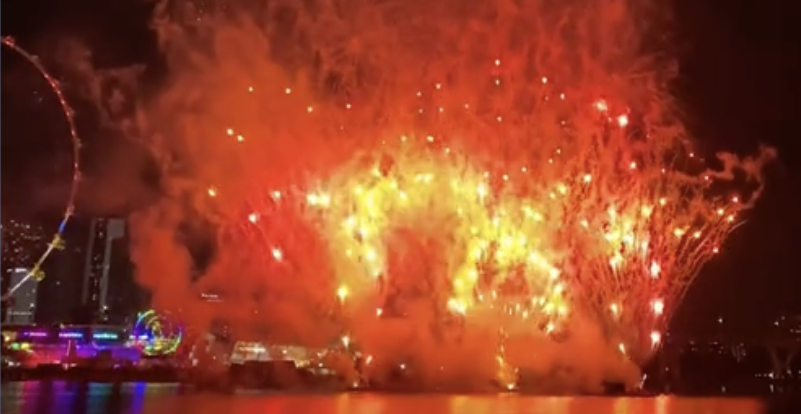
Chingay 2026 — “WISH” returns to the F1 Pit Building as Singapore’s largest street spectacle, uniting thousands of performers, community groups, and creative teams in a dazzling celebration of culture and imagination.
Since its beginnings in 1973, Chingay has evolved into a national icon — a showcase of Singapore’s multicultural spirit, artistic innovation, and collective energy. Each edition brings together over 3,000 performers and more than 100 organisations, transforming Marina Bay into a living stage.
The 2026 theme, “WISH”, reflects hope, aspiration, and shared dreams. Through illuminated floats, synchronised choreography, large-scale visual effects, and immersive storytelling, the parade invites every spectator to believe in possibilities.
More than a performance, Chingay is a city-wide experience — a moment where communities move together, celebrate together, and create memories that stretch far beyond the parade night itself.
Privacy-enhanced
Your exact location isn’t shown — we only use it to estimate distance and show nearby GoXpots.
🏮 The Origins: From Imperial Ritual to Public Festival
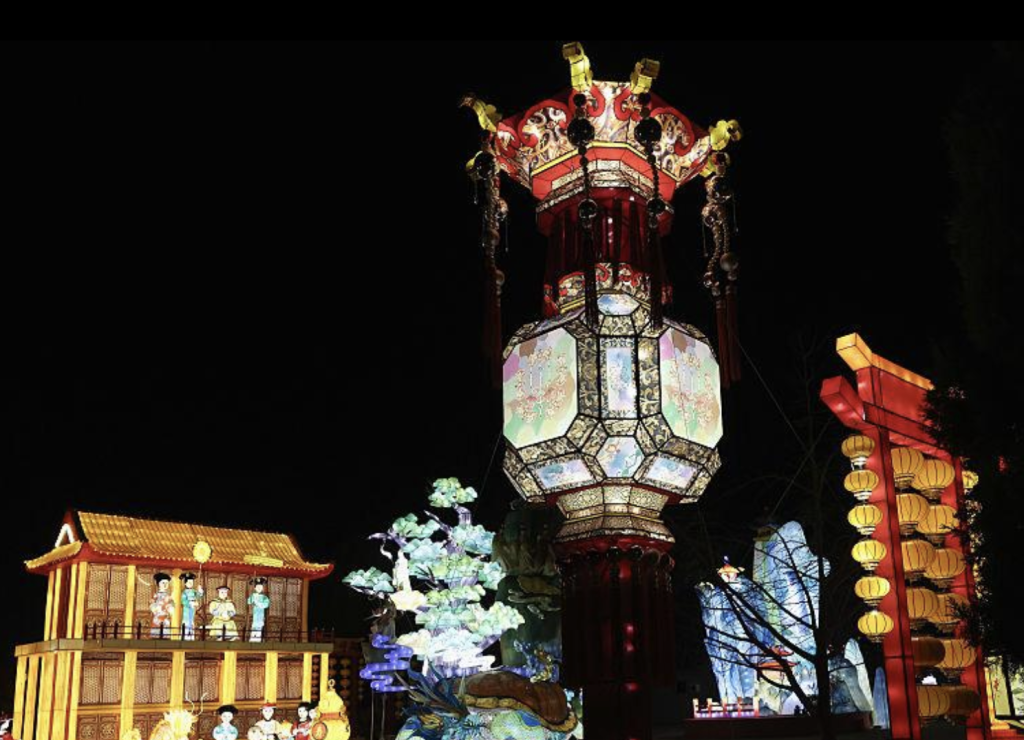
The Lantern Festival traces its roots back more than 2,000 years, to the Han Dynasty.
Historical records suggest that lantern lighting was first institutionalized as a religious and court ritual. Emperors ordered palaces and temples illuminated to honor heavenly deities and pray for favorable weather and prosperity.
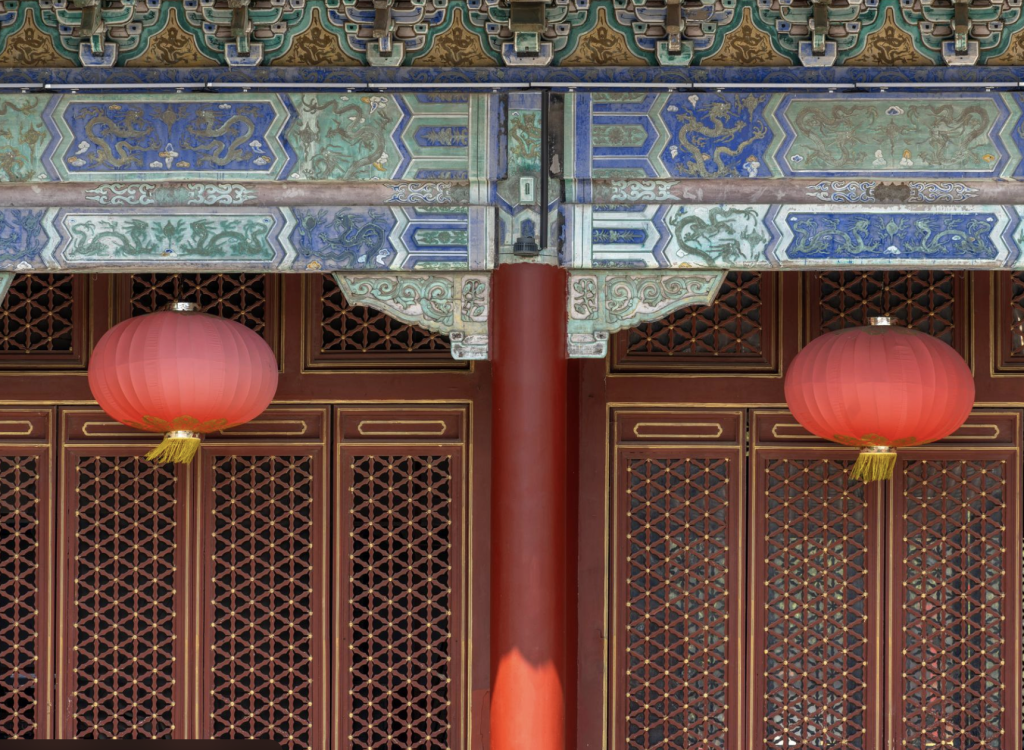
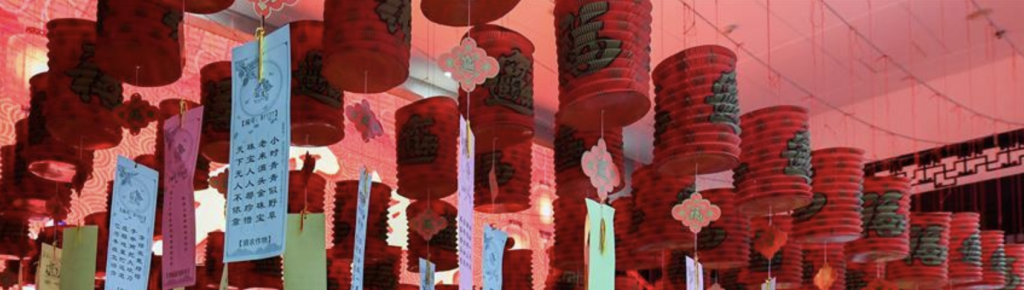
Over centuries, the ritual evolved into a public celebration. Lantern fairs emerged. Poets composed verses beneath glowing lights. Musicians performed. Riddle games were attached to lanterns, challenging passersby to test their wit.
What began as sacred ritual became communal spectacle.
Yet the core symbolism never disappeared:
Light pushes back darkness.
Illumination brings clarity.
Community dispels isolation.
🇸🇬 Chap Goh Meh in Singapore
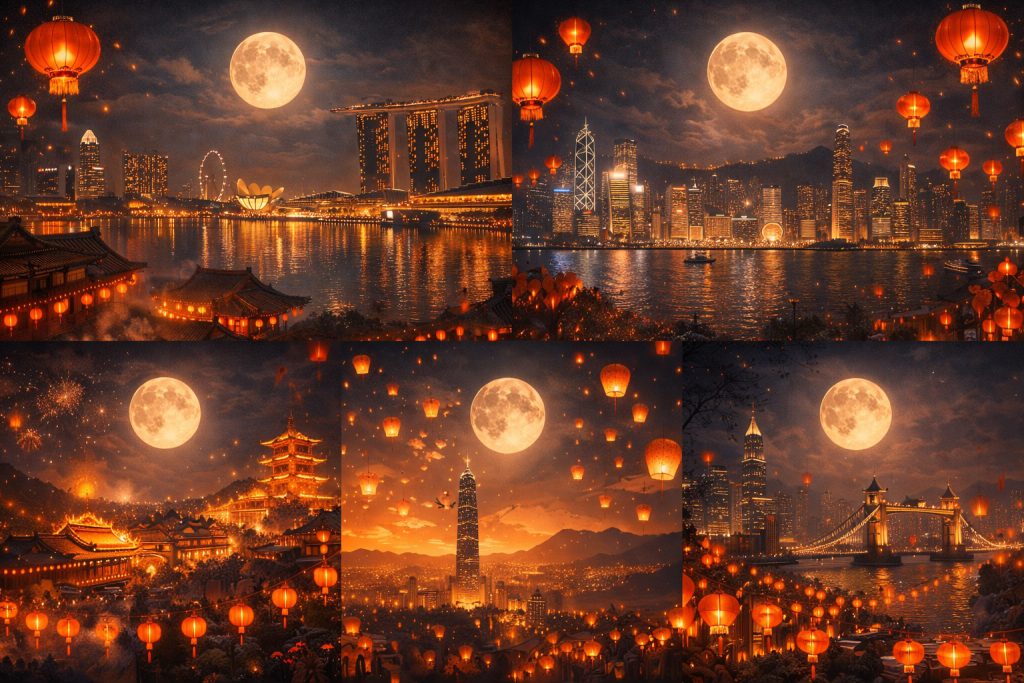
In Singapore, Chap Goh Meh carries a tone that is both celebratory and composed.
It often coincides with the final evenings of:
- River Hongbao
- Chinatown festive light-ups
- Temple observances in historic districts
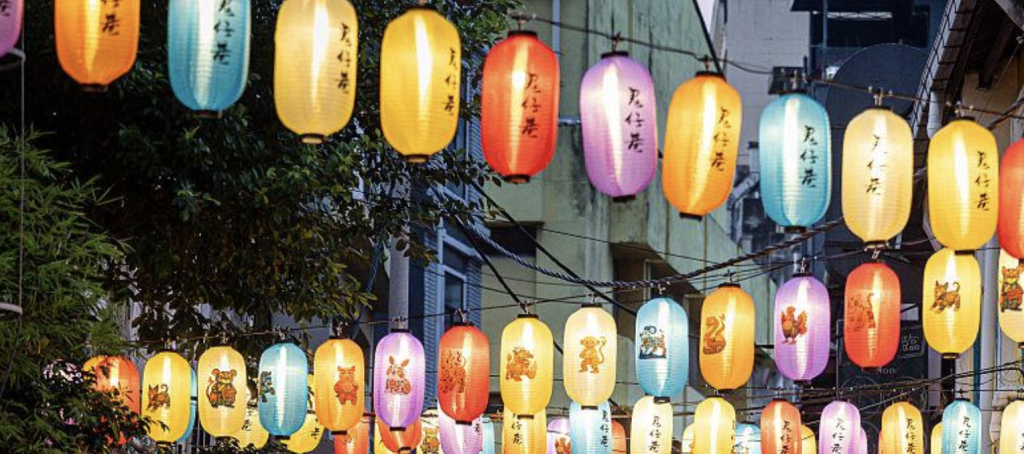
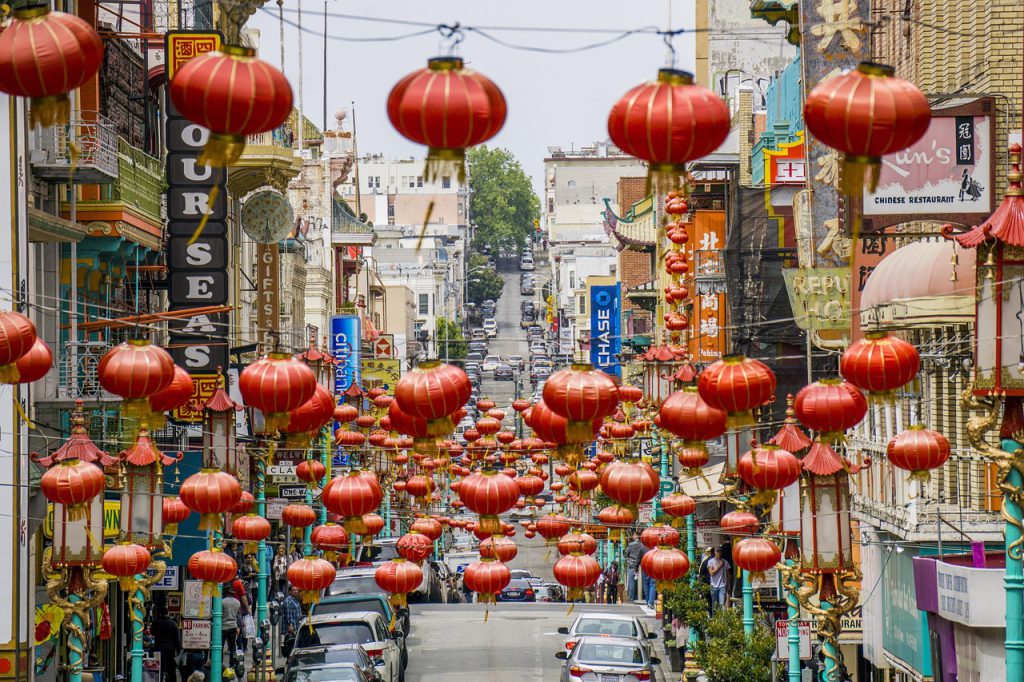
Chinatown becomes a corridor of red and gold beneath a skyline of glass and steel. Lantern arches stretch across Pagoda Street and Smith Street. Zodiac sculptures shimmer near public squares. Families stroll beneath decorative canopies, children holding glowing lanterns.
At River Hongbao, large-scale lantern installations reflect against Marina Bay waters, merging heritage imagery with Singapore’s futuristic cityscape.
Yet compared to the explosive energy of New Year’s Eve or the busy rounds of visiting on Day 1 and Day 2, Chap Goh Meh feels calmer.
It is less about spectacle.
More about conclusion.
Many Singaporean families mark the night with:
- A final festive meal
- A visit to temples such as Buddha Tooth Relic Temple
- Quiet prayers for the year ahead
The incense smoke rises gently. The queues are shorter. The atmosphere is reflective.
By the next morning, festive decorations begin to disappear. Offices resume rhythm. Schools settle back into routine.
The cycle closes.
🍡 Tangyuan: The Taste of Completion
Across Singapore, China, Taiwan, and diaspora communities, one constant defines Chap Goh Meh:
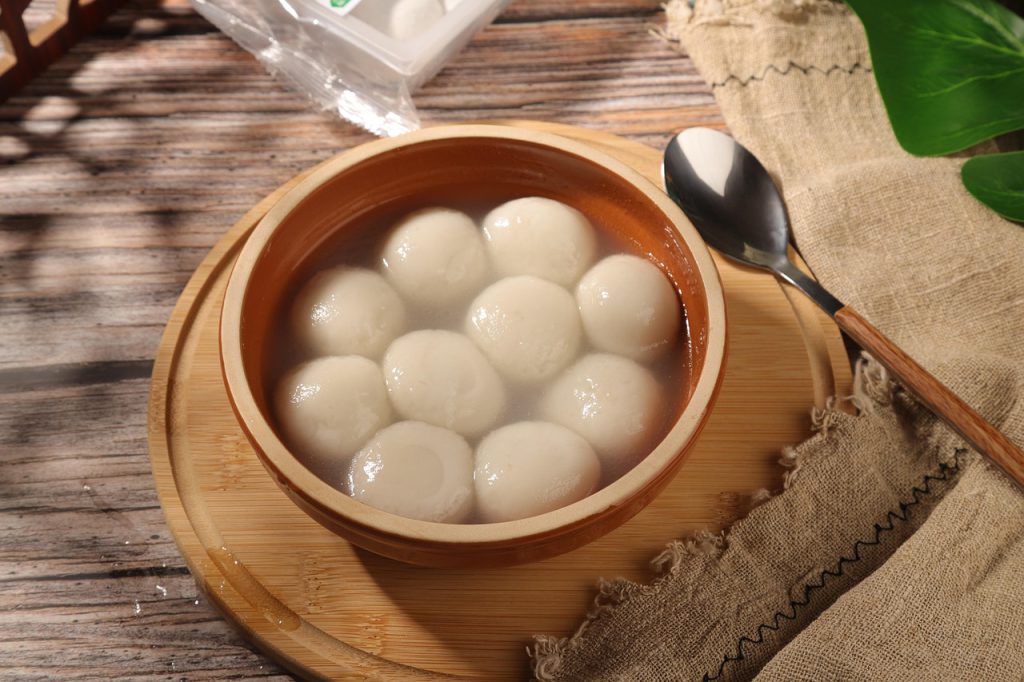
Tangyuan (汤圆).
These glutinous rice balls are typically served in warm ginger syrup and filled with black sesame, peanut, or red bean paste.
Their round shape symbolizes:
- Unity
- Family reunion
- Emotional wholeness
Eating tangyuan under the full moon is a sensory ritual. The warmth contrasts with the night air. The sweetness lingers.
The circle closes — both symbolically and physically.
In many households, tangyuan is the final festive dessert before the Lunar New Year sweets are packed away.
🌏 Across Asia: Variations of Light
Chap Goh Meh may share a lunar date, but its expressions vary across Asia.
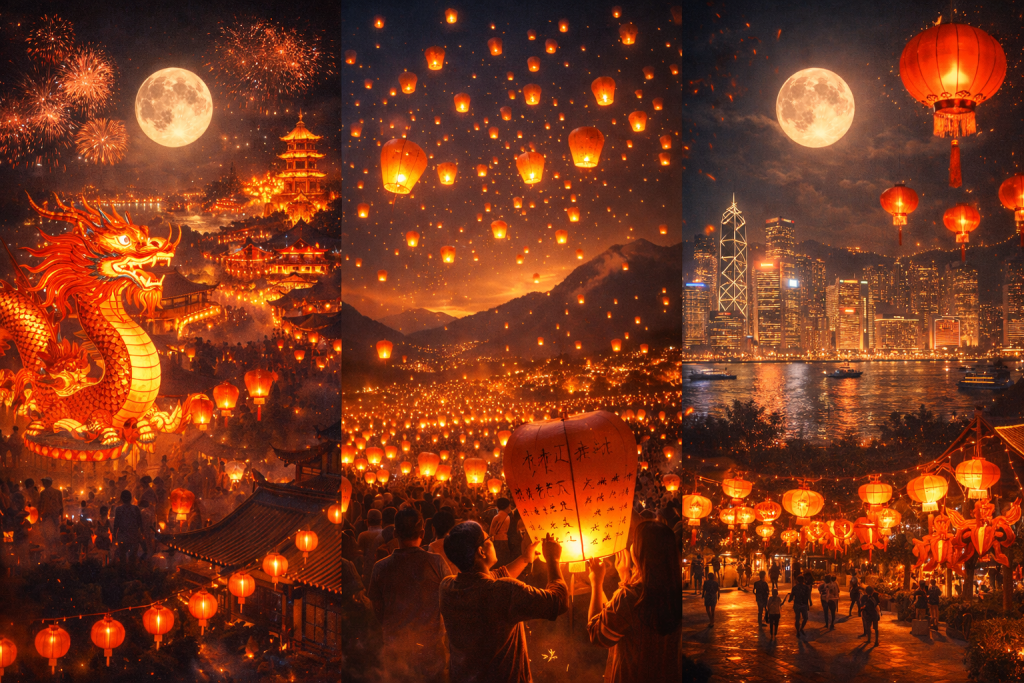
🇨🇳 Mainland China: Grand Lantern Fairs
In China, the Yuanxiao Festival is expansive.
Major cities host lantern fairs featuring:
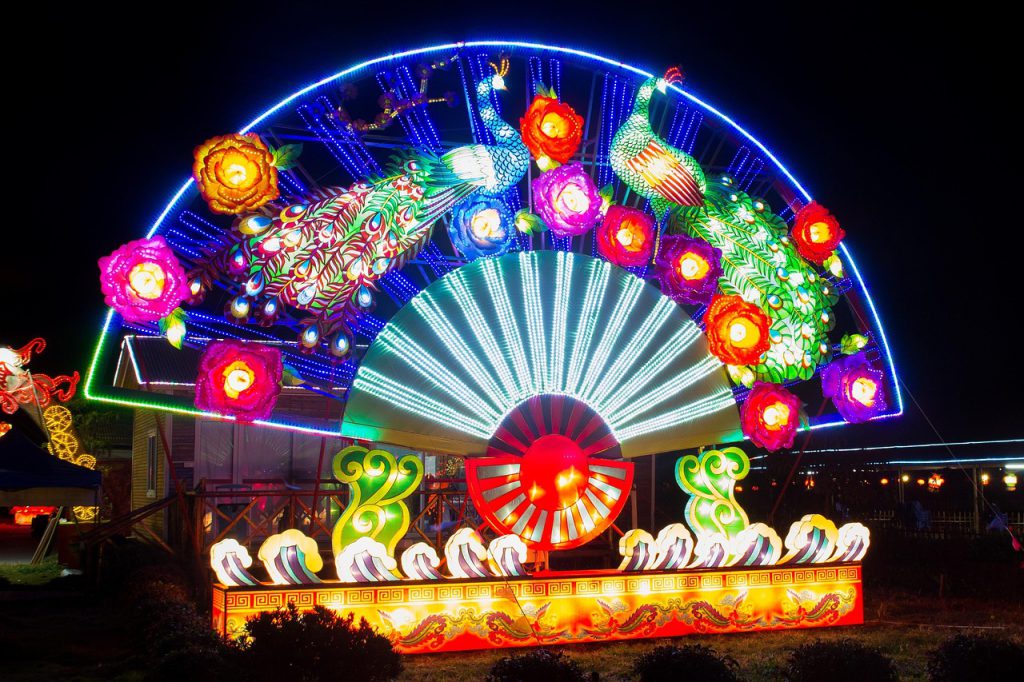
- Massive dragon and phoenix lanterns
- Folk performances
- Fireworks (in permitted regions)
- Lantern riddles (猜灯谜)
Lantern riddle guessing transforms the night into a participatory game. Written clues hang beneath lanterns; participants attempt to decipher classical references, idioms, or wordplay.
The festival becomes intellectual, artistic, and communal all at once.
🇹🇼 Taiwan: Sky Lanterns and Wishes
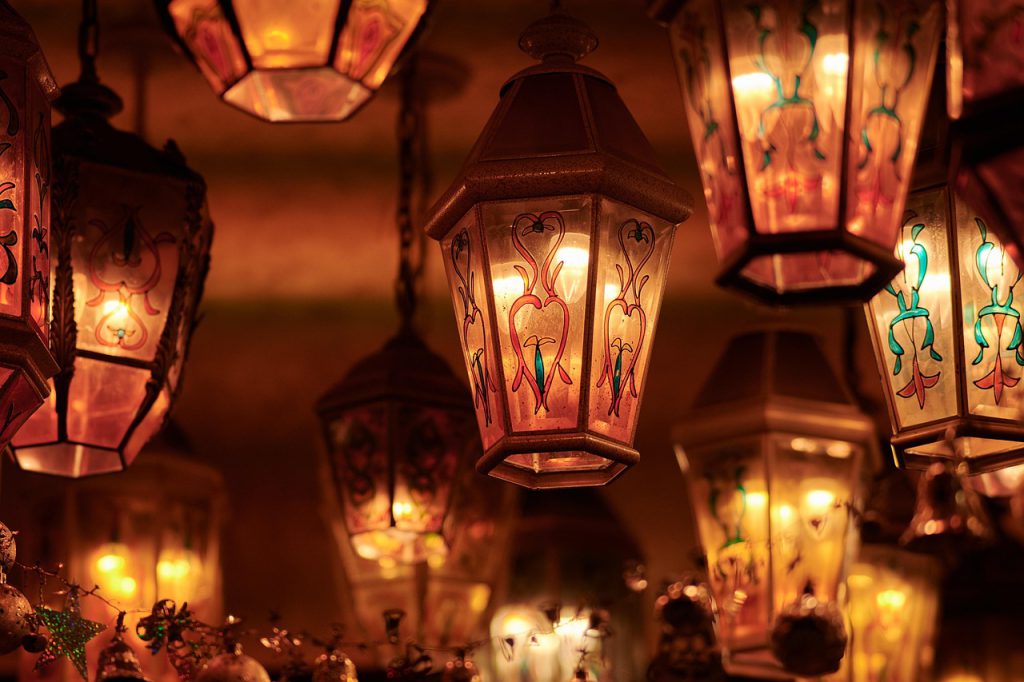
Taiwan’s most internationally recognized observance is the Pingxi Sky Lantern Festival.
Thousands of paper lanterns are released into the sky, each inscribed with wishes for health, love, and prosperity.
The sight of glowing lanterns ascending into the night sky — against mountain silhouettes — creates an atmosphere both cinematic and spiritual.
It represents:
- Letting go of burdens
- Sending intentions outward
- Collective aspiration
🇭🇰 Hong Kong: Urban Illumination
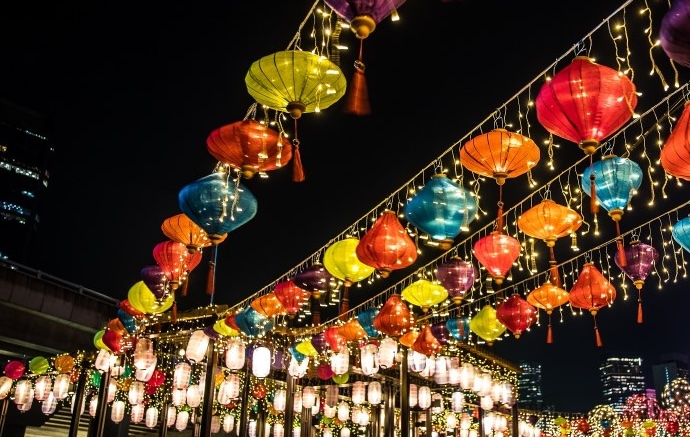
In Hong Kong, lantern carnivals are often staged in parks and along Victoria Harbour. The juxtaposition of traditional lantern art against a neon skyline creates a fusion of heritage and modernity.
Performances, cultural exhibitions, and light installations blend old symbolism with contemporary design.
🌍 The Global Chinese Diaspora
Chap Goh Meh travels wherever Chinese communities settle.
From San Francisco to Vancouver, Sydney to London, Lantern Festival celebrations conclude broader Lunar New Year events.
In diaspora contexts, Chap Goh Meh often becomes:
- A cultural education platform
- A bridge between generations
- A reaffirmation of heritage
Even if lantern fairs are smaller in scale, the symbolism remains intact.
Families gather. Tangyuan is served. The moon rises over unfamiliar skylines.
Tradition adapts — but does not disappear.
🎎 Love, Folklore, and Cultural Memory
Ancient Chinese folklore connects the Lantern Festival to romantic mythology.
One popular legend tells of celestial lovers reunited beneath the full moon. Another speaks of heavenly maidens descending to earth during lantern festivities.
While modern celebrations emphasize community and reunion, traces of romantic symbolism remain embedded in literature and poetry associated with the night.
Historically, the Lantern Festival was one of the few nights when young women were permitted to walk freely outdoors, creating rare opportunities for courtship in traditional society.
Thus, Chap Goh Meh also became associated with love and destiny.
🏮 Modern Adaptations
In contemporary cities like Singapore, tradition intersects with regulation, safety, and urban planning.
Sky lantern releases are restricted for fire safety. Fireworks are regulated. Lantern installations are curated.
Yet digital technology introduces new forms of participation:
- LED lantern displays
- Projection mapping
- Social media wish walls
- Livestreamed temple events
The essence evolves without vanishing.
The lantern’s flame becomes electric — but its symbolism persists.
🌕 The Philosophy of Completion
Why does Chap Goh Meh endure?
Because it fulfills a psychological need.
Modern celebrations often begin with enthusiasm but lack intentional closure. Chap Goh Meh provides a ceremonial endpoint.
It says:
The visits are complete.
The blessings have been exchanged.
The intentions are set.
Now, begin.
It is structured transition — a cultural pause before routine resumes.
In Singapore’s fast-paced environment, this pause carries particular relevance.
✨ A Shared Sky
On Chap Goh Meh, the same moon rises over:
- Marina Bay
- Beijing
- Taipei
- Hong Kong
- San Francisco
- London
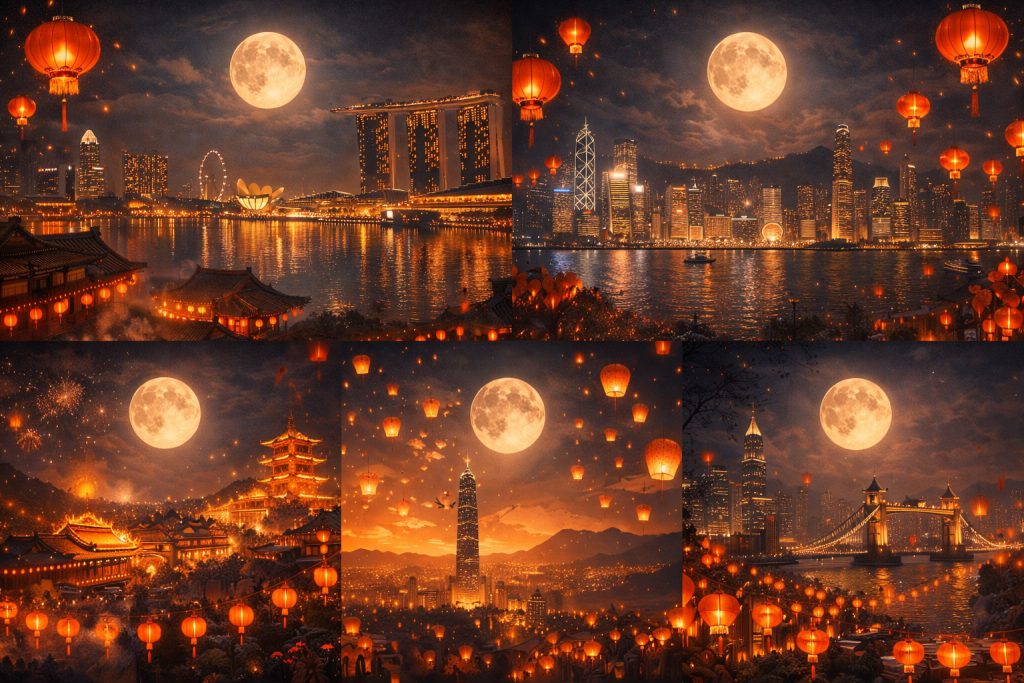
Different languages may be spoken beneath it. Different foods may be served.
But the symbolism is shared.
Light in darkness.
Reunion in motion.
Completion before continuation.
🌕 Closing the Lunar Chapter
Chap Goh Meh is not the loudest festival of the year.
It does not compete with countdowns or fireworks.
Instead, it glows.
It gently concludes the Lunar New Year season — sealing intentions beneath a full moon before everyday life resumes.
In Singapore and across the world, lanterns may dim after the fifteenth night.
But the meaning remains.
Every ending is also a beginning.
Every cycle invites renewal.
And under the first full moon of the year, communities everywhere are quietly reminded:
Wholeness is not accidental.
It is intentional.



Leave a Reply