

( credit – https://youtu.be/p-B_QYsqHqA?si=uuDo_dKREIN_EpRZ)
Ever wondered why millions of people across Asia stop to admire the moon every year? The answer lies in a festival that has survived empires, dynasties, wars, and modern trends—the Mid-Autumn Festival. This isn’t just about mooncakes and lanterns. It’s about history, myths, and the way traditions have been passed down for over 3,000 years.
🌾 The Festival as a Harvest Ritual
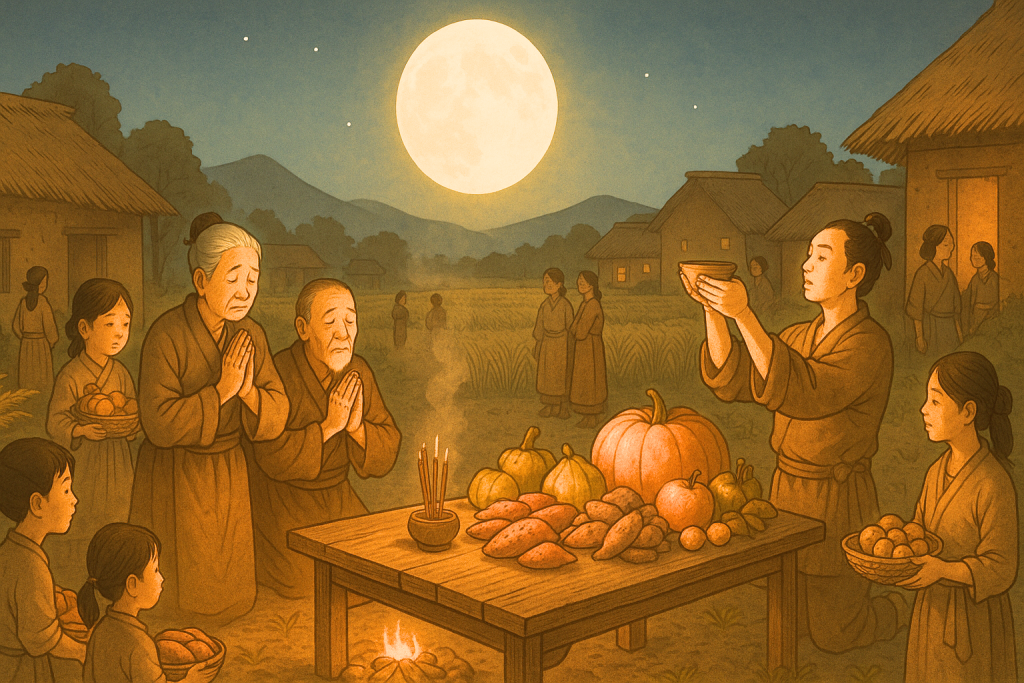
Before dynasties and mooncakes, the Mid-Autumn Festival was deeply practical. Ancient Chinese farmers lived at the mercy of the seasons. The full moon of the eighth lunar month (usually September–October) signaled cooler weather and crops ready to gather.
Villages would:
- Offer pumpkins, sweet potatoes, and fruits to the moon in thanks.
- Burn incense for good luck.
- Pray not only for food but also for fertility, health, and family harmony.
This was less about grandeur and more about survival and gratitude.
📜 Dynasties Layering Stories on Tradition
Every dynasty added something new, shaping the festival we know:
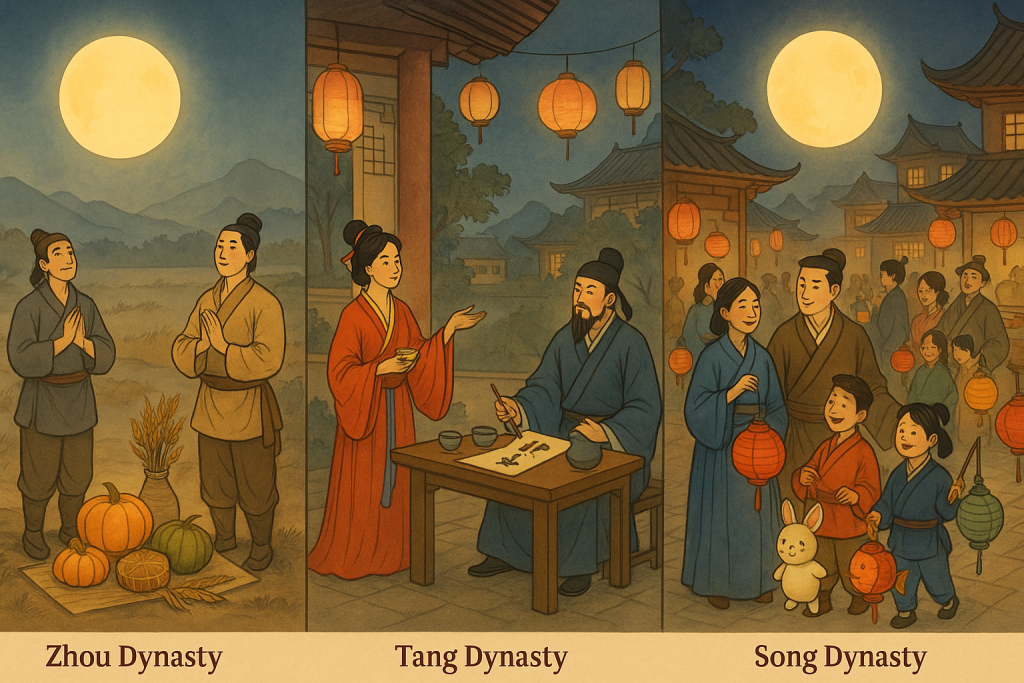
- Han Dynasty (202 BCE–220 CE): Moon worship was tied to Taoist philosophy; emperors made offerings for prosperity.
- Tang Dynasty (618–907 CE): The festival became an artful celebration. Scholars, poets, and nobles gathered to compose verses under the moon—turning moon-viewing into a refined pastime.
- Song Dynasty (960–1279 CE): Lanterns became popular, lighting up cities and villages. This is when children carrying glowing lanterns likely began as a tradition.
- Ming & Yuan Dynasties: Enter the famous mooncake rebellion tale, where messages inside mooncakes were said to help coordinate uprisings against Mongol rulers.
These layers of history explain why the festival feels like a mix of myth, politics, art, and family traditions all rolled into one.
🌕 Ancient Beginnings: The Zhou Dynasty (1046–256 BCE)
The earliest records of moon worship date back to the Zhou Dynasty in China. Farmers celebrated the autumn harvest under the full moon, thanking it for bountiful crops. Unlike today’s festival filled with neon lanterns and Instagram posts, these were simple rites of gratitude—a community’s way of staying connected to nature’s cycles.
The roundness of the moon represented unity, wholeness, and family reunion—ideas still central to the festival today.
🏯 The Tang Dynasty’s Golden Glow (618–907 CE)
Fast forward to the Tang Dynasty, and the Mid-Autumn Festival became a glittering cultural event. Poetry, music, and elaborate moon-viewing banquets became popular among scholars and nobles.
The Tang were known for their elegance and love of beauty. Imagine scholars sipping tea, composing verses about the moon, and enjoying the refined atmosphere of Chang’an (today’s Xi’an). This era gave the festival its refined, artistic side.
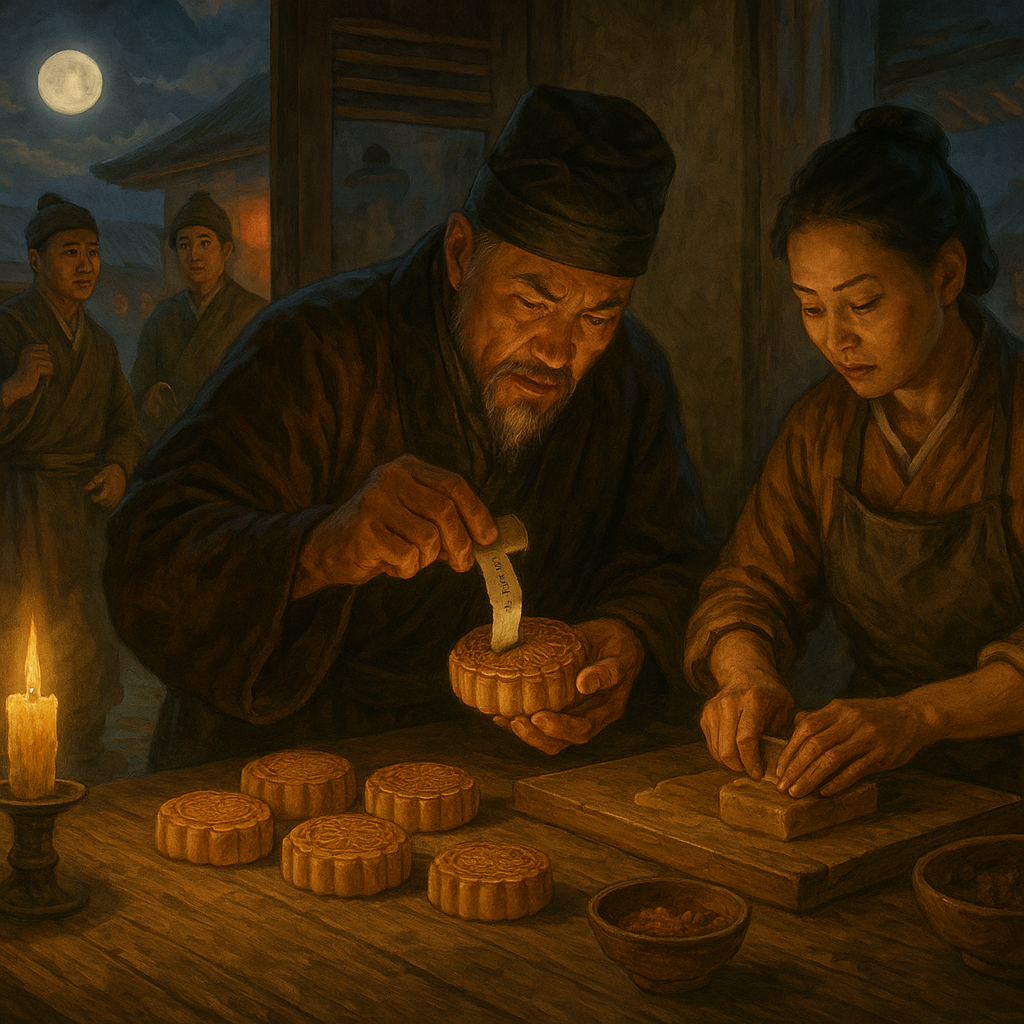
🥮 Mooncakes & Ming Dynasty Secrets (1368–1644 CE)
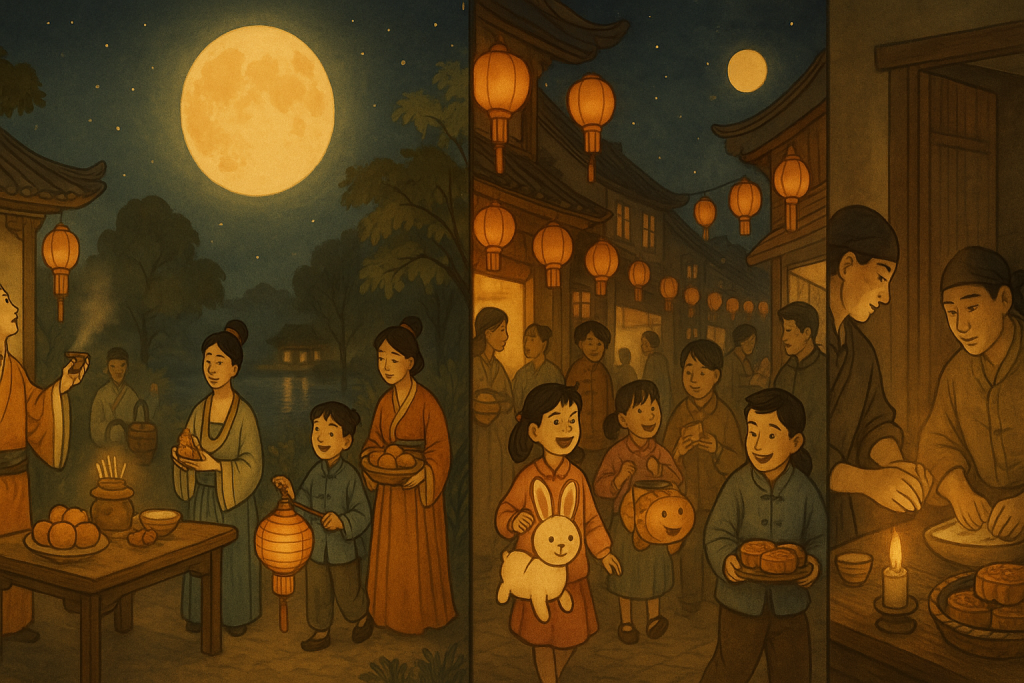
Here’s where history meets legend. During the Yuan Dynasty (ruled by the Mongols), rebels plotted to overthrow their rulers. It’s said they hid secret messages inside mooncakes, instructing people to rise up on the night of the Mid-Autumn Festival.
By the time of the Ming Dynasty, this story became widely celebrated. Mooncakes weren’t just pastries—they were symbols of rebellion, freedom, and hope. Every bite carried a taste of history.
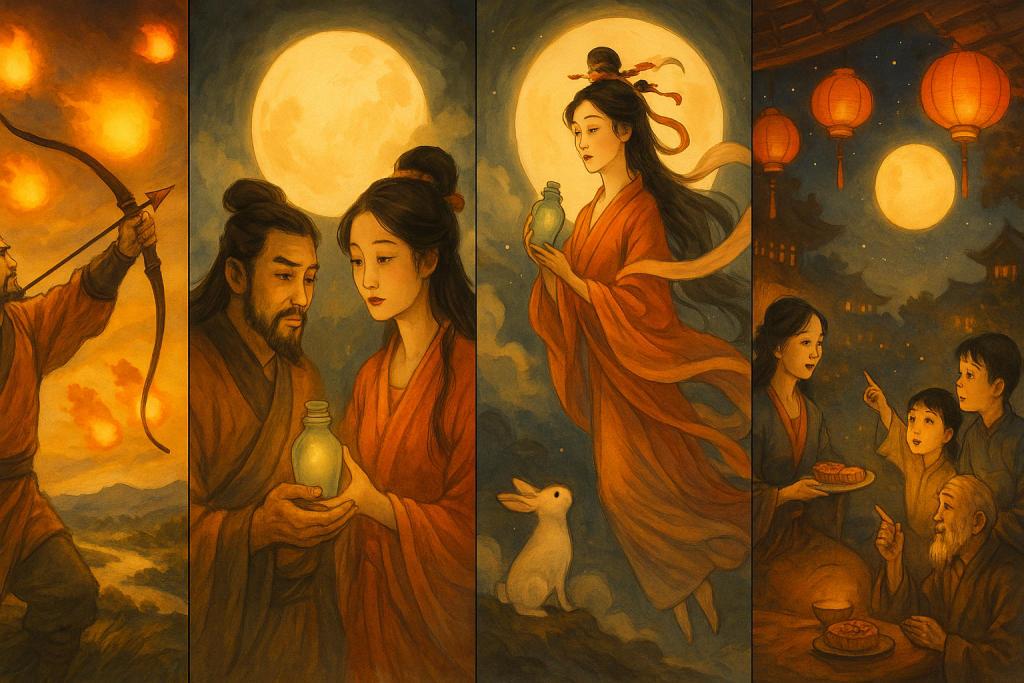
👸 The Legend of Chang’e
You can’t talk about the festival without the myth of Chang’e, the moon goddess. According to the most popular version:
- Hou Yi, a great archer, shot down nine suns to save the world.
- He was given an elixir of immortality.
- His wife, Chang’e, drank it to protect it from thieves and floated to the moon, where she lives to this day.
Children look up at the moon hoping to catch a glimpse of her, while adults retell the tale as part of the night’s storytelling traditions.
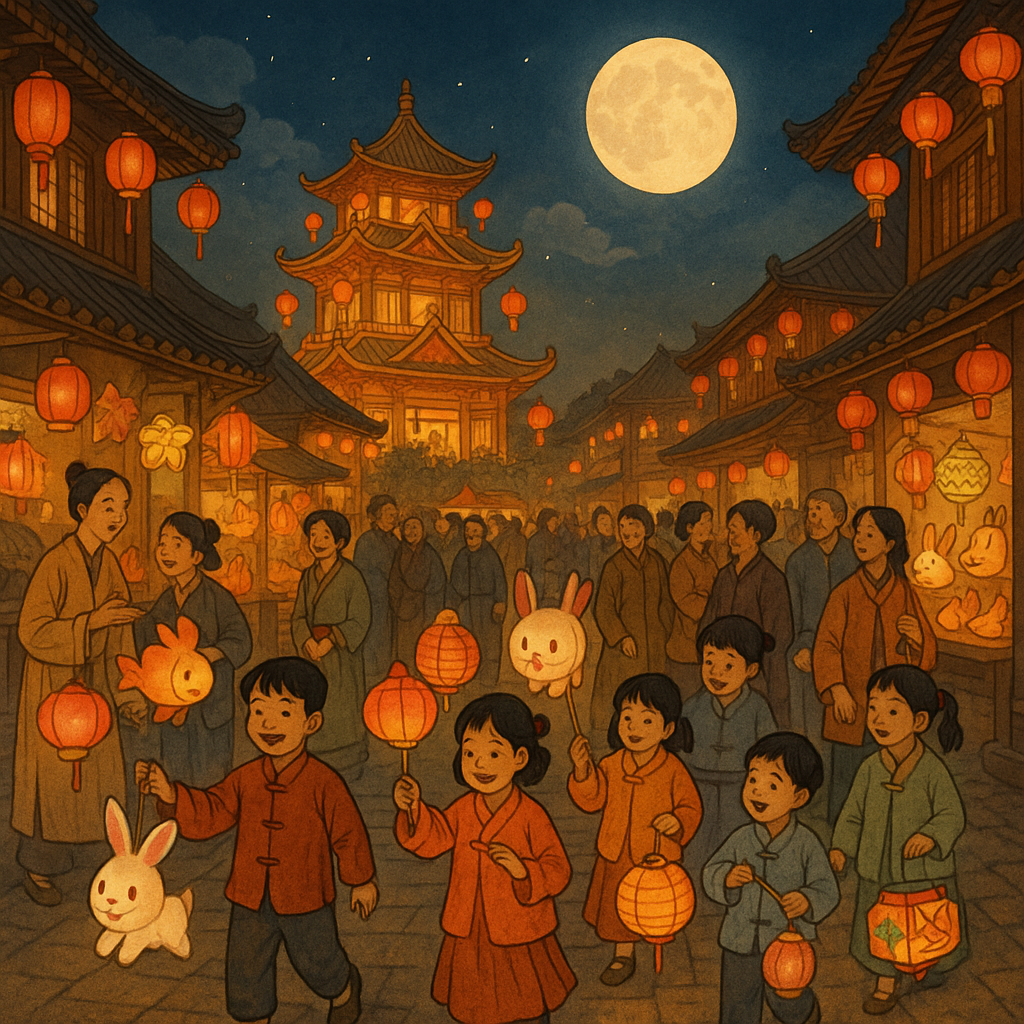
🏮 The Lanterns’ Journey
Lanterns may seem decorative today, but they carry deep symbolism. Their light was believed to guide lost spirits back home and illuminate the path of good fortune.
By the Qing Dynasty (1644–1911 CE), lantern displays were extravagant. Whole streets glowed with animal, flower, and palace-shaped lanterns. Over time, the lantern also became a childhood memory—a simple paper lantern glowing in the hands of young ones, creating bonds across generations.
🌕 中秋猜灯谜 Quiz (50题) 🎉
题目 1 / 50
Loading…
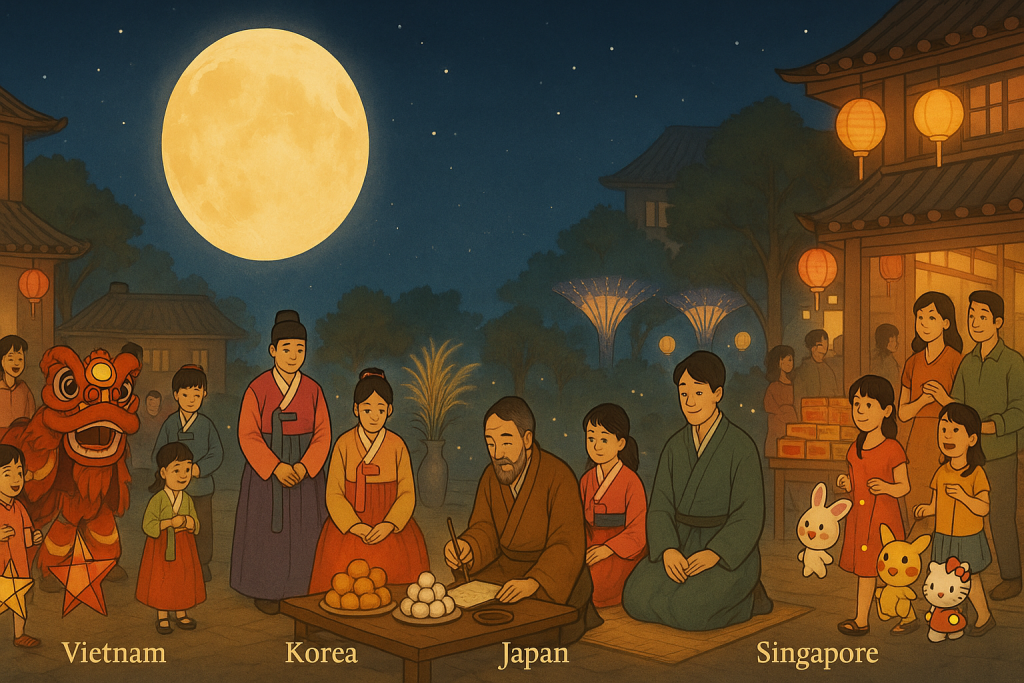
🌏 The Festival Spreads Across Asia and Southeast Asia
As trade and migration spread Chinese culture, the Mid-Autumn Festival found new homes and unique expressions across Asia. In Vietnam (Tết Trung Thu), it became a joyful children’s festival marked by lion dances and star-shaped lantern processions. In Korea (Chuseok), it turned into a harvest homecoming, centered on ancestor rituals and the making of songpyeon rice cakes. In Japan (Tsukimi), it evolved into a quieter, poetic moon-viewing tradition, with families offering pampas grass and dumplings under the glowing sky.
Across Vietnam, Korea, Japan, and Singapore, the customs may look different, but the central idea remains the same: honoring the harvest, cherishing family, and gazing together at the same bright moon.Here, the festival isn’t just heritage—it’s a living, evolving tradition where culture meets creativity.
🇸🇬 Singapore’s Own Touch
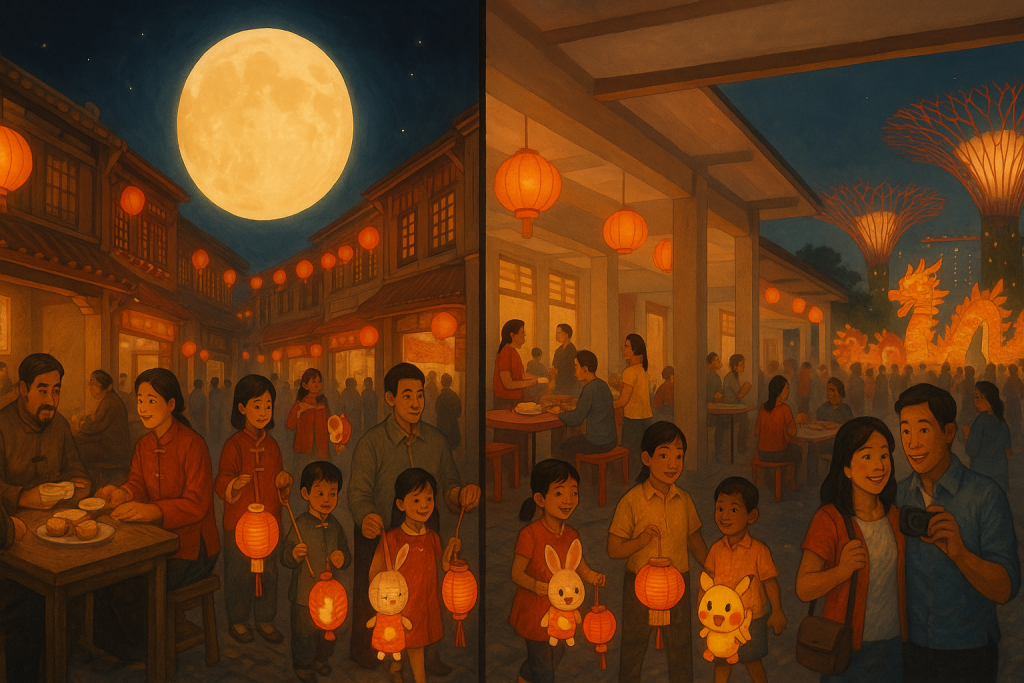
When Chinese communities migrated further into Southeast Asia in the 19th and early 20th centuries, they brought the festival with them. In Singapore, small gatherings in clan associations and temples soon grew into grand community celebrations. Over the decades:
- Chinatown became the heart of lantern displays and festive markets.
- Community centers organized mooncake-sharing nights and lantern walks, ossening the tradition to families of every background.
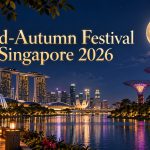
- Gardens by the Bay transformed the festival into a modern spectacle, where giant lantern sculptures light up the Supertrees against the skyline.
It’s both heritage and modern spectacle—a reminder of our roots and how traditions evolve in multicultural settings.
🎥 Chinatown Mid-Autumn Festival Highlights
( credit – https://youtu.be/_z-Oh8cha2g?si=M3DBIi2eV-Lx8pLI )
🥮 Mooncakes as a Cultural Marker
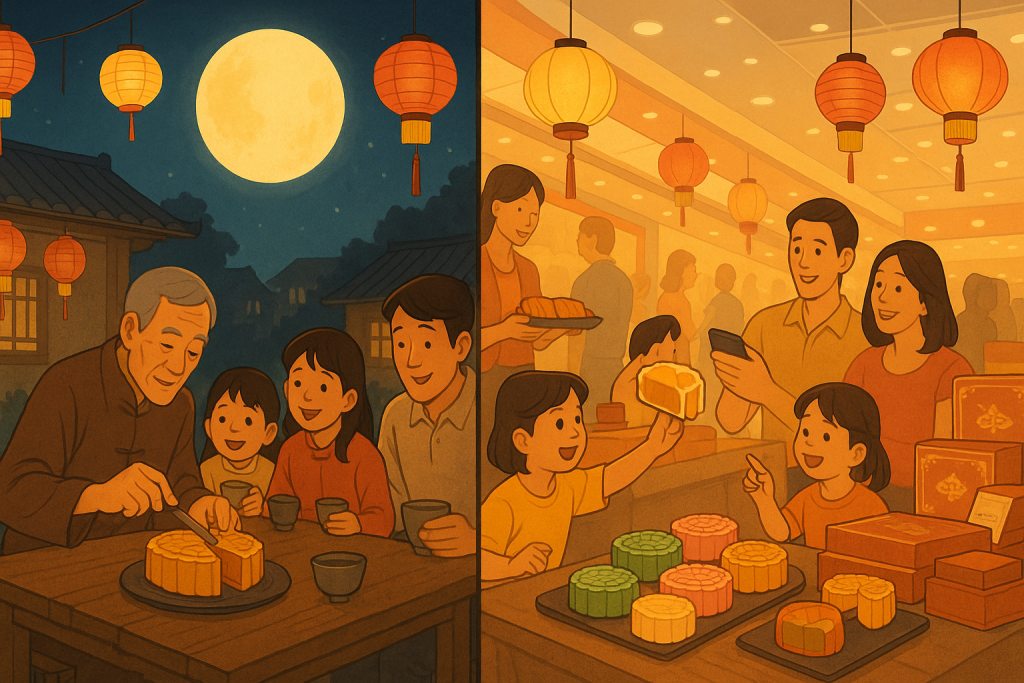
Mooncakes weren’t always luxury gifts. In the past, they were simple pastries filled with sweet bean or lotus paste, shared as symbols of togetherness.
Today, Singapore has turned mooncakes into a culinary trend:
- Traditional baked mooncakes with salted egg yolks.
- Snow skin mooncakes with chilled fillings like mango, durian, and even champagne truffle.
- Luxury mooncakes in elaborate boxes, sometimes costing more than a family dinner.
What hasn’t changed? Cutting a mooncake into wedges and sharing it with loved ones, each bite representing reunion under the same moon.
🌙 Why the Festival Still Matters Today
Despite modernization, the Mid-Autumn Festival continues to remind us of what humans have always valued:
- Connection — families gather no matter how busy life gets.
- Stories — from Chang’e’s legend to modern reinterpretations.
- Continuity — a thread of culture stretching back 3,000 years.
When you join a lantern walk or bite into a mooncake in Singapore, you’re part of that same story.
✨ Reflection: Why History Matters
When you stand under the full moon this year, you’re not just looking at a glowing circle in the sky. You’re standing in a chain of history stretching back thousands of years—farmers praying for harvests, poets dreaming of beauty, rebels hiding messages, families telling myths, and now, us, lighting up the night with lanterns.
📍 Is this spot near you?
If you’re in Chinatown or Gardens by the Bay, you’ll experience Singapore’s most dazzling Mid-Autumn history in action. If not, your nearest NgageGo spot may still hold a smaller gathering—sometimes, those intimate moments shine brightest.
🔥 Hot Picks for This Week
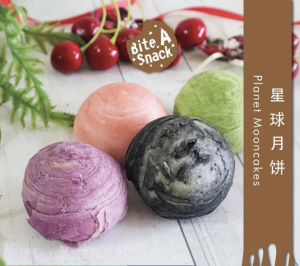

Award Winning Mooncake Egg Yolk Pie / Violet Gem Pie / Green Tea Lava Pie. Signature Pastry. Get it on Shopee now!
$32.95
View Product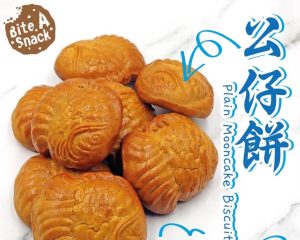
Ipoh Traditional Homemade GongZai Mooncake Biscuit 怡保传统手工公仔饼/又称香化饼,猪仔饼 200g+-/pack (8pcs)
$9.68
View Product


Leave a Reply