
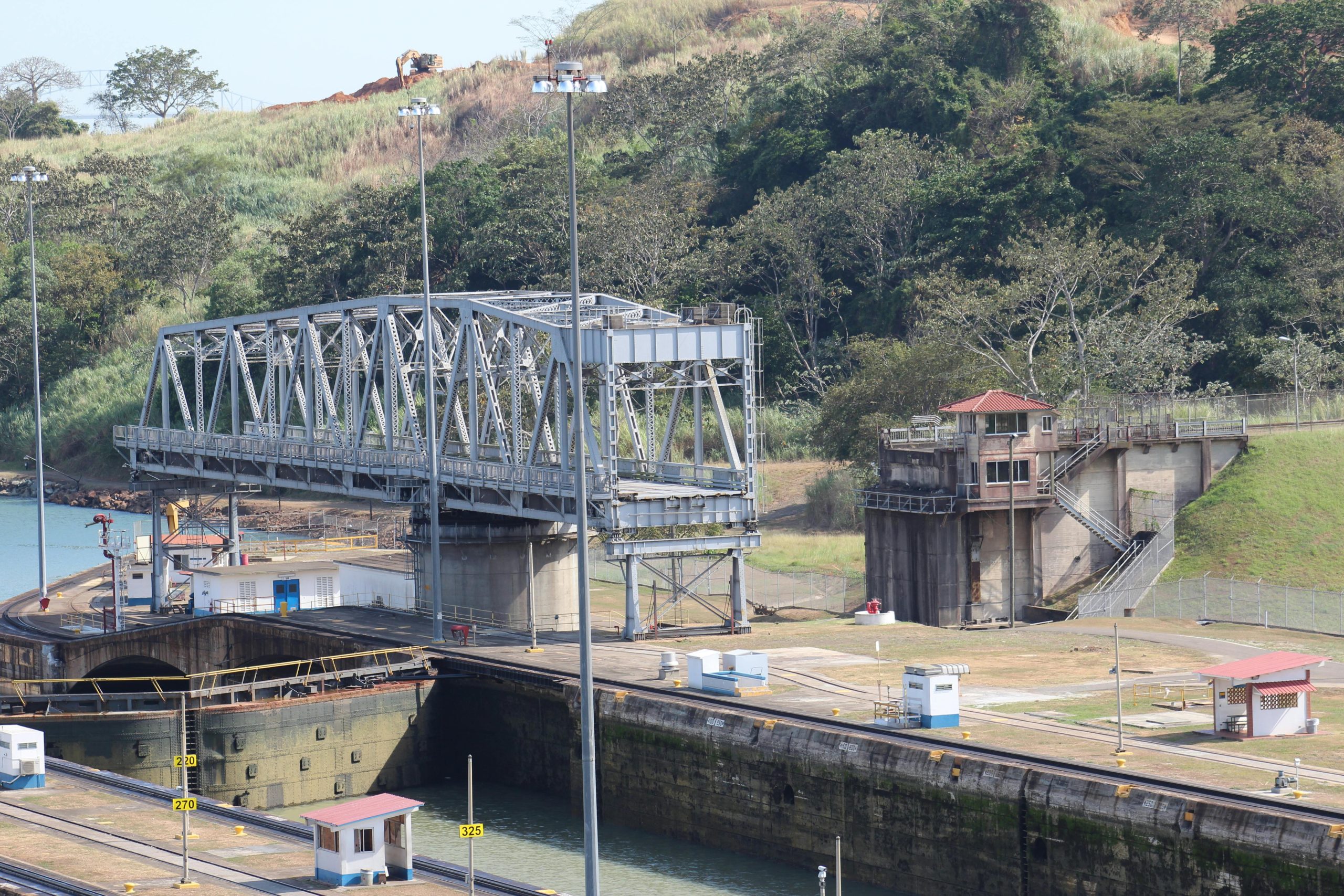
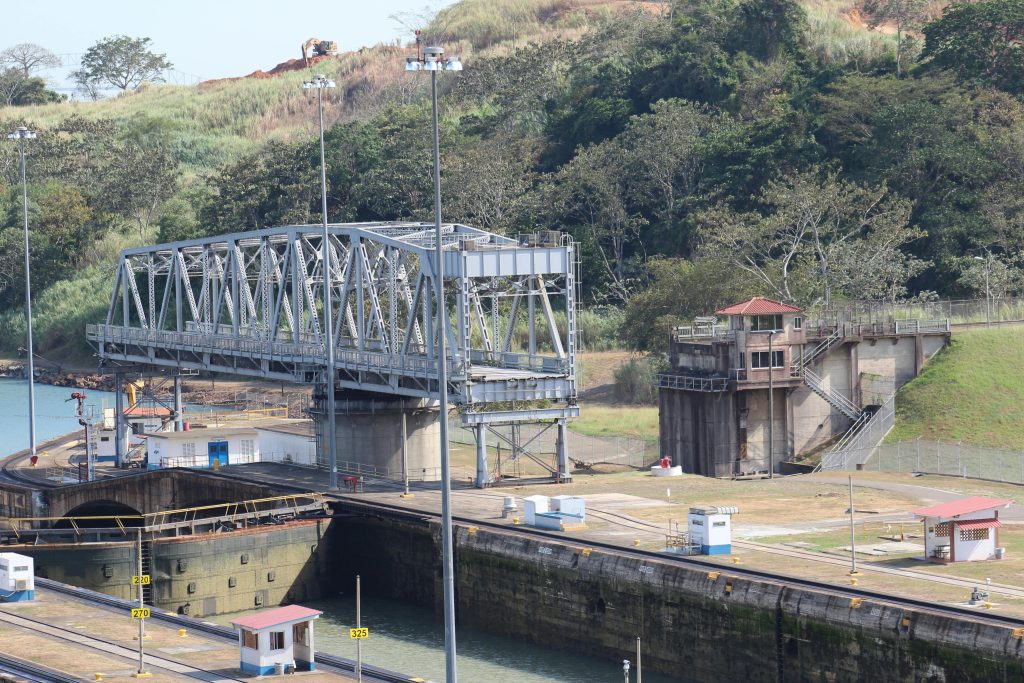
Dive deep into the lesser-known stories and obscured facts surrounding the Panama Canal, a marvel of engineering and a linchpin of global maritime trade. This blog will explore the tumultuous and often controversial history of the canal before the pivotal 1977 Torrijos-Carter Treaties. We’ll uncover the untold narratives of the laborers, the geopolitical tug-of-war, and the technological hurdles that shaped the early decades of this iconic waterway.
Key Sections:
The Labor Saga: Behind the Construction Marvel
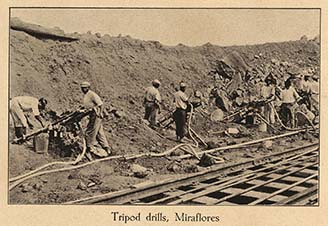
(credit of https://nljdigital.nlj.gov.jm/)
The Panama Canal, celebrated as one of the greatest engineering feats of the 20th century, stands as a testament to human ingenuity and determination. However, the construction of this 50-mile waterway came at an immense human cost, particularly for the labor force that toiled in perilous conditions. This section delves into the harsh realities faced by these workers, with a special focus on the West Indian laborers, whose pivotal contributions have often been overshadowed by the engineering triumphs.
The Recruitment of Labor
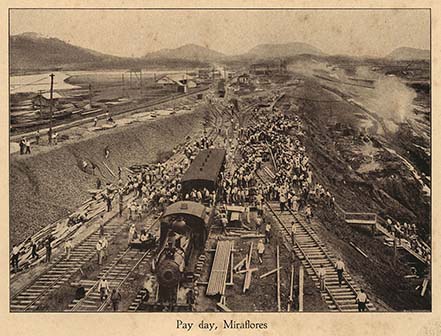
The construction of the Panama Canal was a massive undertaking that required a vast labor force. Initially managed by the French in the 1880s and later by the Americans from 1904, the project saw the recruitment of tens of thousands of workers from around the world. A significant portion of these workers came from the West Indies, lured by the promise of high wages and better living conditions. By 1906, West Indians made up about three-quarters of the canal’s workforce.
Harsh Realities on the Ground
Upon arrival, these laborers were met not with prosperity but with grueling work conditions. The construction site was fraught with dangers: landslides, explosive accidents, and the collapse of excavation walls were common. Moreover, the tropical environment of Panama presented severe health hazards. Diseases such as yellow fever and malaria were rampant, and the medical infrastructure was woefully inadequate during the early years of the project.
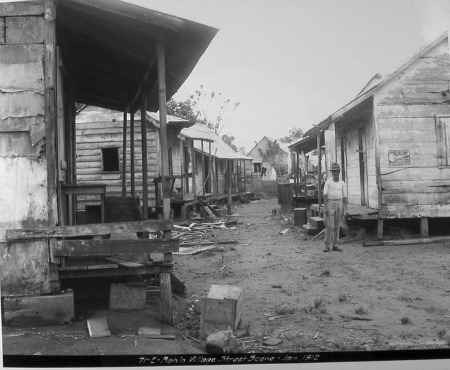
The disparity in treatment between West Indian workers and their European or American counterparts was stark. West Indian laborers, who were mostly black, were subjected to systemic racial discrimination. They received lower wages than their white counterparts and were often allocated the most dangerous and demanding jobs.
(credit of Rediscovering Black History)
Living Conditions
The living conditions in the labor camps were deplorable. Workers were housed in overcrowded barracks that lacked proper sanitation facilities, which only exacerbated the spread of diseases. The segregation of housing based on race further highlighted the discriminatory practices; white workers were provided with superior accommodations and better medical care compared to their black counterparts.
The Human Cost
The human toll was staggering. It is estimated that over 25,000 workers died during the French construction attempt and about 5,600 during the American phase, though the exact number is disputed and believed to be higher. Many of these deaths were from disease, but a significant number were also from construction accidents. The mortality rate was particularly high among the West Indian laborers.
Despite the high death toll, the project continued unabated, with new workers being recruited to replace those who had perished. The loss of life was often justified by the perceived overarching benefits of the canal to global commerce and military strategy.
Legacy and Recognition
The completion of the Panama Canal in 1914 was heralded as a monumental achievement in engineering and a boon for global maritime trade. However, the sacrifices of the laborers, especially those from the West Indies, remained in the shadows for many decades. It was not until much later that efforts were made to recognize and commemorate their contributions and sacrifices.
Technological Trials and Triumphs
The Panama Canal, one of the most significant engineering feats of the 20th century, stands as a testament to human ingenuity and perseverance. This monumental project not only reshaped global trade routes but also encapsulated a series of groundbreaking technologies, significant trials, and eventual triumphs. In this section, we delve into the intricate dance of innovation and challenge that marked the construction of the Panama Canal, highlighting the initial setbacks under French leadership and the eventual success achieved by American engineers.
The French Prelude: Ambition Meets Malaria
(credit of https://en.wikipedia.org/wiki/File:Ferdinand_de_Lesseps_by_Nadar.jpg)
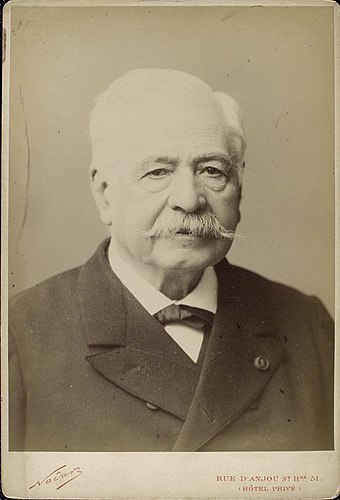
The saga of the Panama Canal begins in the late 19th century, spearheaded by Ferdinand de Lesseps, who had famously led the construction of the Suez Canal. The French effort was marked by high ambition and a gross underestimation of the challenges ahead. Unlike the desert sands of Suez, Panama presented a dense jungle teeming with rain, mud, and a daunting array of diseases like malaria and yellow fever.
The French technological approach primarily mirrored the methods used in Egypt—relying heavily on massive excavation and straightforward digging techniques. However, the topographical and health challenges soon overwhelmed the French team. By the late 1880s, the project was fraught with problems: machinery was swallowed by the jungle, and the workforce was decimated by disease. Financial mismanagement and mounting costs eventually led to the project’s suspension in 1889, leaving a legacy of failure that seemed insurmountable.
American Ingenuity: Conquering Climate and Terrain
The transition of the canal’s control from France to the United States in 1904 marked a new era of technological and methodological advancements. Under the stewardship of John Frank Stevens and later Dr. William Gorgas, the U.S. approach was twofold: conquering the land and controlling the diseases that had plagued the French efforts.
Medical Advances
One of the first triumphs was in the field of medicine. Dr. William Gorgas, appointed as the chief sanitary officer, implemented rigorous mosquito control programs targeting the breeding grounds of mosquitoes that spread yellow fever and malaria. His strategies were incredibly successful, drastically reducing the incidence of these diseases among canal workers. This medical breakthrough was pivotal, as it allowed for a healthier workforce and a more stable construction environment.
Engineering Innovations
Technologically, the American engineers decided against a sea-level canal like the French attempted, opting instead for a lock-based canal. This was primarily due to the unpredictable and torrential nature of the Chagres River, which could have made a sea-level canal impractical. The introduction of the lock system was a revolutionary design that allowed ships to be lifted over the Isthmus in a series of steps, using gates and chambers to manage the immense volume of water.
Massive new machinery and innovations such as steam-powered shovels, railroads for removing excavated materials, and the extensive use of dynamite for blasting through rock redefined the scale and efficiency of construction. The Gatun Dam, another significant American addition, was constructed to create a man-made lake that would serve as the main reservoir for operating the locks.
Overcoming the Odds
The American phase of the canal was not without its trials. Landslides and engineering challenges frequently disrupted progress, and the harsh weather continued to test the resolve of the workers. However, the combination of improved healthcare, advanced engineering practices, and effective management under American oversight gradually turned the tide in favor of completion.
Geopolitical Maneuvering and the Fight for Control
(credit of Age of Revolutions)
The story of the Panama Canal is not merely one of engineering marvels but also of intense geopolitical maneuvering, where diplomacy and power plays between the United States, Colombia, Panama, and other global powers unfolded. This section delves into the historical intricacies of how the U.S. came to dominate the construction and control of the Panama Canal, shaping the regional politics and impacting Panama’s sovereignty.
The Prelude to Construction
The Panama Canal’s story began in the 19th century when global powers recognized the need for a shorter maritime route between the Atlantic and Pacific Oceans. Initially, France attempted to construct the canal under Ferdinand de Lesseps, who had successfully overseen the Suez Canal’s completion. However, by 1889, plagued by financial problems and devastating rates of worker mortality due to disease, the French effort collapsed.
Enter the United States
The United States, emerging as a global power, saw a strategic opportunity to assert its influence in the Western Hemisphere. The U.S.’s interest in building the canal was driven by both economic motives—facilitating faster movement between the coasts—and military strategic interests, as it would allow rapid deployment of naval forces between oceans.
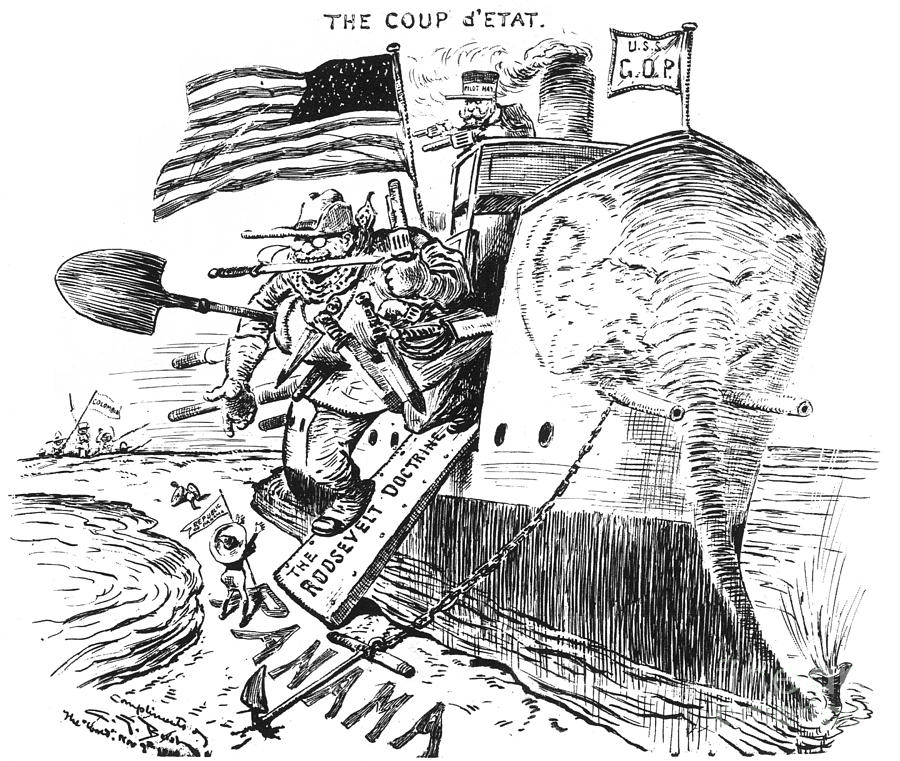
President Theodore Roosevelt was particularly keen on this endeavor. Under his administration, the U.S. shifted its approach from a potential Nicaraguan route to focus on Panama, then a province of Colombia. The U.S. offered Colombia $10 million and an annual rent for the rights to build and control the canal under the Hay-Herrán Treaty, but the Colombian Senate rejected this offer in 1903.
The Role of Panama and Its Independence
In response to Colombia’s rejection, the U.S. supported a separatist movement in Panama. On November 3, 1903, just days after Colombia’s refusal, Panama declared its independence. The U.S. Navy was crucial in preventing Colombian troops from quelling the uprising, essentially ensuring Panama’s independence.
Immediately following, the U.S. and the newly independent Panama signed the Hay-Bunau-Varilla Treaty, granting the U.S. control over the Canal Zone in perpetuity. This treaty was negotiated by Philippe Bunau-Varilla, who, controversially, was not a Panamanian representative but a French engineer and lobbyist who had been involved in the initial French canal effort.
Impact on Panama’s Sovereignty
The treaty significantly impacted Panama’s sovereignty. The Canal Zone, a 10-mile wide strip of land across Panama, was governed entirely by the United States until 1979. Panama had very limited authority in this area, a point of contention and a source of nationalist sentiment within the country.
The control of the canal by the U.S. was viewed by many Panamanians as an infringement on their sovereignty. It wasn’t until the Torrijos-Carter Treaties of 1977 that control began to revert to Panama, culminating in the complete handover on December 31, 1999.
Cultural Impact and Societal Changes in Panama
A vibrant nexus of commerce and culture, it has experienced profound transformations throughout its history, but none as significant as those stemming from the construction of the Panama Canal. This monumental engineering feat not only reshaped the geographical landscape but also catalyzed extensive cultural and societal changes within the country. In this section, we will explore how the construction of the canal and the influx of international workers led to significant cultural shifts, urbanization, and changes in the social structure of Panamanian society.
The Melting Pot Intensifies
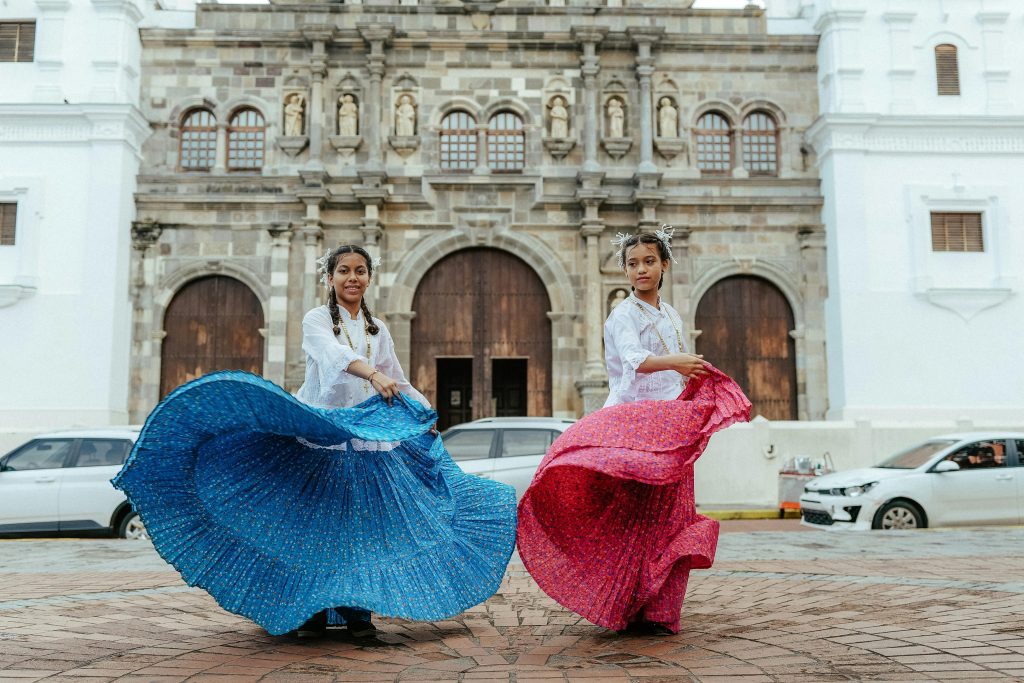
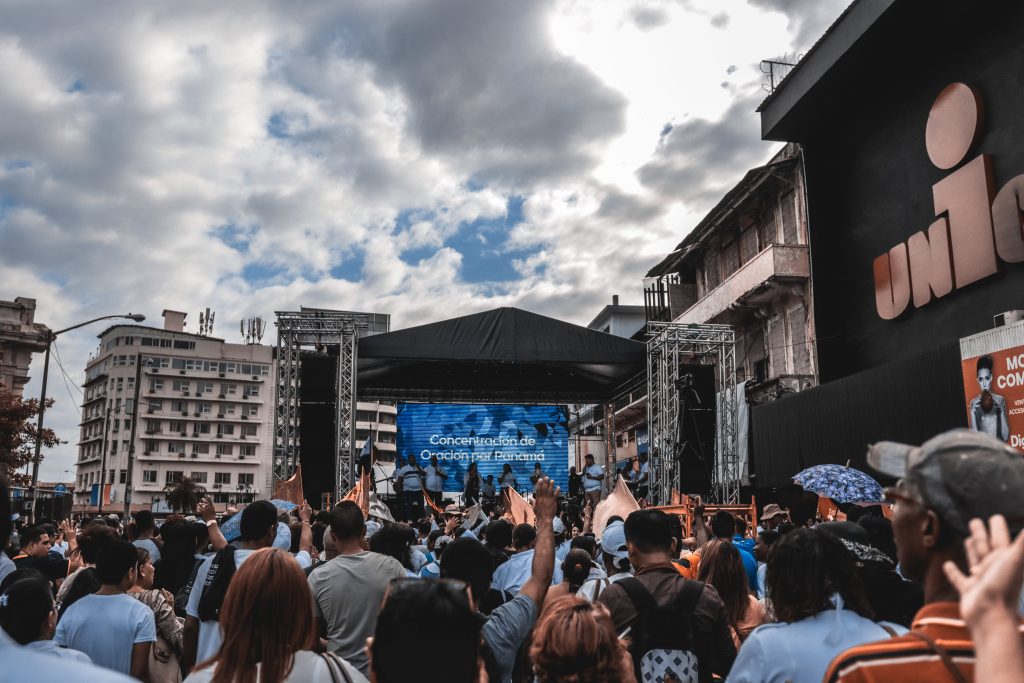
The construction of the Panama Canal was a gargantuan project that attracted thousands of workers from around the globe. This influx of diverse nationalities brought about a cultural melting pot, as Caribbean, European, Asian, and North American workers mingled with the local population. Each group brought their own traditions, languages, and customs, contributing to a rich tapestry of cultural diversity.
Language and Cuisine
The interaction among these diverse cultures led to the adoption of new languages and dialects in Panama, with English and French becoming more prevalent alongside Spanish. The culinary landscape of Panama also expanded as ingredients and cooking techniques from the Caribbean, China, and India were integrated into local cuisine, giving rise to dishes that are now staples in Panamanian diets.
Influence on Music and Arts
The cultural intermingling in Panama led to vibrant developments in the arts, particularly in music. The influx of Afro-Caribbean workers introduced styles like calypso and reggae, which blended with indigenous and Hispanic musical forms to create distinct sounds such as salsa and reggaeton. These genres have since become significant parts of Panama’s cultural identity, celebrated in national festivals and performances.
The visual arts also flourished as artists drew inspiration from the diverse populace and their various traditions, narratives, and aesthetics. This period saw a rise in artistic expressions that depicted the everyday lives of the canal workers and the dynamic scenes of urbanization, capturing the transformative spirit of the era.
Religious Impacts
Religious practices in Panama also reflected this diversity. While the country predominantly adhered to Catholicism, the arrival of new groups introduced a variety of religious beliefs, leading to a more pluralistic religious landscape. This diversity in worship practices encouraged a culture of tolerance and mutual respect among different religious communities.
Workforce and Labor Rights
The diverse workforce employed in the canal’s construction also played a crucial role in shaping labor laws and workers’ rights in Panama. The challenging working conditions and the initial lack of adequate rights for workers led to several strikes and protests. These movements were instrumental in establishing better labor standards and rights in Panama, influencing the country’s modern labor laws.
Social Structure and Integration
The societal changes in Panama due to the canal’s construction were not without challenges. The influx of foreign workers and the stratification of employment based on nationality and race led to complex dynamics within the social structure. Over time, however, these groups found ways to coexist, contributing to the social and cultural integration seen in contemporary Panamanian society.
The Role of Women
Significantly, the societal shifts also transformed the role of women in Panama. Women increasingly participated in the workforce, particularly in urban areas, which helped change traditional gender roles and expectations. This participation not only contributed to the economic development of Panama but also promoted gender equality in various sectors of society.
Path to Sovereignty: Leading up to the 1977 Treaty
(credit of wikipedia)
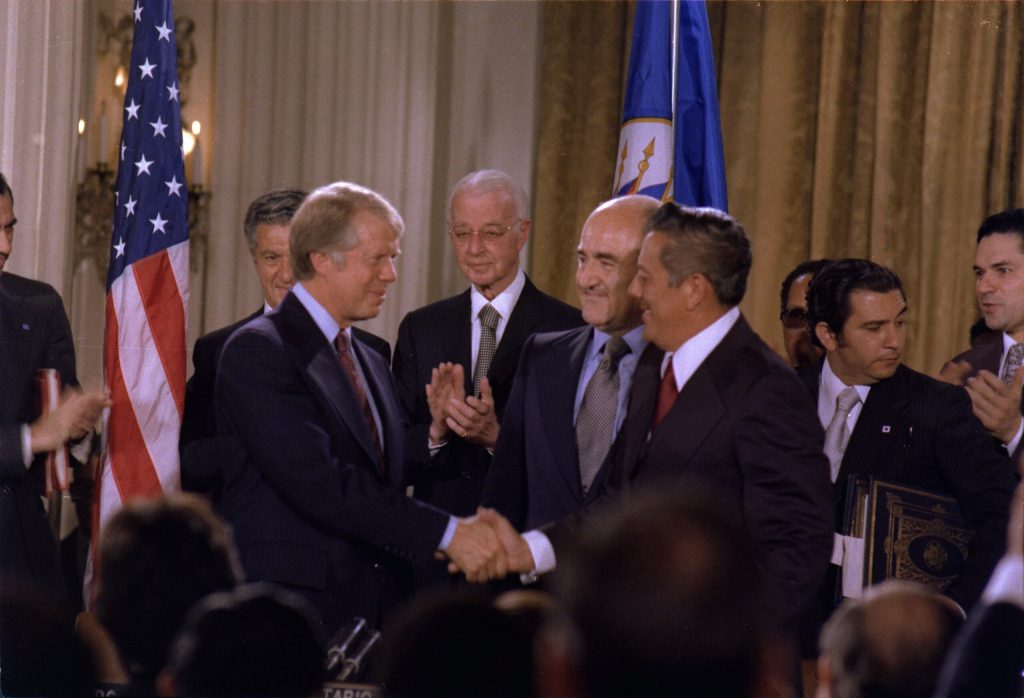
The Panama Canal Treaty of 1977, officially titled the “Torrijos-Carter Treaties,” was a pair of treaties signed between the United States and Panama on September 7, 1977. These treaties were signed by U.S. President Jimmy Carter and Panamanian leader Omar Torrijos. The treaties marked a significant shift in the control and management of the Panama Canal from the United States to Panama.
Key points of the treaties include:
- Gradual Transfer of Control: The treaties provided for the gradual transfer of the Canal from the U.S. to Panama. Control of the canal zone was to be handed over to Panama by the end of 1999.
- Operation and Defense: Until the end of 1999, the U.S. retained the right to operate and defend the canal. This was to ensure its neutral and continuous operation for ships of all nations.
- Neutrality Guarantee: The treaties guaranteed the canal’s neutrality, ensuring its open and continuous service to vessels from all countries, in peace and war.
The ratification of these treaties ended years of negotiation and tension, fulfilling Panama’s long-standing goal of regaining sovereignty over its territory. The treaties came into full effect on December 31, 1999, when Panama assumed full control of the Panama Canal. This marked a significant moment in U.S.-Latin American relations and was seen as a move towards a more cooperative and equitable approach in the U.S. foreign policy towards Latin America.
Following the ratification and implementation of the Panama Canal Treaties, several outcomes and implications emerged, significantly impacting both Panama and the United States, as well as international canal operations:
- Sovereignty and National Pride: For Panama, regaining control of the Canal was a major boost to national pride and sovereignty. It corrected a longstanding grievance regarding foreign control of a key national asset and territory.
- U.S. Strategic Interests: For the United States, the treaties represented a shift in its approach to international relations, particularly in Latin America, moving towards a policy of cooperation and support for sovereignty. The handover helped improve U.S. relations across Latin America, which were often strained due to perceived imperialistic policies.
- Global Shipping Dynamics: The handover ensured that the Panama Canal continued to operate efficiently and remain open to global maritime traffic. The canal’s neutrality and operational efficiency are crucial for global trade, particularly for the transit of goods between the Atlantic and Pacific Oceans.
- Political Impact in Panama: Domestically, the handover led to various political changes within Panama, including increased national confidence in negotiating international agreements and managing complex operations like the canal.
- Maintenance and Expansion Projects: Since taking control, Panama has undertaken significant projects to maintain and expand the canal to accommodate modern shipping demands. This includes the expansion project completed in 2016, which allowed larger ships to pass through, further increasing the canal’s capacity and revenue.
Overall, the Panama Canal Treaties symbolize a landmark shift towards respecting national sovereignties and fostering international cooperation. The successful transition set a precedent for similar treaties and agreements worldwide, highlighting the importance of diplomatic negotiation and mutual respect in international relations.
Understanding the hidden histories not only enriches our knowledge of the past but also informs the ongoing discussions about engineering ethics, labor rights, and international relations.
Join Our Interactive Poll: Exploring the Impact and Future of the Panama Canal
The Panama Canal has been a pivotal maritime route since its inception, influencing global trade, and geopolitics. As we reflect on its historical significance and anticipate future developments, we invite you to participate in our comprehensive survey titled “Voices on the Canal.” This survey seeks to gather your insights and opinions on various aspects of the Canal—from its impact on U.S.-Latin America relations to its role in global trade and environmental concerns.
Your participation will contribute to a better understanding of the Canal’s legacy. The survey includes a few key questions that touch upon historical fairness, environmental priorities, and more. We encourage you to share your thoughts and vote on each point.
If there is significant interest and participation, we will publicly release the results, giving everyone a chance to see the collective viewpoint on this crucial subject. Additionally, if you have any further comments or would like to elaborate on your views, please feel free to add your thoughts in the comment section below the survey.
Your voice matters—help us delve deeper into the story and future of the Panama Canal by participating in this engaging survey!
Source – Internet
Disclaimer
This article is for reference purposes only and is based on publicly available information as of 2025. While efforts have been made to ensure accuracy, the details mentioned may have changed after the publication date. Readers are advised to consult official sources for the most current information





Leave a Reply