
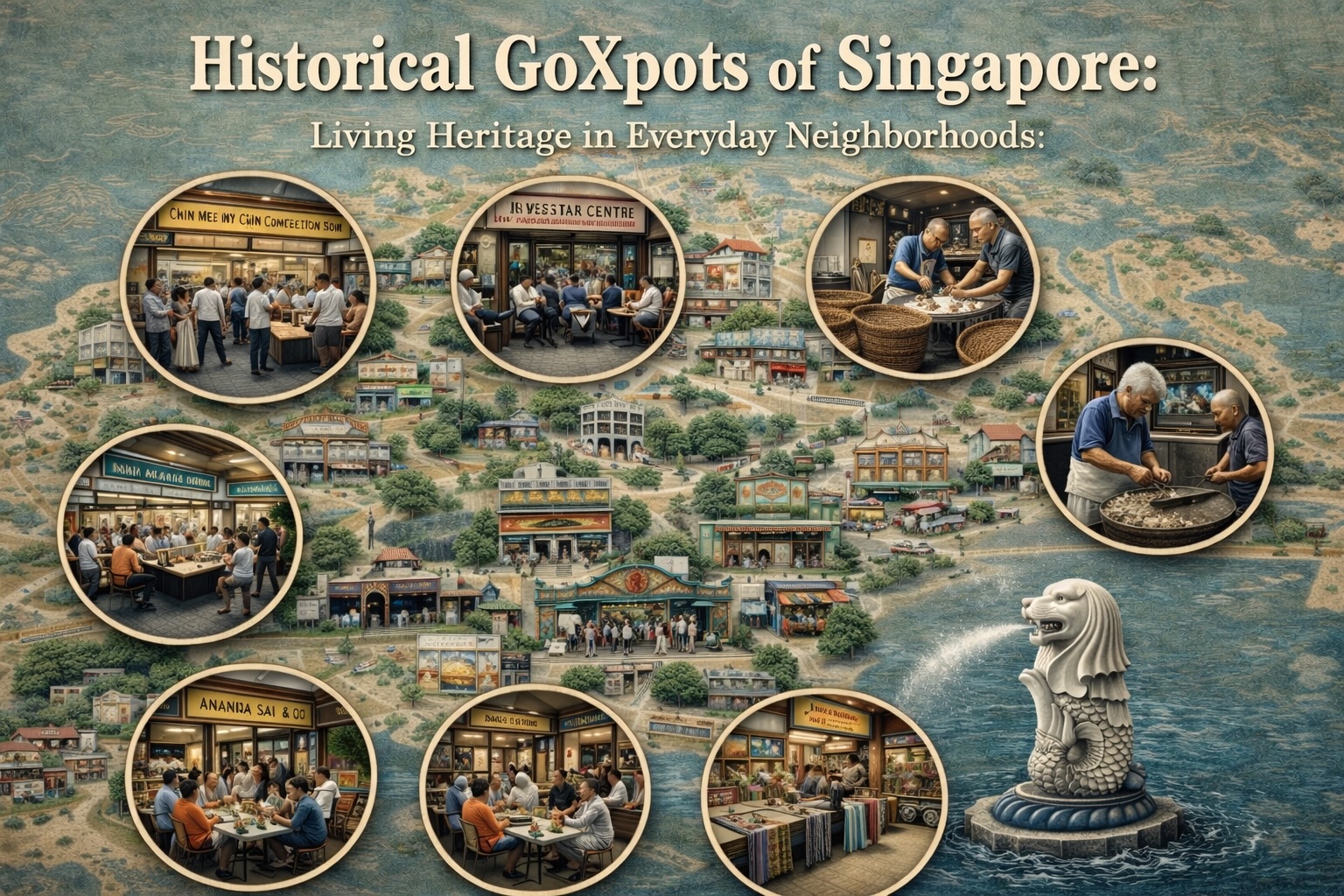
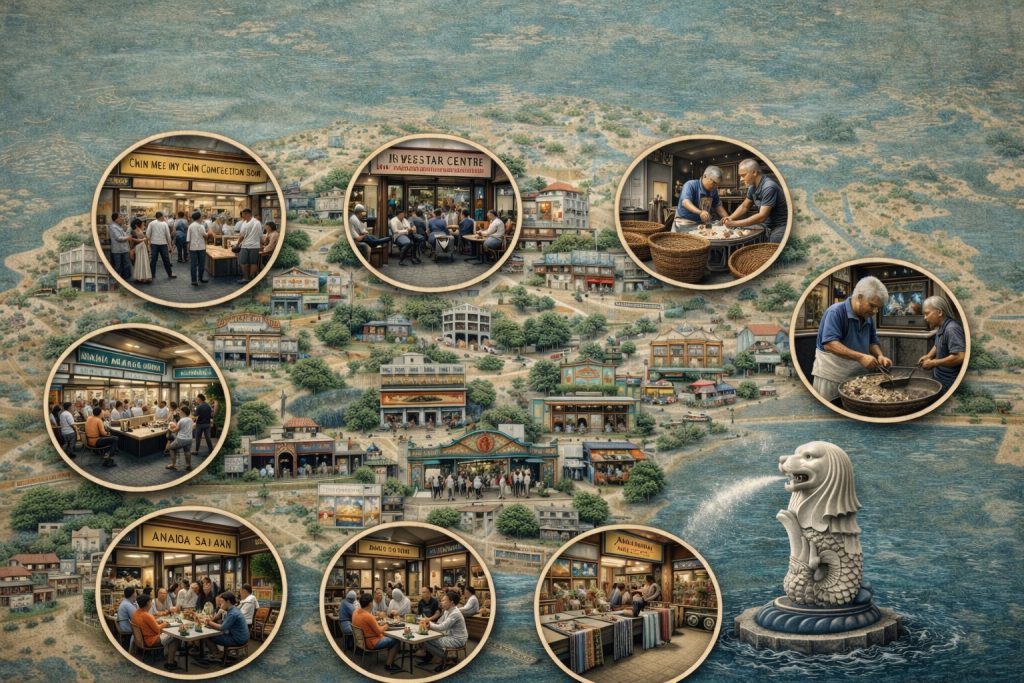
Singapore is often known for its modern skyline, efficient transport, and fast-paced urban life. Yet scattered quietly across the island are businesses that have survived decades of change. Some began before independence, some grew with the early housing estates, and others preserved crafts that are slowly disappearing. These humble places do not always appear in glossy travel brochures, but they form part of the everyday heritage of Singapore’s neighborhoods.
Historical GoXpots—locations where a visitor can still experience a piece of living history, represent food traditions, family trades, cultural practices, and community institutions that continue to serve people today.
Bugs Bunny Barber Shop and the Story of Toa Payoh
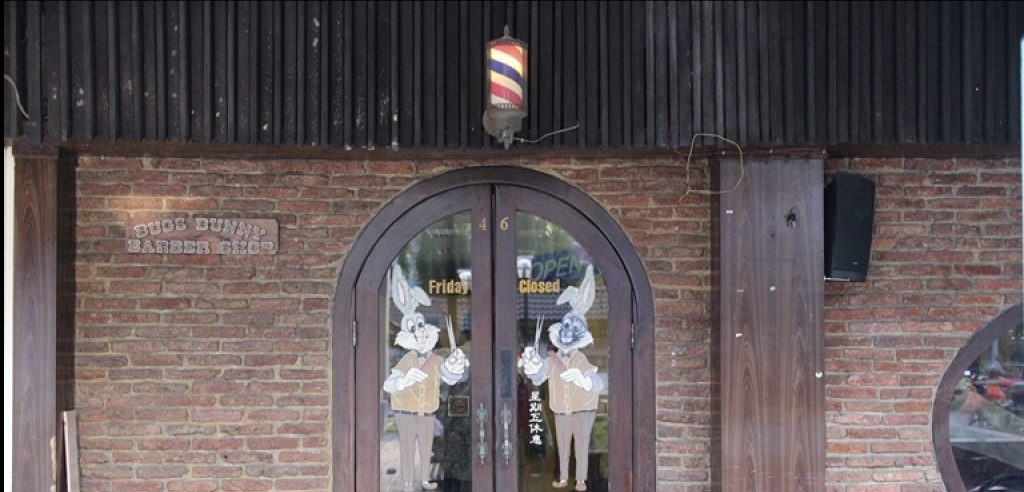
One of the most charming examples is Bugs Bunny Barber Shop in Toa Payoh. Established in the early 1960s and relocated to Toa Payoh in 1971, the barber shop has quietly served generations of residents.
In many ways it reflects the story of Singapore’s early public housing towns. As Toa Payoh developed into one of the country’s first HDB estates, small businesses like this barber shop became part of the neighborhood routine. Customers who once visited as children later returned as adults, bringing their own families along.
Food Heritage That Still Lives On
Food businesses also hold a special place in Singapore’s collective memory. Chin Mee Chin Confectionery, founded in 1925 in the Katong area, is one of the most beloved examples. The shop is known for traditional kaya toast breakfasts, coffee, and old-style pastries. Walking inside feels like stepping into another era, where simple recipes and familiar flavors still attract locals and curious visitors alike.
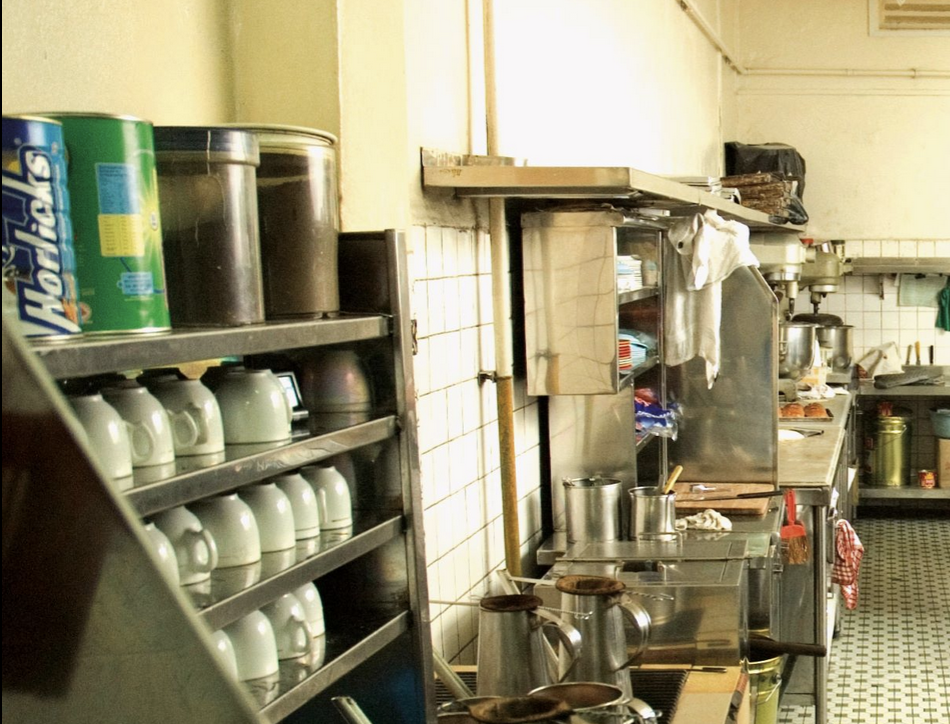
Nearby in Joo Chiat, Kway Guan Huat Popiah continues a family craft that dates back to 1938. Unlike mass-produced versions, the popiah skins here are handmade using traditional techniques. The business has remained within the same family across generations, showing how culinary knowledge can be passed down like an heirloom.
In Chinatown, Tong Heng stands as one of the city’s oldest pastry shops. Its famous egg tarts and Chinese pastries have been enjoyed by customers for decades. The shop’s long history mirrors the development of Chinatown itself, from a bustling immigrant district to a heritage destination.

Traditional Trades That Continue Quietly
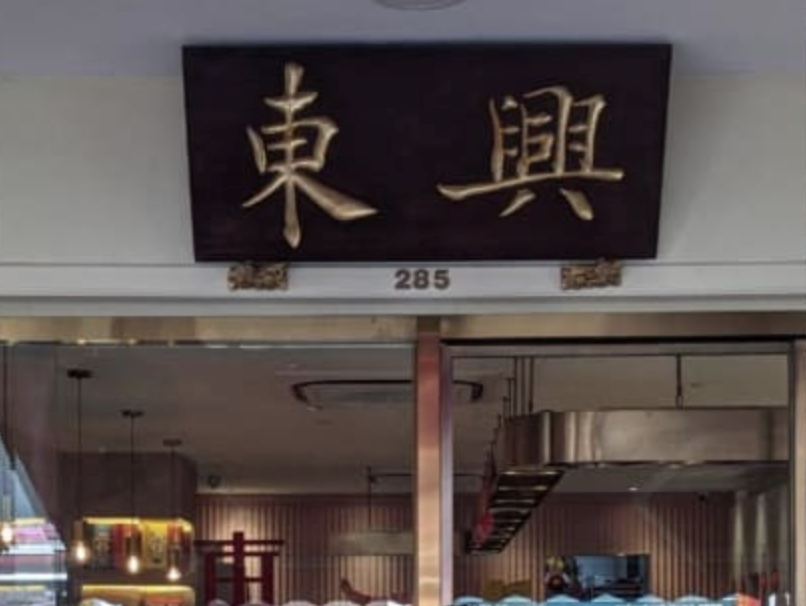
Not all historical GoXpots revolve around food. Some represent trades that were once common but are now rare. Teong Theng Co, a rattan and cane furniture maker established in 1945, is one such example. Located in the Joo Chiat area, it reflects a time when handmade furniture shops were a normal part of Singapore’s streetscape.
Other specialized businesses include Leong Poh Kee, a watch retailer established in 1931, and Sin Hin Chuan Kee, a haberdashery supplying sewing materials since the 1960s. Each of these shops represents a niche trade that has quietly survived modernization.
Kim Poh Hong Goldsmith, founded in 1938, is another important example. Known for crafting traditional Peranakan jewelry, the business continues to preserve a unique style of jewelry craftsmanship tied to Singapore’s multicultural heritage, even after relocation due to redevelopment.

Little India’s Living Commercial Heritage
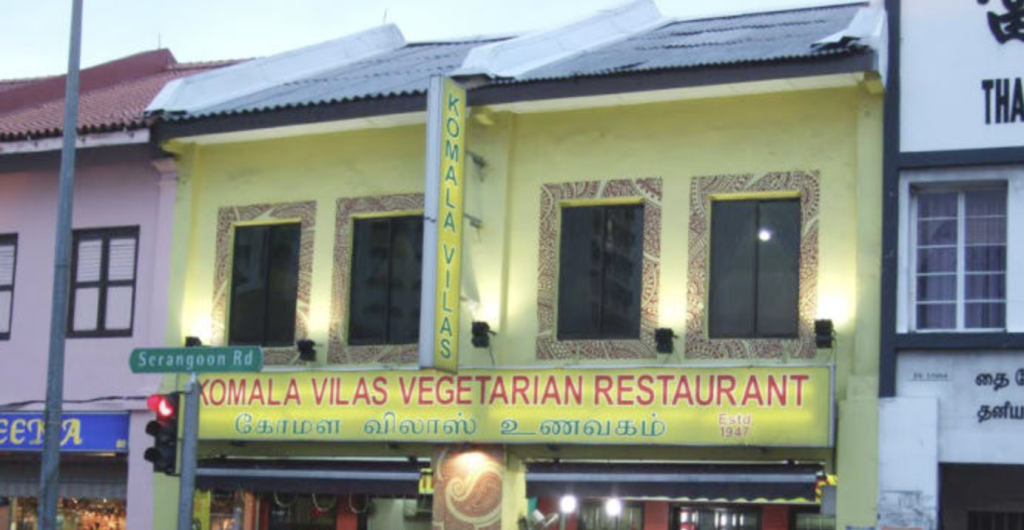
Little India offers several historical businesses that show how communities preserved their traditions while adapting to modern Singapore. Ananda Bhavan, founded in 1924, is among the oldest Indian vegetarian restaurants in the country. Nearby, Komala Vilas, established in 1947, continues to serve South Indian meals that have remained popular with both locals and visitors.
Retail heritage is also visible in this district. Haniffa Textiles, founded in 1962, has become a recognizable part of the Serangoon Road shopping scene. Similarly, Jothi Store and Flower Shop has long provided religious items and garlands used in temple rituals. These businesses highlight how commerce and culture often intertwine in neighborhood life.
Another interesting example is Gan Lian Seng, a traditional provision shop in the Little India area. Such stores once supplied everyday household items before large supermarkets became common. Though many have disappeared, a few still survive as reminders of earlier shopping habits.
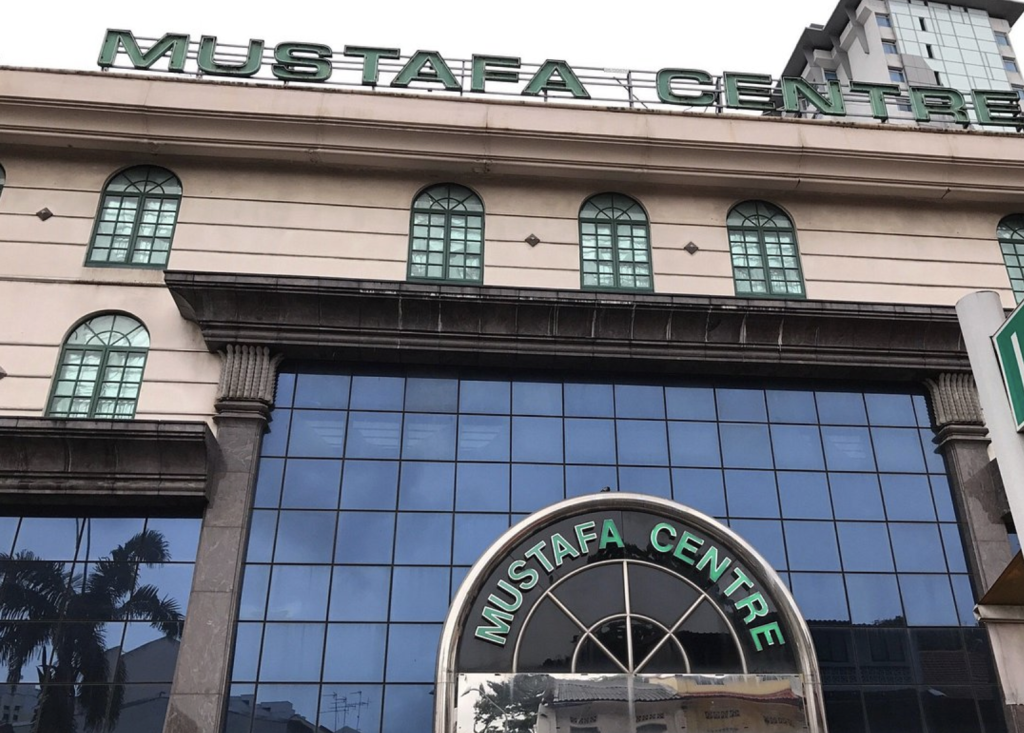
Even large institutions can have humble origins. Mustafa Centre, now famous as a 24-hour shopping complex, traces its beginnings to a small textile shop in the 1950s. Over time it expanded into one of Singapore’s most recognizable retail landmarks.

Kampong Glam and Arab Street’s Long-Standing Businesses
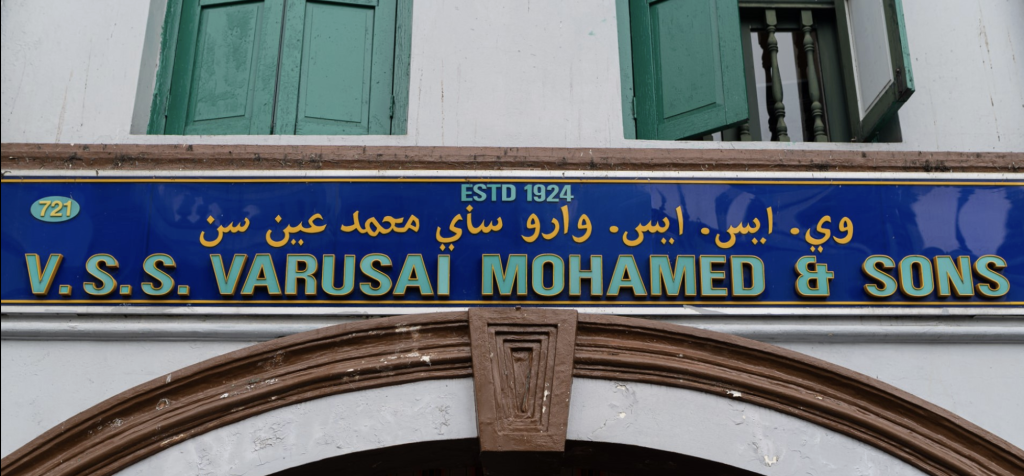
Moving toward Kampong Glam, visitors encounter businesses linked to older trade networks and cultural practices. V. S. S. Varusai Mohamed & Sons, established in 1924, specializes in products used for pilgrimage journeys. Thahirah Kazura, founded in 1933, is known for traditional perfumes and aromatic oils. Both businesses represent crafts that have continued through family succession.
The textile and craft traditions of Arab Street are reflected in shops such as Aik Bee Textile Co. and Batik Emporium, which have served fabric traders and designers for decades. Meanwhile, Habib Crafts continues to sell handmade baskets and leather goods, preserving a craft that once supported many small artisans.
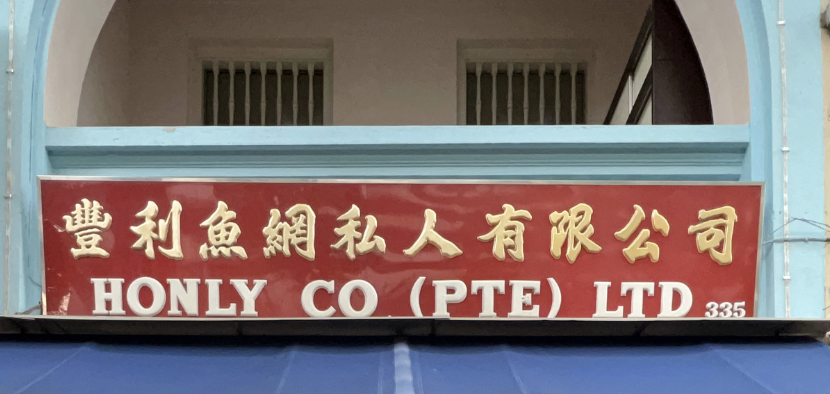
Industrial heritage can also be found along Beach Road. Honly Company, established in 1970, sells marine equipment such as ropes and nets. This trade reflects the area’s earlier connection to shipping and maritime industries, long before the neighborhood evolved into its present form.
Everyday Places as Heritage Landmarks
Taken together, these twenty businesses show how history is not limited to museums or monuments. It can also be found in everyday places—a barber chair, a pastry counter, a textile shop, or a family restaurant. These humble establishments connect the present to the past through simple routines and long-standing traditions.
Highlighting such historical GoXpots can help people rediscover the quieter layers of Singapore. Instead of focusing only on famous attractions, visitors and residents alike can explore neighborhoods through the businesses that have shaped them. In doing so, also preserves stories that might otherwise fade with time.
🎥 What It’s Like To Live Next To A UNESCO World Heritage Site
A glimpse into everyday life beside the Singapore Botanic Gardens — where heritage, nature, and neighbourhood living quietly meet.
📍 Bukit Timah / Cluny Area • Singapore
( credit – https://youtu.be/ylCmXmyk-Ds?si=Xh_iqpe5becO7OU7 )
Explore Singapore’s Living Heritage
Step beyond the map and experience these historical GoXpots for yourself. Tap into the SpotMe layer to discover real locations, uncover hidden stories, and navigate to places that have quietly shaped Singapore over generations.
Enable your location to find the nearest heritage spots around you, or browse the map to plan your next neighborhood journey. From traditional food to family-run crafts, each GoXpot offers a glimpse into the past—still alive today.
Start your journey now. Discover what’s near you. Rediscover Singapore differently.
Enable location to compare featured heritage areas with places near you.
Featured Heritage Areas
Loading featured areas…
Each card links to a section below and pulls its own image, video, and venue preview from the matching featured area dataset.
Neighbourhood Summary
Loading neighbourhood summary…
Katong Heritage
Loading section overview…
Your exact location isn’t shown — it is only used to estimate distance and display nearby GoXpots.
Toa Payoh Heritage
Loading section overview…
Your exact location isn’t shown — it is only used to estimate distance and display nearby GoXpots.
Little India Heritage
Loading section overview…
Your exact location isn’t shown — it is only used to estimate distance and display nearby GoXpots.
Kampong Glam Heritage
Loading section overview…
Your exact location isn’t shown — it is only used to estimate distance and display nearby GoXpots.
Chinatown Heritage
Loading section overview…
Your exact location isn’t shown — it is only used to estimate distance and display nearby GoXpots.




Leave a Reply