
Do you know!
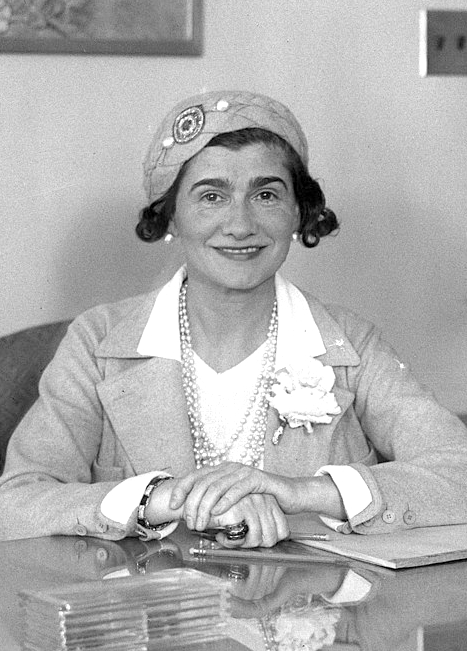
Gabrielle “Coco” Chanel is a name synonymous with timeless style and revolutionary fashion. Born in 1883 in Saumur, France, Coco Chanel rose from humble beginnings to redefine the standards of haute couture. Her journey, marked by resilience and innovation, has left an indelible mark on the fashion world. This blog explores the lesser-known aspects of Chanel’s history, spotlighting her iconic creations and the unique qualities that make her designs stand out.
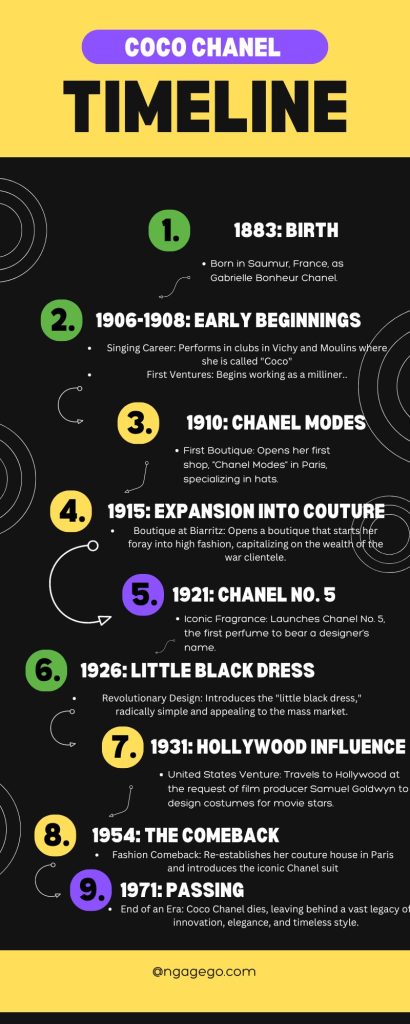
To truly appreciate the profound impact Gabrielle “Coco” Chanel had on fashion and culture, it is essential to explore her journey from humble beginnings to becoming a global icon. This timeline provides a concise overview of Chanel’s pivotal moments and milestones that shaped her career and, subsequently, the world of haute couture. Each entry highlights a step in her evolution from a young singer nicknamed “Coco” to the revolutionary designer who redefined femininity with her timeless designs and innovative ideas. Join us as we trace the footsteps of Coco Chanel through the significant events that not only crafted her legendary status but also transformed the fashion industry forever.
Coco Chanel began her career in fashion by challenging the status quo of women’s attire in the early 20th century. At a time when corsets and elaborate gowns were the norms, Chanel introduced the world to the comforts of simplicity with her jersey fabric designs. This material, previously used only for men’s underwear, was transformed under Chanel’s vision into elegant garments for women. Her philosophy was clear: “Luxury must be comfortable, otherwise it is not luxury.”
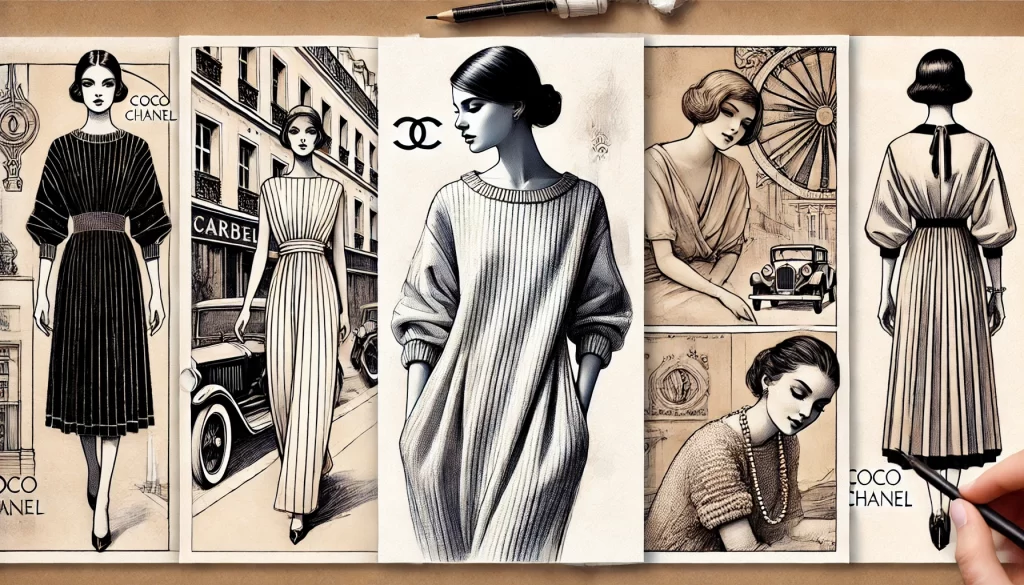
Chanel No. 5 – A Fragrant Revolution
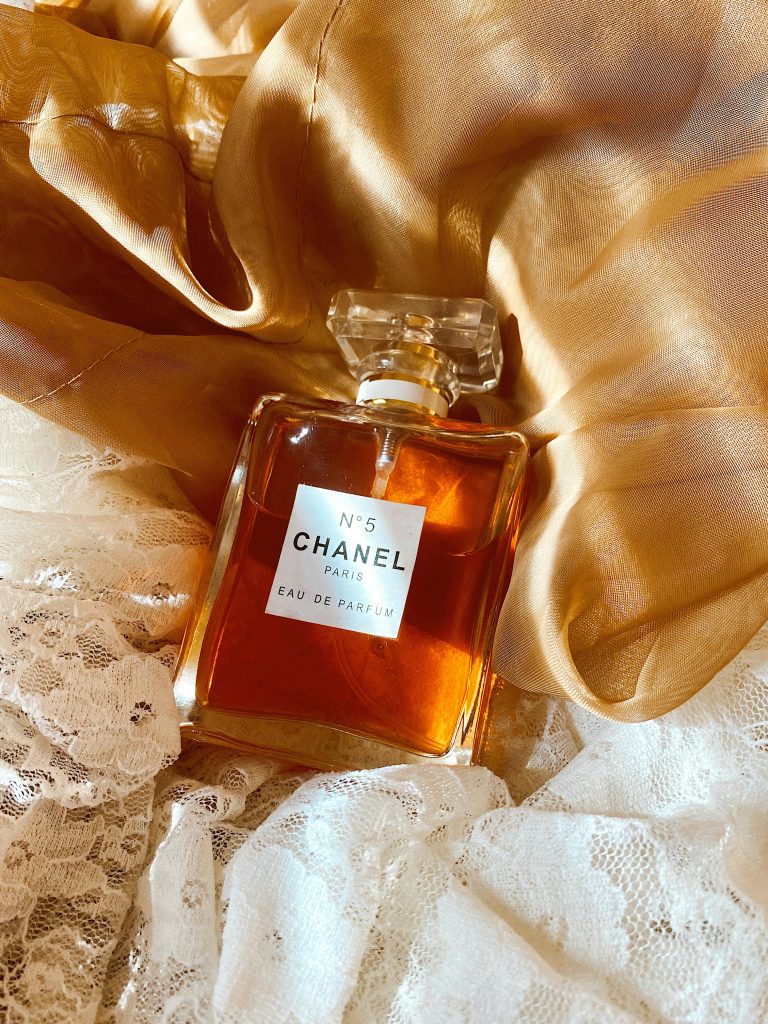
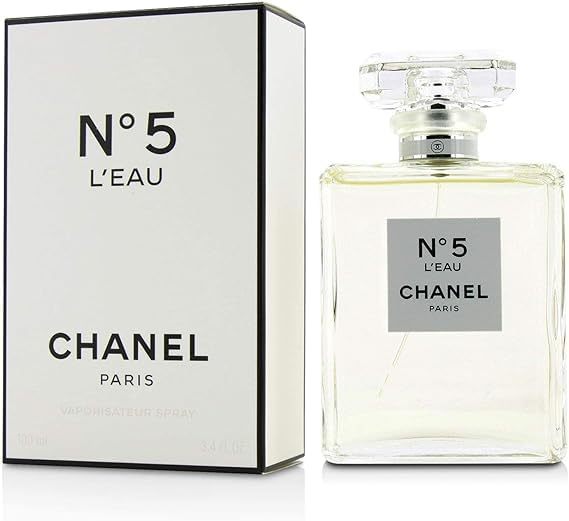
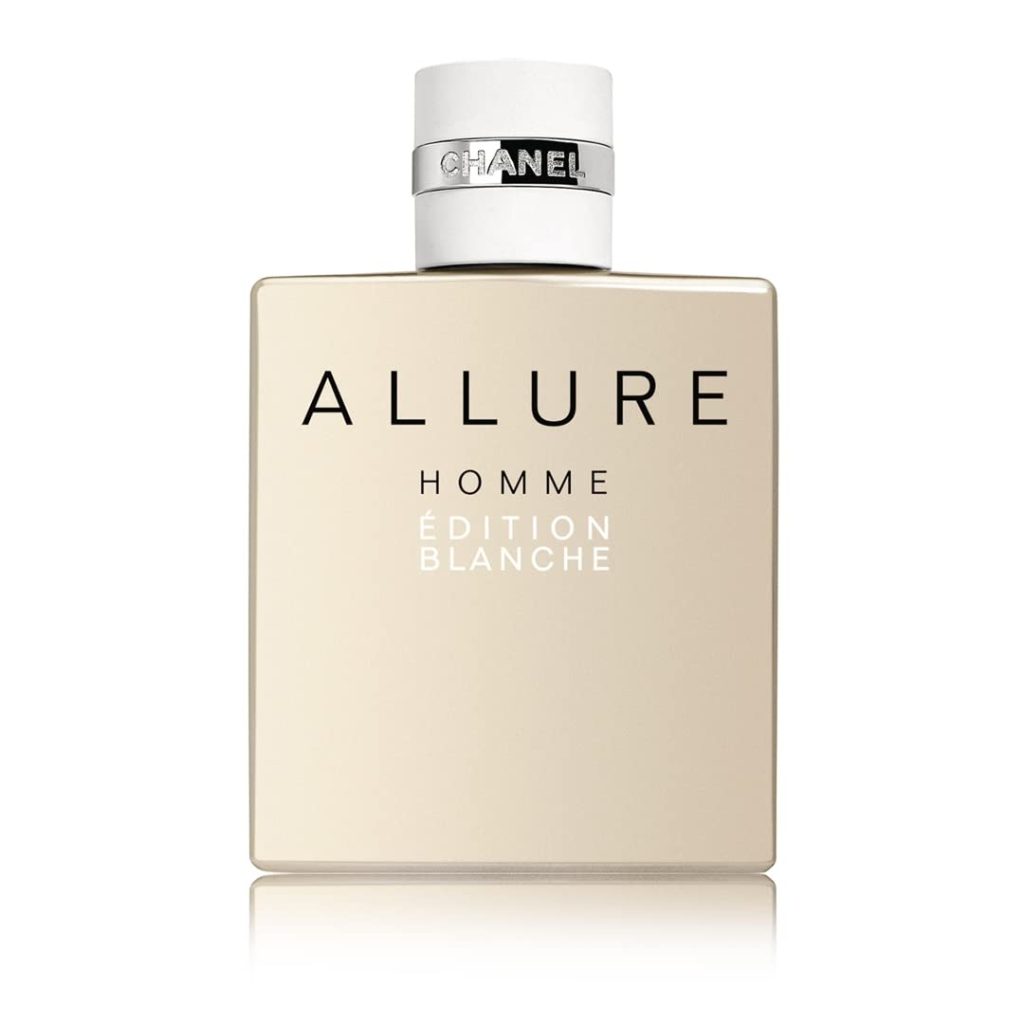
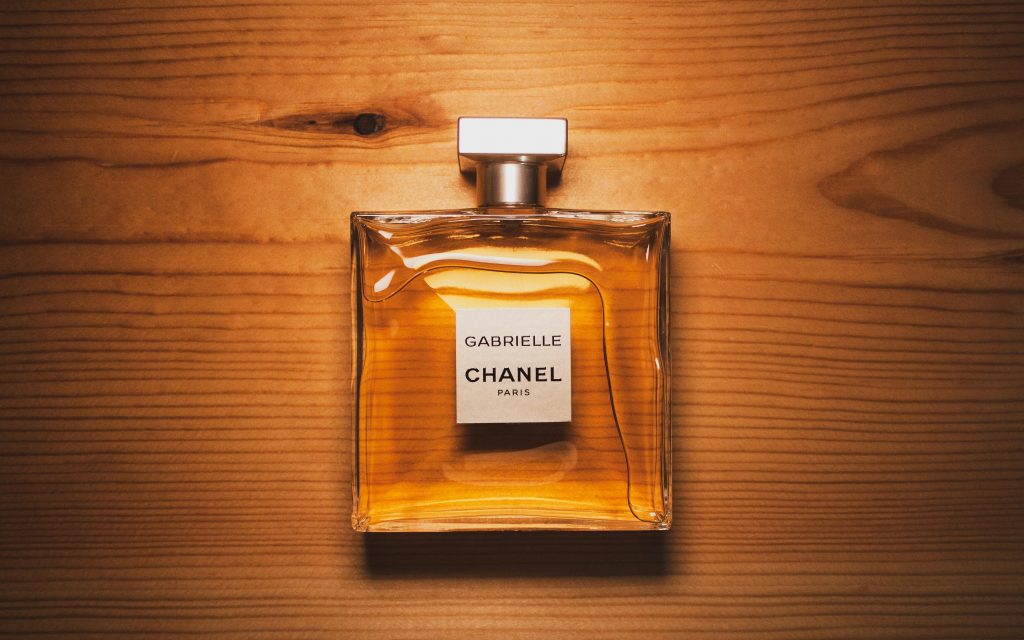
Introduced in 1921, Chanel No. 5 is perhaps the most iconic perfume in the world. Its creation story is as captivating as its scent. Coco Chanel wanted a fragrance that reflected her conception of modern femininity—abstract and unique. The result was a perfume that broke all the rules of traditional perfumery, which favored single-floral scents. Chanel No. 5 was the first to use aldehydes to add layers of complexity, creating a bouquet rich with nuances and a mysterious allure. Its success was meteoric, and it remains a top choice worldwide, renowned for its timeless sophistication and pioneering composition.
The Chanel Suit – An Emblem of Chic Sophistication

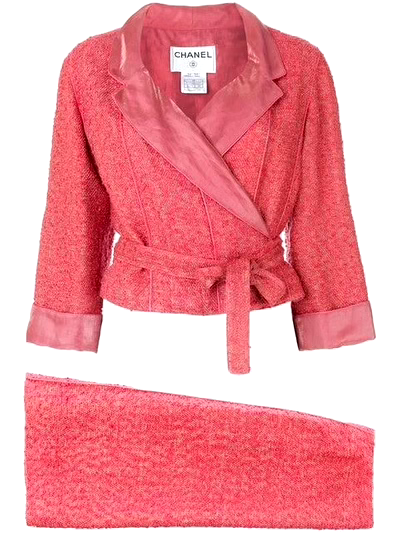
The 1950s saw the introduction of the Chanel suit, a revolutionary design that mixed comfort with elegance. The suit typically featured a knee-length skirt and a cardigan-style jacket, crafted from tweed—a material that allowed for durability and comfort. This design not only liberated women from the constraints of tight-fitting clothes but also echoed a new era of women’s empowerment. The suit became a symbol of the modern woman who values freedom but refuses to compromise on grace and poise. The tailored lines and simple yet bold aesthetic are often imitated but never duplicated, underscoring Chanel’s unique place in fashion history.
The Little Black Dress – A Universal Staple
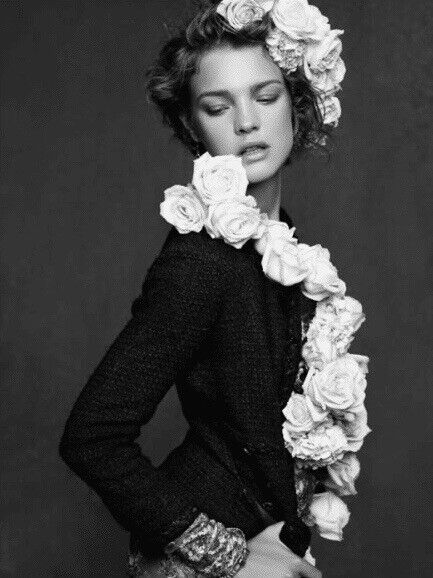
(credit from https://ebay.us/1iuzS4)
Perhaps no other garment is as universally recognized and as frequently adapted as Chanel’s “little black dress.” Introduced in 1926 and famously featured in American Vogue as a sort of “Ford” of dresses, it was accessible, affordable, and elegant. Chanel’s version was radically simple—long sleeves, a modest neckline, and a length that hit just below the knee, all crafted in sumptuous black crepe. Its beauty lies in its versatility, being suitable for nearly any occasion. The LBD, as it came to be known, exemplified Chanel’s knack for combining practicality with allure, making luxury seem effortless and approachable.
Reinventing Women’s Swimwear
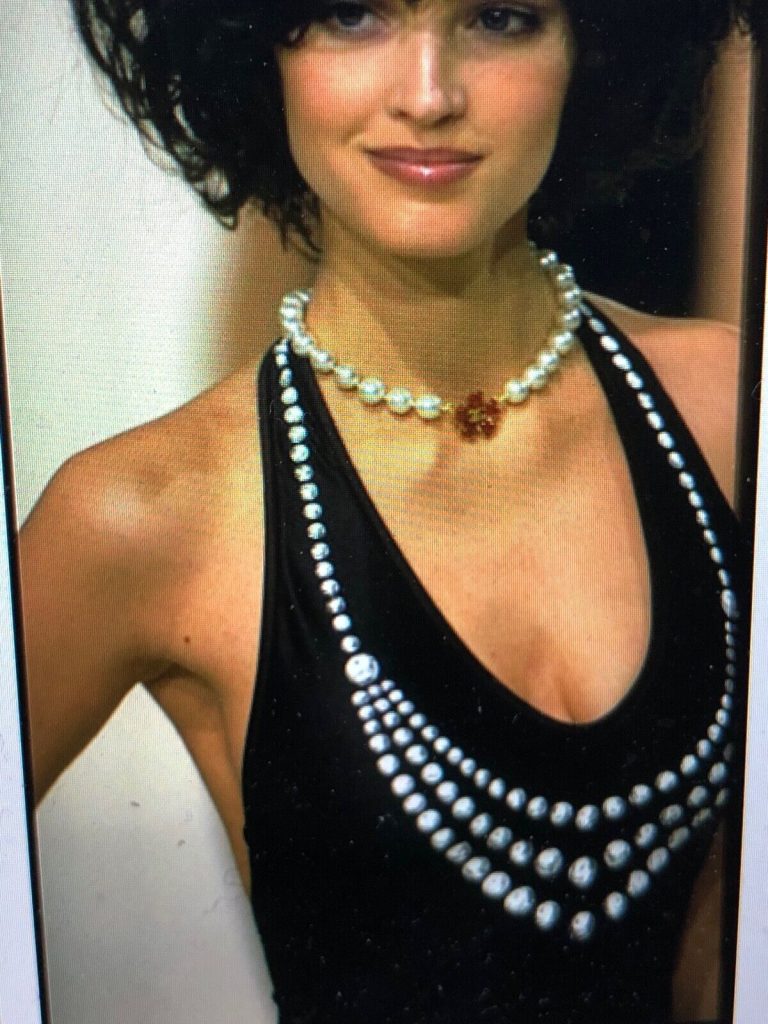
Chanel also turned her innovative eye towards women’s swimwear, redefining its style and functionality. She was one of the first designers to introduce the concept of suntans as a fashion statement, which was revolutionary at the time. Chanel’s swimwear designs were not only stylish but also practical, allowing greater freedom of movement and comfort. This was a radical departure from the restrictive swimwear of the past, procmoting a healthier, more active lifestyle for women. This shift had a profound effect on the swimwear industry, setting new standards that prioritized both form and function.
Chanel and Film
Coco Chanel’s influence extended into the film industry as well. She was involved in designing costumes for various films, which helped bridge the gap between Hollywood glamour and haute couture. Chanel’s involvement in the movie “Le Train Bleu” in 1924 is a notable example, where her costumes showcased her signature style of elegance and simplicity. This venture not only highlighted her versatility as a designer but also cemented her status as a trendsetter in an era when the worlds of fashion and film began to intertwine more closely.
Specialty and Innovation
Chanel’s speciality was her ability to anticipate and dictate the needs of the modern woman. She was not just creating clothes; she was creating a lifestyle. Her products carried the essence of freedom—freedom of movement, freedom from conventions, and freedom to express oneself through fashion. She introduced the concept of costume jewelry, making it fashionable to wear pieces that were not necessarily from precious metals or stones, thereby making style accessible to a broader audience.
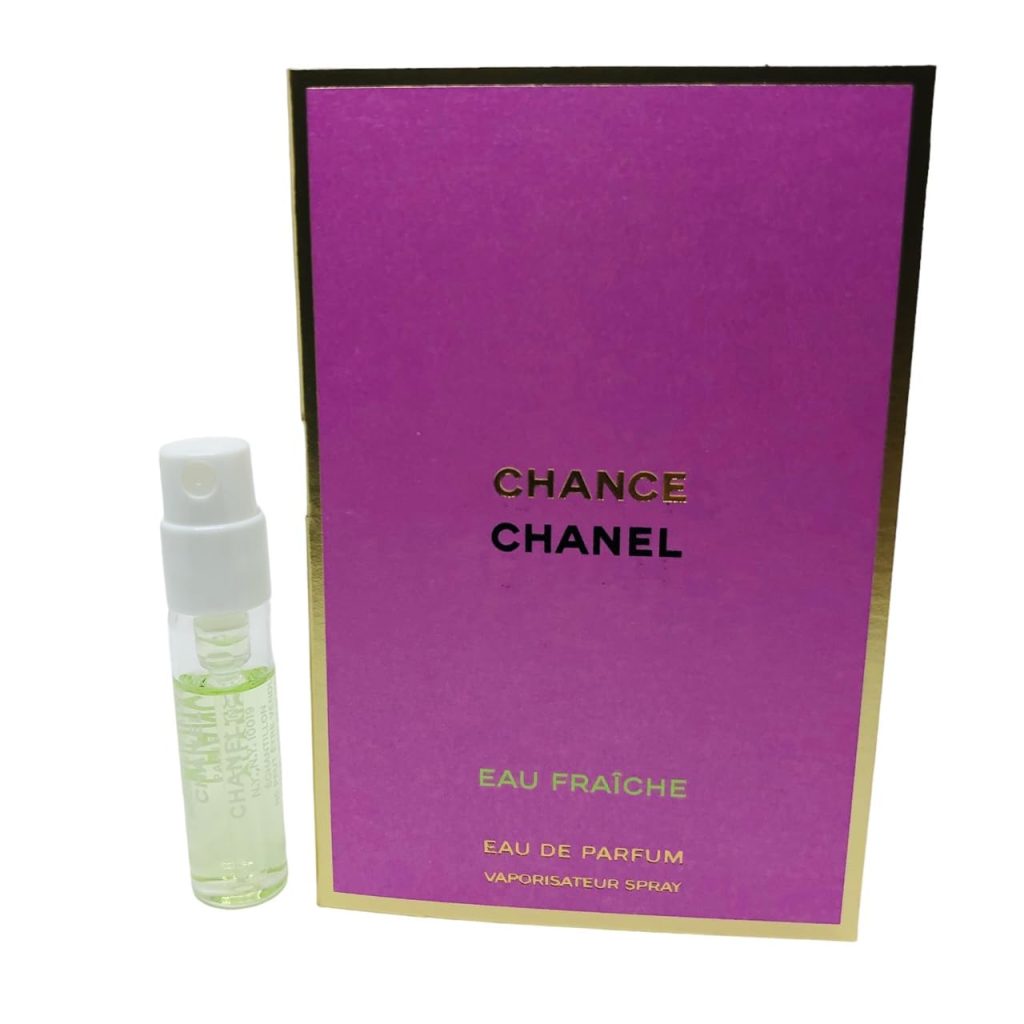
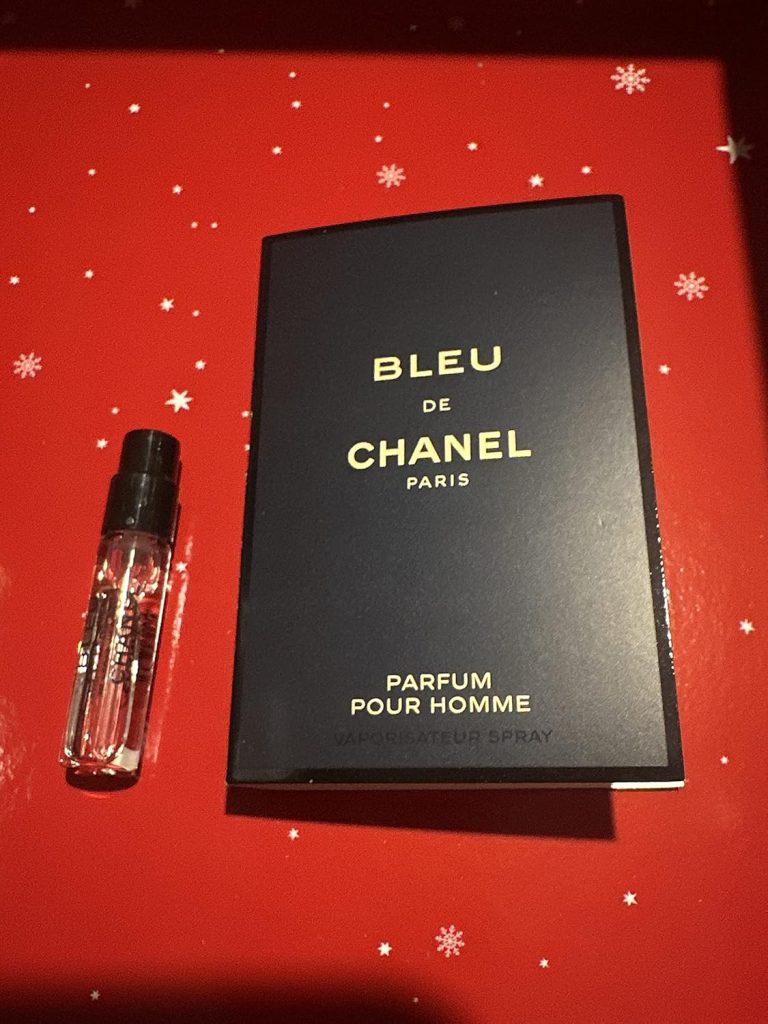
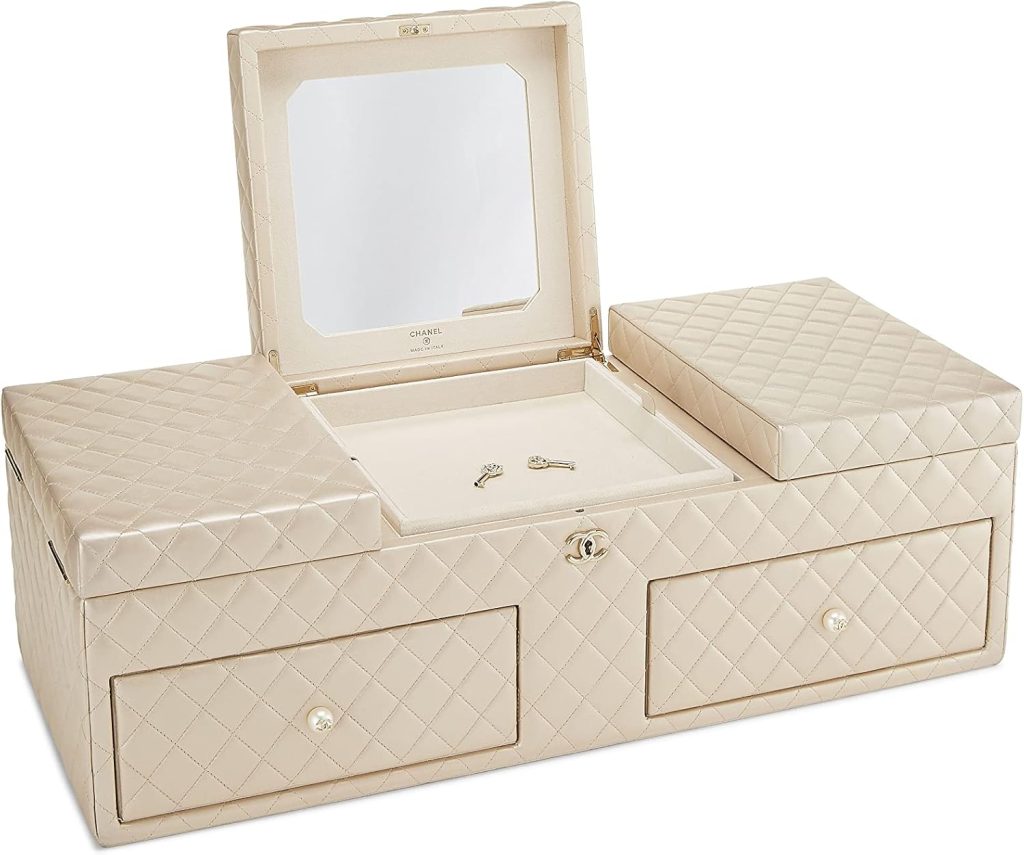
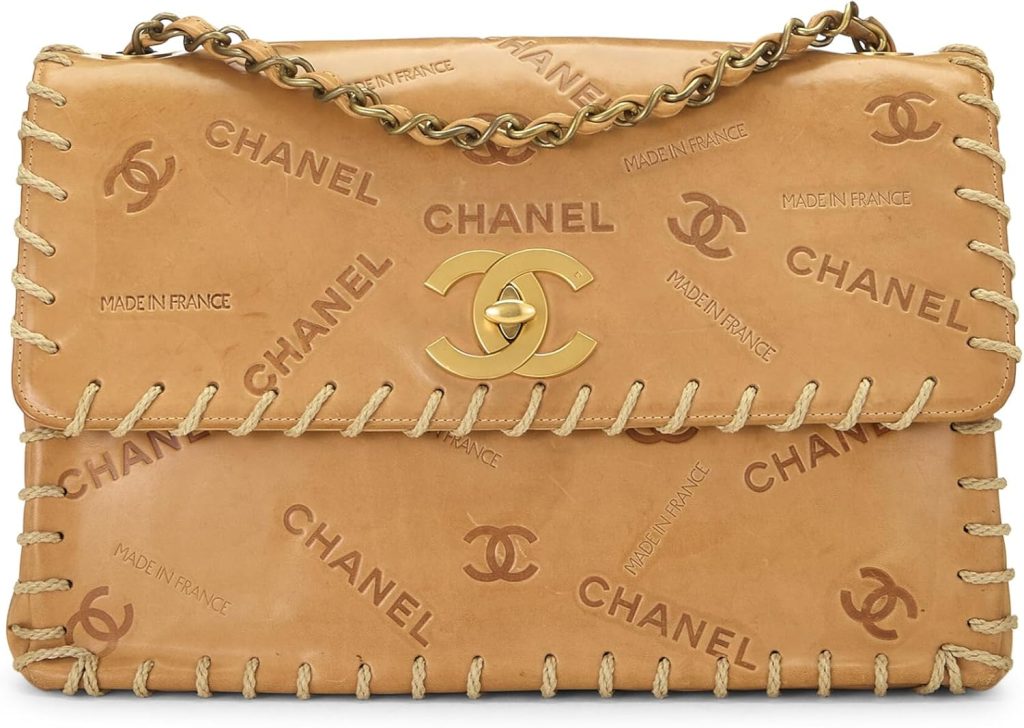
Each Chanel product carries with it a piece of history, an element of Coco Chanel’s revolutionary spirit. Her legacy is not just in the garments that continue to be worn but in the enduring philosophy that drives the brand: that a woman’s freedom in fashion is an integral part of her identity. This principle continues to influence designers around the world, making Chanel a perpetual beacon of innovation and elegance in the fashion industry.
Reinventing the Handbag – The Chanel 2.55
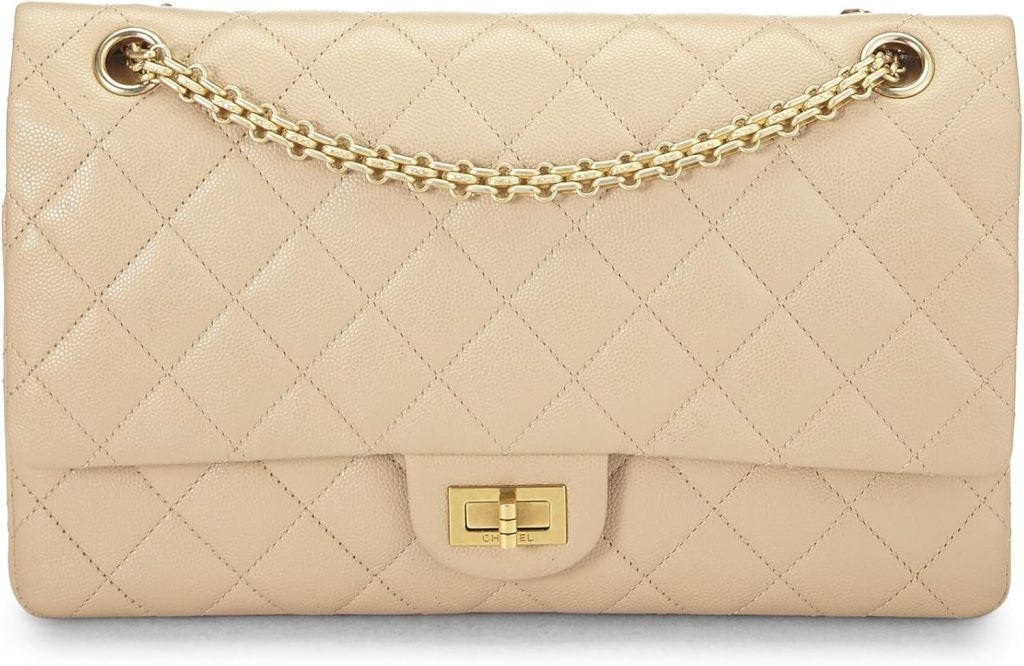
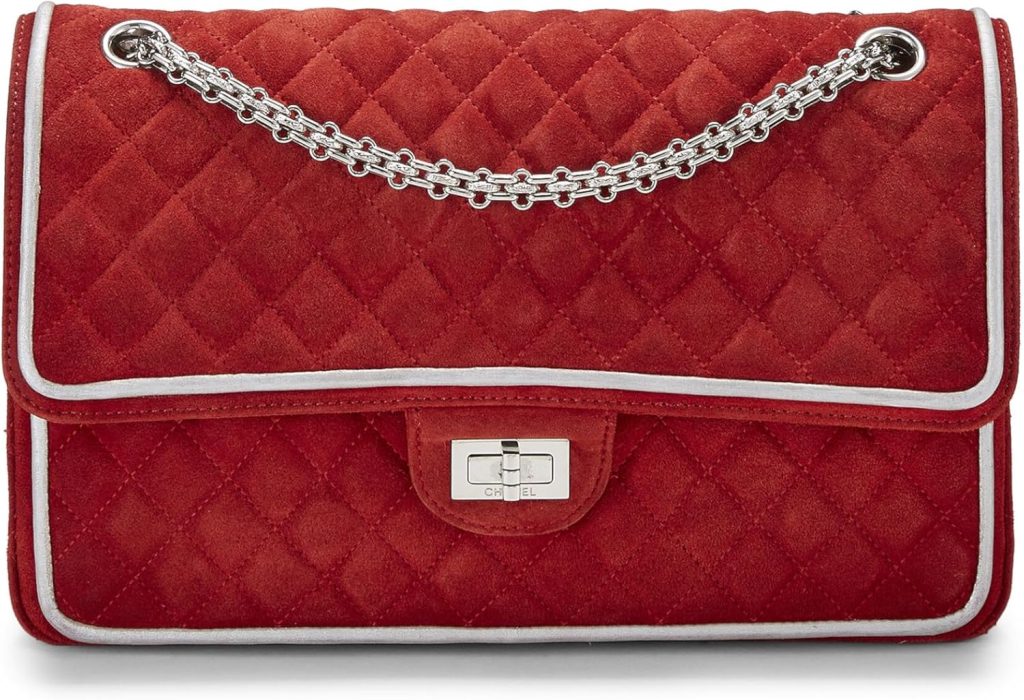
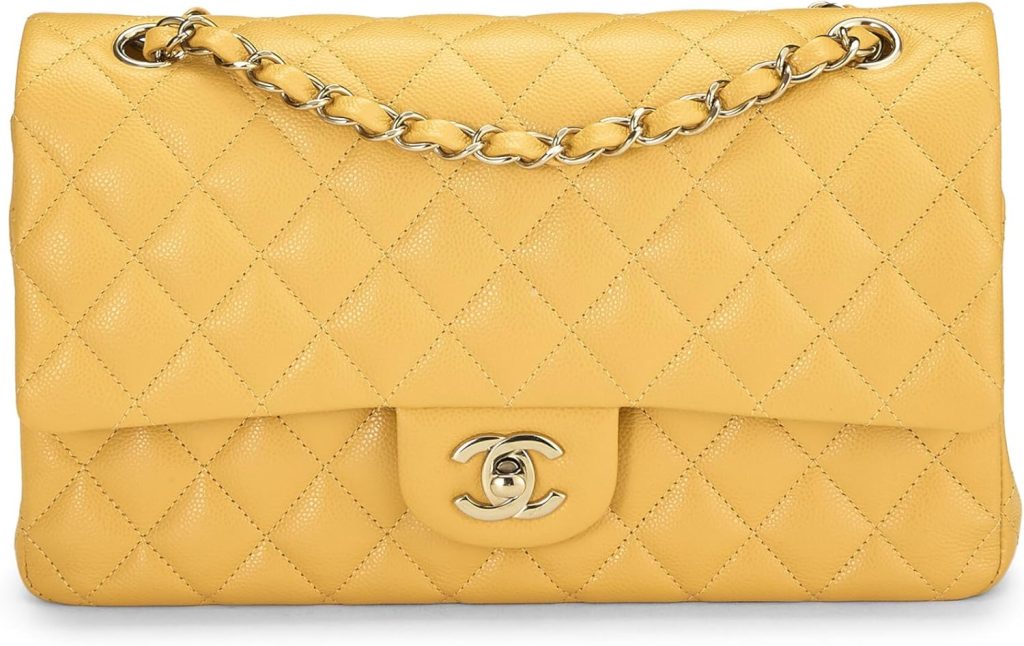
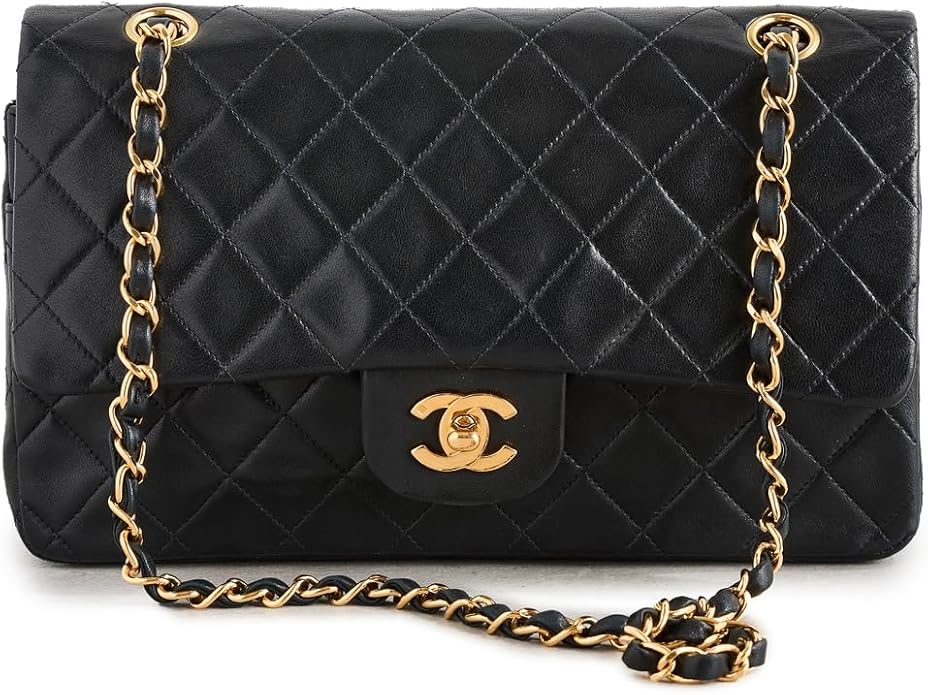
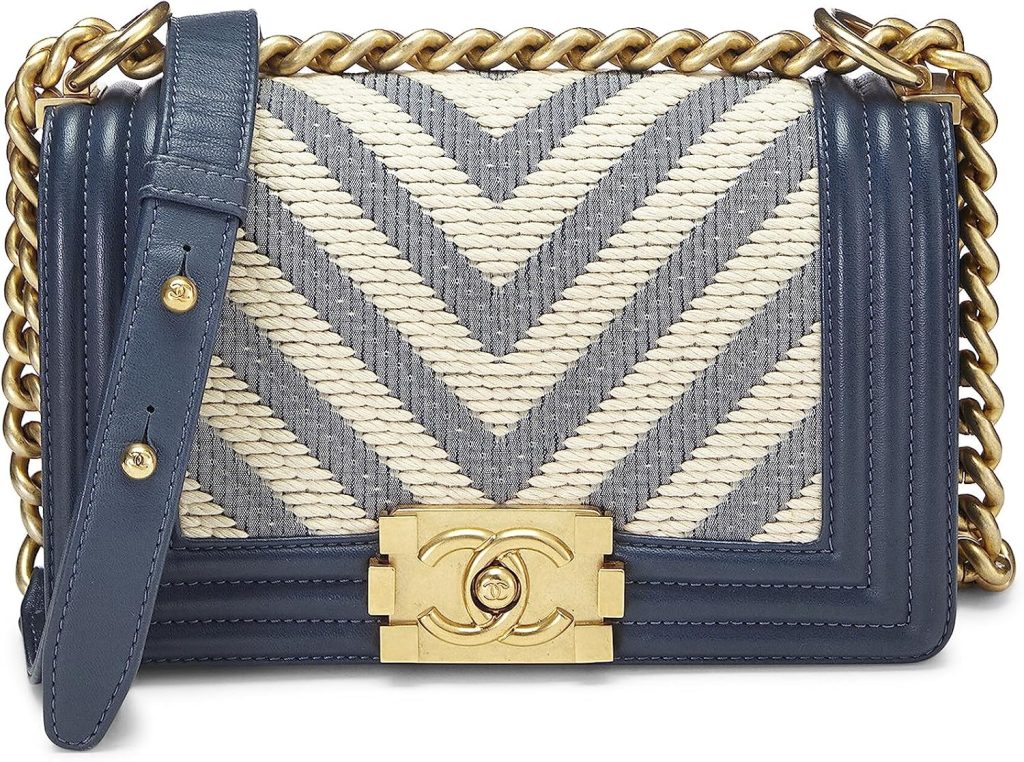
In February 1955, Coco Chanel introduced another groundbreaking accessory: the Chanel 2.55 handbag. This was not just any handbag; it was a manifestation of practicality fused with luxury. Prior to this innovation, most women’s handbags were clasp-closed and carried by hand, which was not always practical. Chanel, who was always ahead of her time, designed the 2.55 with a shoulder strap, liberating women from the need to carry their bags in their hands. This design featured a quilted leather exterior, inspired by the jackets worn by jockeys, adding a touch of equestrian flair that Chanel so dearly loved. Inside, it boasted a secret pocket where Chanel reputedly kept her love letters. The bag’s front lock, known as the “Mademoiselle Lock,” refers to the fact that Chanel never married. The 2.55 remains a symbol of timeless elegance and is a staple in the wardrobe of the fashion-conscious.
Chanel’s Impact on Jewelry – Democratizing Luxury
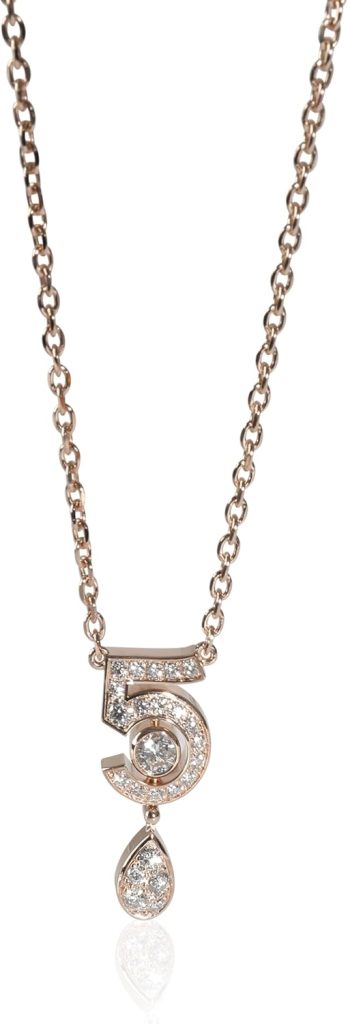
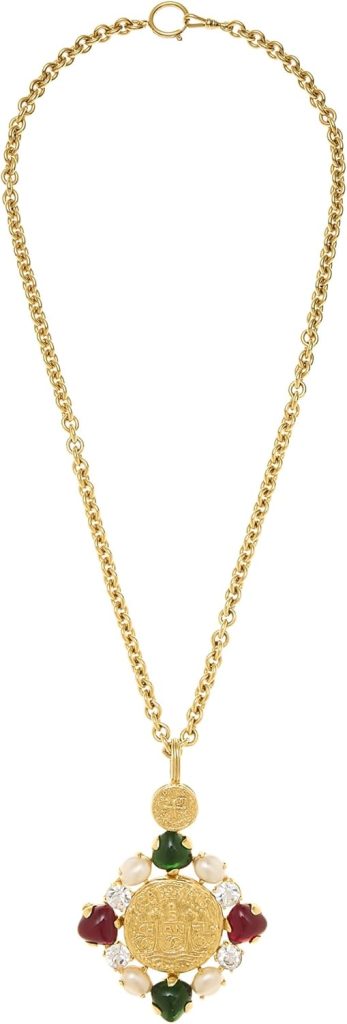
Necklace, Gold (credit from https://amzn.to/41iEKtX)
Coco Chanel was also instrumental in popularizing costume jewelry, changing the fashion landscape forever. She mixed real gems with fake pearls and stones, asserting that the fun of jewelry came not from the price of the stones, but from the artistry with which it was made. Chanel’s costume jewelry allowed women to accessorize lavishly without the need for significant investments, democratizing luxury and enabling more women to indulge in fashion-forward pieces. These pieces were bold, designed to make a statement and complement the simplicity of her clothing designs, illustrating Chanel’s masterful understanding of balance in fashion.
Pioneering Gender Fluid Fashion
Beyond her tangible creations, Coco Chanel’s impact extends into the conceptual realm of fashion, notably her contributions to gender fluid fashion. Chanel borrowed elements from men’s wardrobes, integrating them into women’s fashion in a way that was both subtle and transformative. She introduced women to the comfort and functionality of men’s clothing, making it not only acceptable but chic for women to wear trousers and blazers. This blurring of gender boundaries in fashion was revolutionary at the time and has left a lasting influence on how contemporary fashion perceives gender norms.
Chanel and the Arts
Coco Chanel’s influence also permeated the arts. She was a patron of the arts and had relationships with some of the leading figures of the 20th century, including artists, poets, and musicians. Her friendship with Pablo Picasso and involvement with the Ballets Russes speak volumes about her connection to the avant-garde culture of her time. Chanel understood that fashion was not just about clothing; it was about culture, artistry, and expression. Her work was often inspired by these interactions, infusing her designs with a cultural richness that went beyond the fabric.
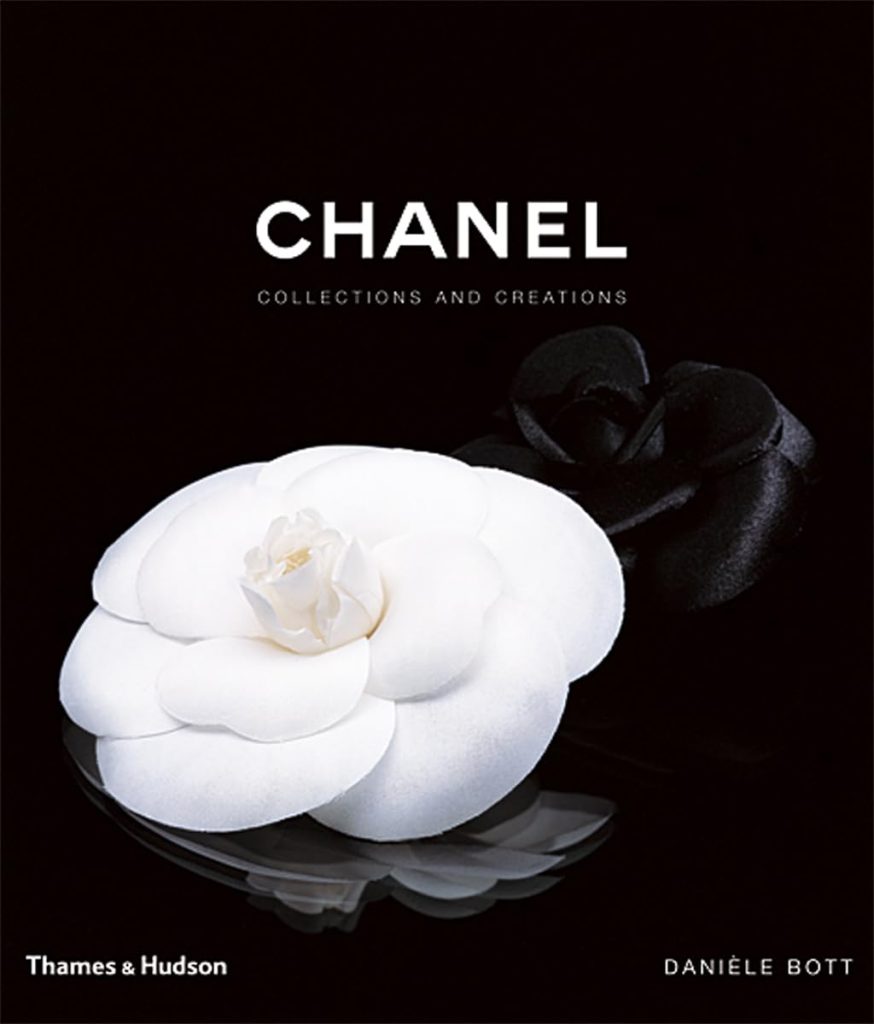
by Danièle Bott (Author)
Best Seller
20,033 ratings in Fashion Photography
The International Expansion of Chanel
Coco Chanel’s vision went beyond the borders of France, making a significant impact on international fashion. Her boutiques in cities like Biarritz and Deauville were among the first to bring high fashion to the masses, setting a precedent for the global expansion of luxury brands. Chanel’s influence can be seen in the presence of luxury boutiques worldwide today, which owe a part of their philosophy and aesthetic to her pioneering efforts.
The Legacy of a Visionary
Coco Chanel passed away in 1971, but her influence remains potent. Today, the House of Chanel continues to be a leader in the fashion industry, adhering to the innovative spirit of its founder. The brand is synonymous with high fashion and high-quality products that transcend passing trends, embodying classic elements that are both contemporary and historical.
Chanel’s life and work offer a fascinating glimpse into the world of fashion innovation. From her early days of redefining femininity with jersey fabric to her later years of refining the luxury handbag, Coco Chanel was not just a fashion designer; she was a cultural icon. Her ability to blend practicality with luxury, to democratize high fashion, and to constantly innovate within established norms laid the foundations for modern fashion philosophy.
Through Chanel’s creations, we see the power of visionary thinking and the impact of challenging the status quo. Her legacy teaches us that fashion is not just about clothes and accessories; it is about an attitude, a way of life that continues to inspire and empower. Coco Chanel did not just change fashion; she revolutionized it, leaving a legacy that continues to influence the industry and shape the way we think about style and elegance today.
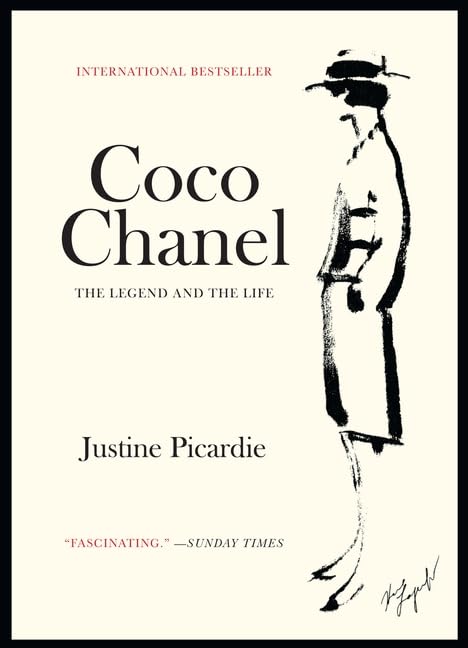
by Justine Picardie (Author)
The Modern Chanel: A Synthesis of Tradition and Innovation
Under the guidance of designers like Karl Lagerfeld and now Virginie Viard, Chanel continues to be at the forefront of fashion innovation while staying true to its heritage. The modern iterations of Chanel still reflect Coco’s ethos—combining practicality with luxury and maintaining an elegant simplicity. Today, Chanel not only adheres to the high standards set by its founder but also adapts to the changing times, ensuring that the brand remains relevant and revered in the dynamic world of fashion.
Coco Chanel’s journey from a small hat shop in Paris to a global symbol of luxury and elegance is a story of ambition, vision, and relentless innovation. Her legacy is not just in the products she created but in the bold spirit she instilled in her brand, encouraging a continuous redefinition of elegance and functionality in fashion. Coco Chanel’s story and her creations continue to inspire, making her one of the most enduring figures in the history of fashion.
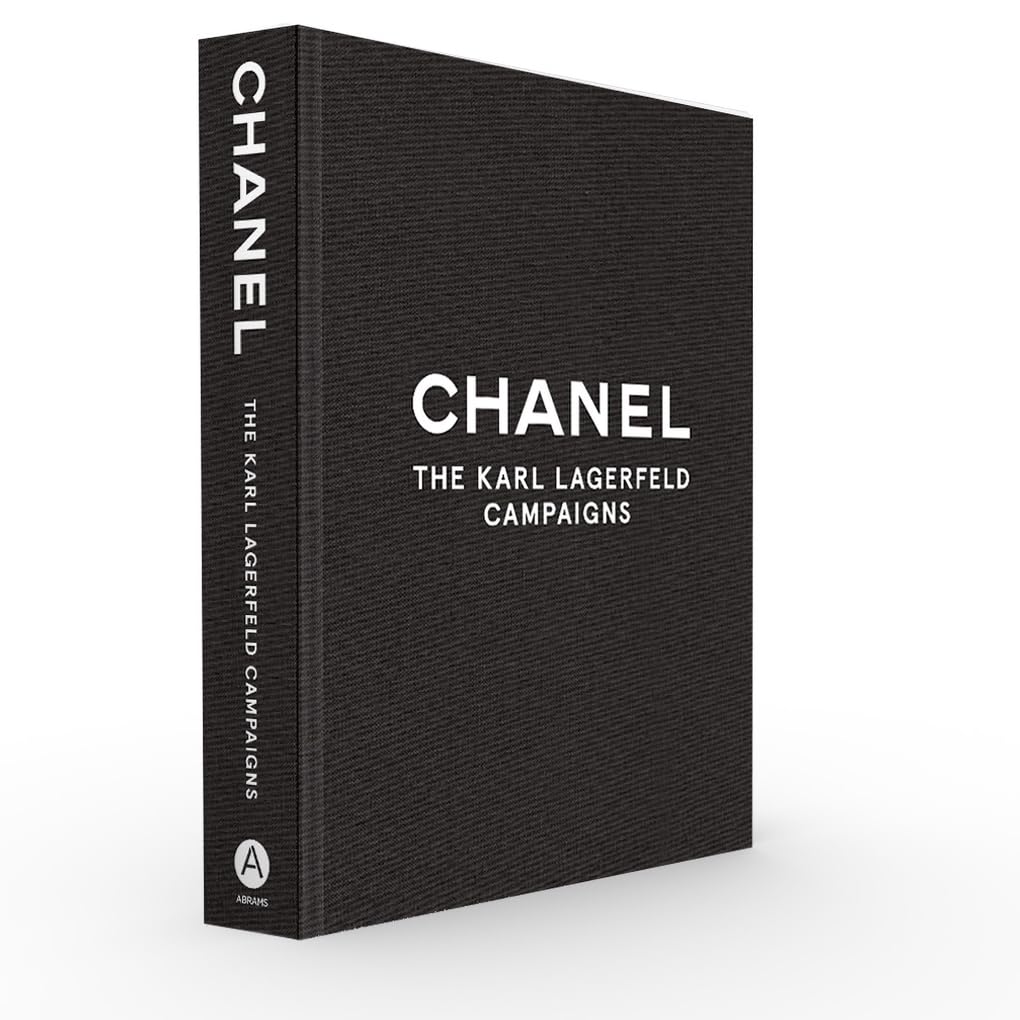
by Patrick Mauriès (Author), Karl Lagerfeld (Photographer)
Innovations in Fabric and Form
Chanel’s innovations were not limited to design alone; she also pioneered new uses of fabric. Aside from transforming the use of jersey, Chanel was among the first to popularize the use of tweed—a fabric then primarily associated with menswear—for women’s clothing. Her ability to take a sturdy, traditionally male fabric and turn it into a symbol of female elegance and comfort was a feat of creative genius. Chanel’s suits and dresses softened the rigidity of tweed, making it both fashionable and functional for everyday wear.
Global Influence and Contemporary Relevance
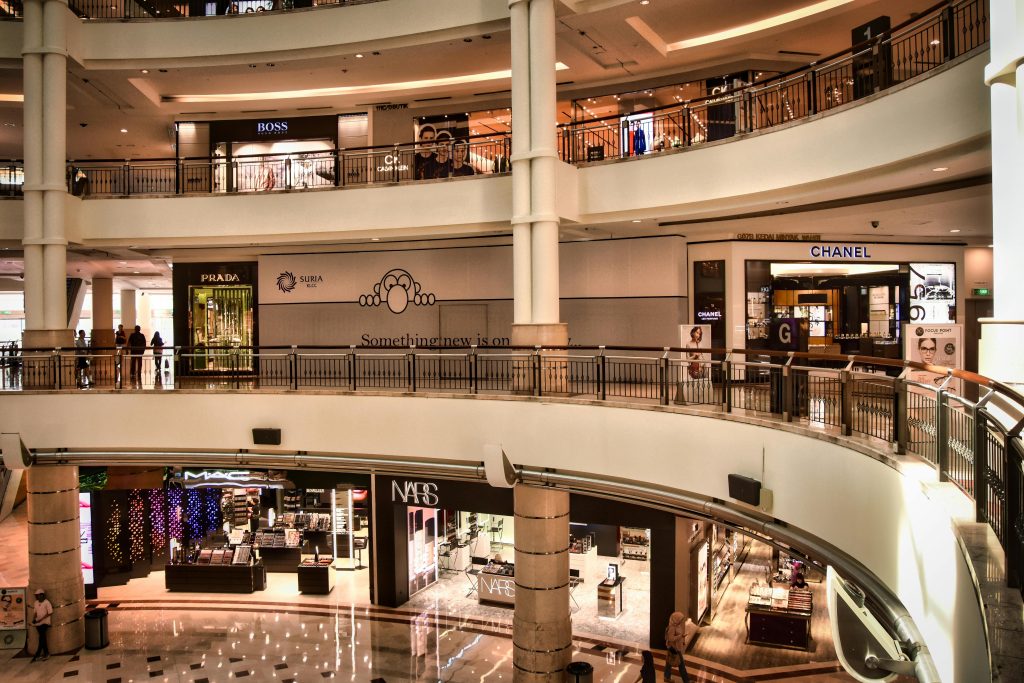
Today, Chanel is more than just a brand; it is a global icon that represents luxury and innovation. Its influence extends beyond fashion, touching upon issues of feminism, art, and culture. The brand’s ability to stay relevant in a fast-evolving world is testament to the solid foundations laid by Coco Chanel. Modern designers at Chanel continue to draw inspiration from her original visions, reinterpreting them in ways that resonate with today’s diverse and dynamic audiences.
Coco Chanel’s Enduring Legacy
by Justine Picardie (Author)
The hidden history of Coco Chanel reveals a woman who was not only ahead of her time but also deeply influential in shaping the course of modern fashion. Her commitment to comfort, luxury, and simplicity created a fashion philosophy that continues to guide Chanel today. Her designs were revolutionary, her influence was profound, and her legacy is enduring. As we look at the world of fashion today, it is clear that Coco Chanel’s spirit—a blend of boldness, innovation, and timeless elegance—is as alive as ever, continuing to inspire fashion lovers and designers around the world.
Coco Chanel once said, “Fashion fades, only style remains the same.” Through her innovative designs and revolutionary ideas, Chanel has ensured that her style—and her mark on fashion—will remain forever.
Chanel’s Costume Jewelry: Accessible Glamour
Coco Chanel was not just about clothing and fragrances; her introduction of costume jewelry in the 1920s made a significant cultural impact by challenging the norms of the jewelry industry. Chanel believed that jewelry should not be solely a symbol of wealth but a form of expression accessible to everyone. She introduced designs that mixed fake pearls and glass with real gemstones, creating pieces that were both beautiful and more accessible. This democratization of luxury resonated with a broader audience, allowing more women to partake in the glamour traditionally reserved for the elite. This movement towards accessible luxury is a testament to her forward-thinking approach, which continues to influence the fashion industry today.




Leave a Reply