

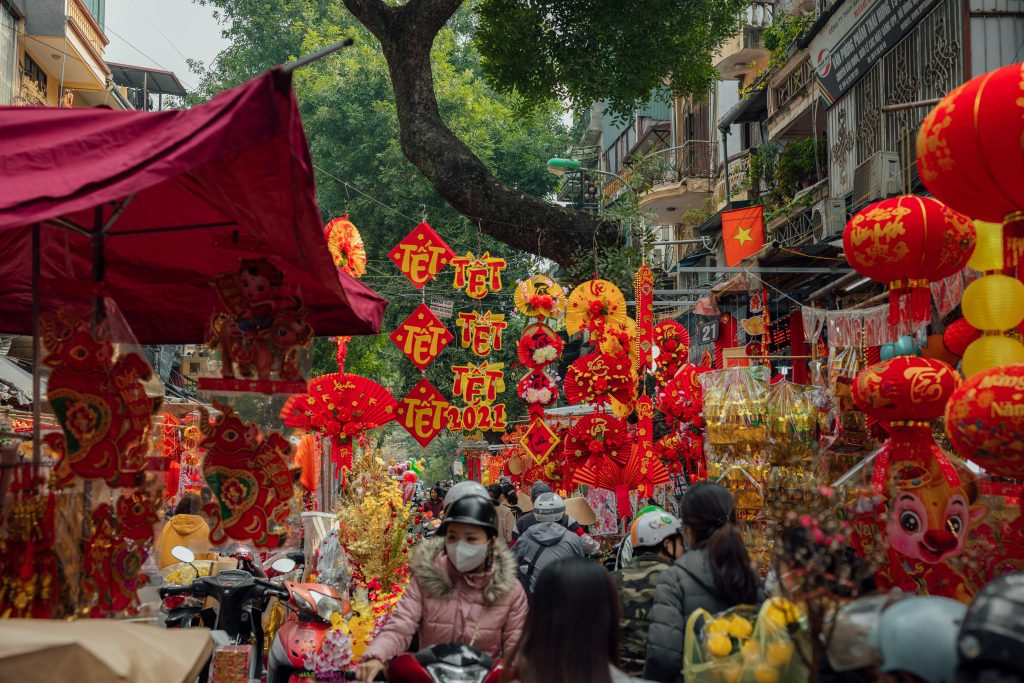
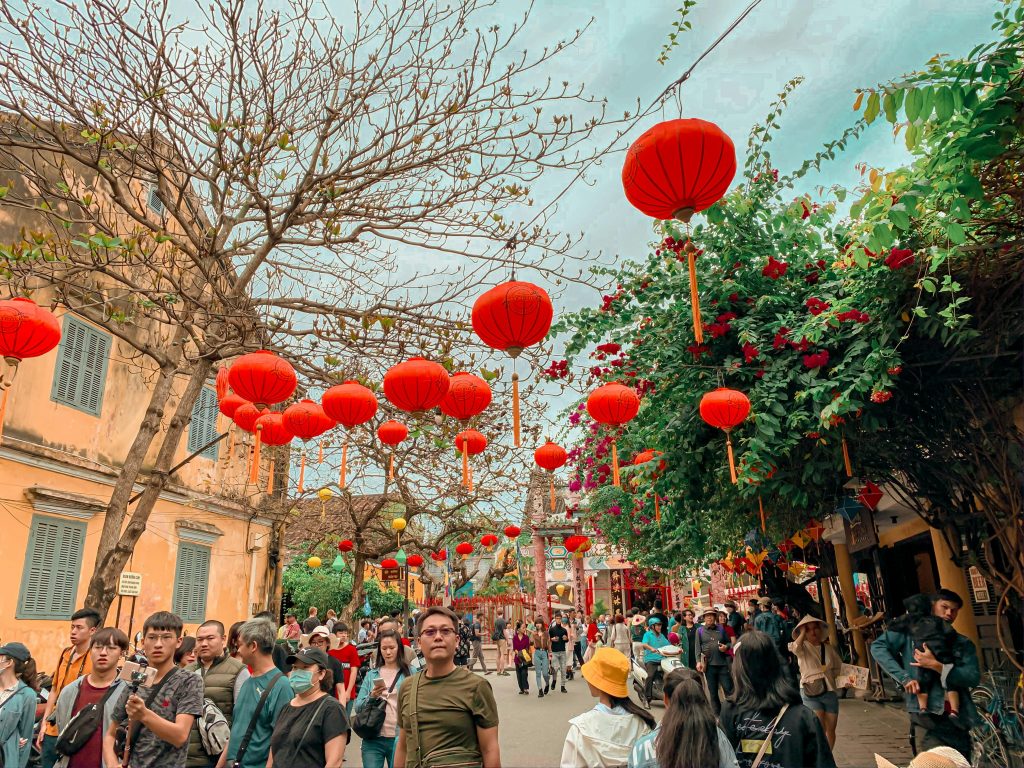
Delving further into the traditional practices and regional variations of Lunar New Year, it’s fascinating to see how different customs reflect the local cultures, climates, and histories of each area. These variations not only enrich the celebration but also highlight the diversity within Chinese communities worldwide.
Singapore: A Culinary Feast
In Singapore, where large Chinese communities celebrate the Lunar New Year, the festival is a culinary extravaganza. The signature dish is “Yusheng,” a raw fish salad which is tossed high in the air with chopsticks by diners who make wishes for the coming year. This “prosperity toss” is believed to increase one’s fortunes in the upcoming year.
These nations also celebrate with the “Chingay Parade,” a vibrant and colorful street parade that features floats, dancing dragons, and traditional performers. It’s a significant event that highlights the multicultural makeup of these countries, incorporating Malay and Indian elements into the Chinese festivities.
Southern China: Guangdong and Hong Kong
In the southern regions, particularly in Guangdong province and Hong Kong, the celebration of Lunar New Year is marked by the Cantonese tradition of the “Flower Market.” Here, families flock to bustling markets to buy flowers and plants, believing these bring growth, prosperity, and luck. The choice of plants is symbolic—orchids signify refinement and beauty, while bamboo shoots represent strength and growth.
Food in Southern China also takes a unique turn during the festival. Dim sum, a variety of steamed or fried bite-sized dishes, is particularly popular. Another significant dish is the ‘poon choi’, a layered bowl of meats and vegetables, symbolizing abundance and togetherness. This dish is a communal feast, reflecting the region’s emphasis on family unity.
Eastern China: Shanghai and Jiangnan
In the eastern regions, such as Shanghai and the Jiangnan area, Lunar New Year traditions blend the old with the new. The area is known for its ‘sugar melon’, a confection that represents hope for a sweet and prosperous new year. Fish dishes are particularly prominent here, often served whole to symbolize a good beginning and end in the upcoming year.
The Lantern Festival also sees unique regional twists, with the famed ‘lantern riddles’. Paper lanterns are not only decorative but also a medium for entertainment. Riddles are written on lanterns, and passers-by attempt to solve them, with small prizes often offered as incentives.
Northern China: Beijing and the Northeast
In Northern China, especially around Beijing and the northeastern provinces, the climate dictates more hearty fare. Dumplings are the centerpiece of nearly every meal during the festival, symbolizing wealth and resembling the gold and silver ingots used during ancient times. It’s traditional for families to gather together on Lunar New Year’s Eve to make dumplings, a practice that binds family members together in anticipation of the new year.
Another notable practice is the Ice Lantern Festival seen in Harbin, where the bitter cold of winter is transformed into a spectacle of beauty with intricately carved ice sculptures and lanterns, illuminating the long nights.
Western China: Sichuan and Yunnan
The rugged terrain and ethnic diversity of Western China bring even more variety to the New Year celebrations. In Sichuan, the festivities are loud and lively, with firecrackers and spicy food taking center stage to ward off the cold and any lurking bad spirits. Yunnan, with its large number of ethnic minorities, sees a blend of Chinese and local tribal traditions, with dances and music reflecting a rich cultural tapestry.
Taiwan: A Blend of Old and New
In Taiwan, Lunar New Year is celebrated with a unique blend of traditions and modernity. The island is known for its vibrant temple festivals, where locals visit ornate temples to pray for good fortune from gods and ancestors. The streets come alive with traditional music and dance, including the famous Taiwanese puppet shows and drumming performances.
One distinct Taiwanese tradition is the giving of pineapple cakes as gifts, which symbolize wealth due to the word “pineapple” sounding similar to “prosperity arrives” in the local dialect. The New Year markets in Taiwan also stand out for their variety, offering everything from traditional crafts to modern gadgets.
The Influence of the Diaspora
Overseas, Lunar New Year adapts to the local environments while maintaining core traditions. In countries like Malaysia, Singapore, and the United States, the festival includes elements like parades featuring dragon and lion dances, martial arts, and other cultural performances, drawing in diverse crowds and fostering a multicultural appreciation of the Spring Festival.
These regional variations and diaspora influences showcase the adaptability and enduring appeal of Lunar New Year traditions. Each locality adds its own flavor to the celebration, ensuring that each festival is uniquely memorable, yet all share the common threads of family, renewal, and the hope for prosperity. As these traditions continue to be passed down and adapted, they serve as a vivid reminder of the rich cultural heritage and dynamic future of Chinese communities worldwide.
The Role of Language and Literature
Language and poetry also play crucial roles in the celebration of Lunar New Year. In many Chinese communities, especially those in more traditional rural areas, it is common to recite poems and share stories that reflect the themes of renewal, thanksgiving, and the honoring of ancestors. These literary traditions are not only a celebration of the Chinese language but also an educational tool, passing on values and historical knowledge to younger generations.
Technology and the Global Stage
As technology continues to advance, it is also reshaping how Lunar New Year is celebrated on the global stage. Online platforms now broadcast live events and celebrations from major cities like Beijing and Shanghai, allowing those in the diaspora to partake in the festivities virtually. Social media plays a pivotal role in these celebrations, enabling people to share their own experiences and cultural practices in real-time, creating a global tapestry of Lunar New Year celebrations.
As we reflect on the various ways Lunar New Year is celebrated around the world, it becomes evident that this festival is not just a reflection of Chinese culture but also a celebration of continuity and change. Each region, with its unique customs and innovations, contributes to the tapestry of this vibrant festival, ensuring that it remains relevant and vibrant in a rapidly changing world.
The adaptability of these traditions, combined with the unchanging themes of family, renewal, and prosperity, ensures that Lunar New Year remains a deeply cherished celebration. It not only commemorates a rich cultural heritage but also looks forward to the future, embracing new technologies and ideas while staying rooted in the values that have sustained it through centuries. As we move forward, Lunar New Year will undoubtedly continue to be a beacon of culture and community, reflecting the dynamic and diverse nature of Chinese communities around the globe.




Leave a Reply