

Exploring the Charms of Tower Bridge: London’s Iconic Landmark
Introduction
Nestled in the heart of London, Tower Bridge stands as a testament to Victorian engineering and urban design. Since its completion in 1894, it has become one of the most recognized and photographed bridges in the world. This article explores the unique features, historical significance, and cultural impact of this iconic structure.
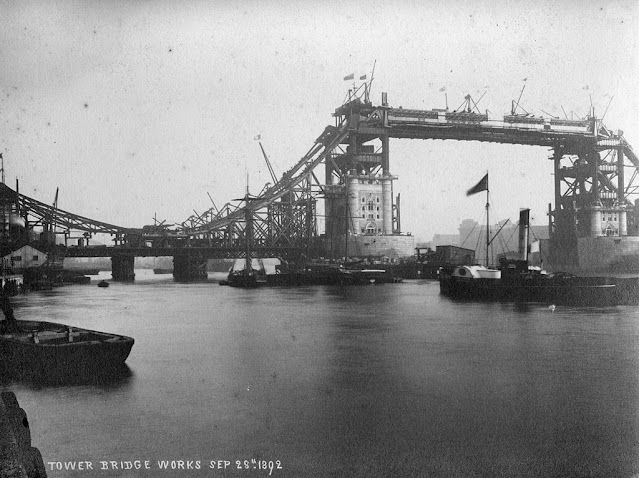
Tower Bridge construction works (credit to http://industrialscenery.blogspot.com/2024/07/1894-london-tower-bridge.html)
History and Construction
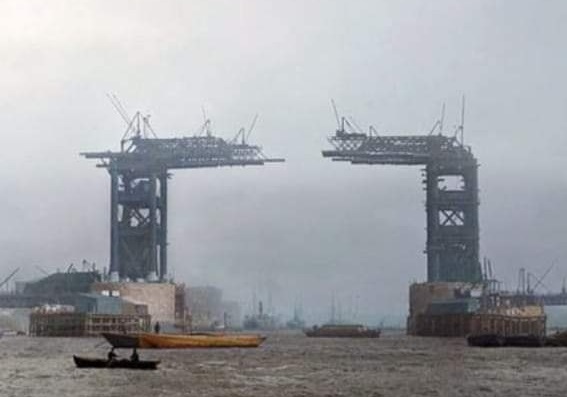
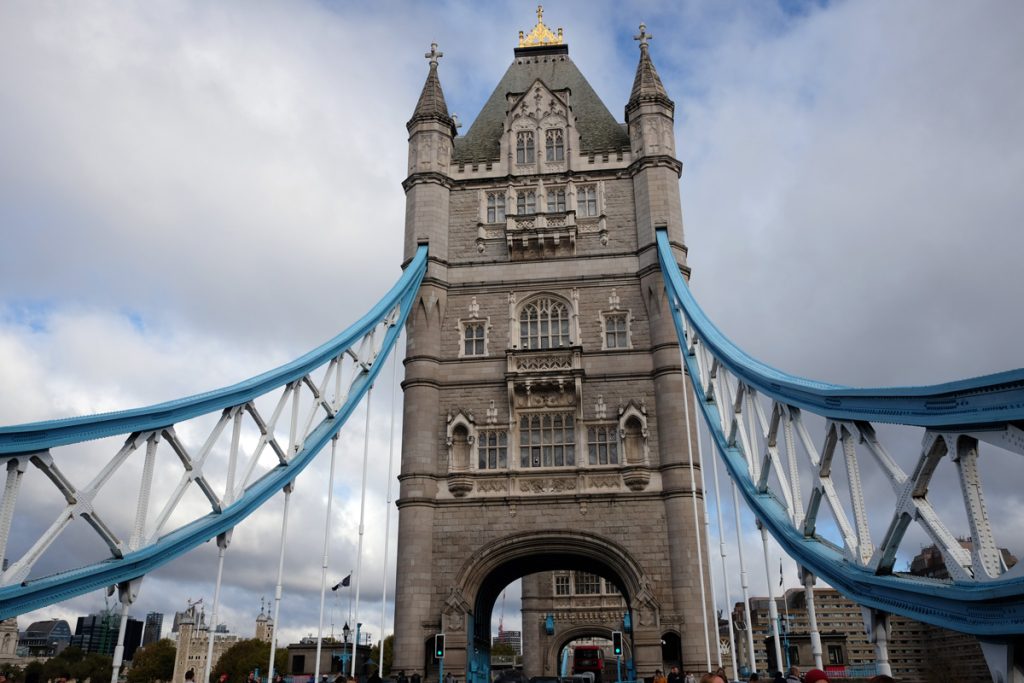
Tower Bridge was built to ease road traffic while maintaining river access to the busy Pool of London docks. Designed by Sir Horace Jones and engineered by Sir John Wolfe Barry, the bridge is a marvel of the Victorian Gothic style, intended to harmonize with the nearby Tower of London. It took eight years and over 400 workers to construct the bridge, which features two massive towers connected by two walkways and flanked by two bascules that lift for passing ships.
Architectural Significance
The bridge spans 800 feet and stands 213 feet high. The bascules, weighing over 1,000 tons each, are counterbalanced to minimize the energy required for lifting, an engineering feat at the time of construction. The walkways, once open to the public and later closed due to disuse, were reopened in the 1980s as part of the Tower Bridge Exhibition, which offers stunning panoramic views of the city.
Cultural Impact and Iconography
Tower Bridge has played a significant role in London’s cultural life, featured in literature, film, and television. It symbolizes London’s enduring spirit and its capacity for blending historical reverence with contemporary vibrancy. The bridge is not just a thoroughfare but also a venue for events and exhibitions, celebrating the city’s history and creativity.

Recent Developments and Visitor Information
In recent years, Tower Bridge has incorporated modern technology to enhance the visitor experience, including a glass floor on the walkways, allowing visitors to view the bridge mechanism and river traffic below. The bridge continues to operate and is accessible to both pedestrians and road traffic, drawing over 800,000 visitors a year to its exhibition and walkways.

Interactive and Educational Experiences
The Tower Bridge Exhibition offers a deeper dive into the bridge’s history and significance. Interactive displays and videos detail the engineering challenges overcome during its construction and the daily operations of the bridge. Visitors can also experience the thrill of seeing the bridge lift, a regular event that is scheduled to accommodate the passing of tall ships. This lifting schedule is published online, allowing both tourists and Londoners to witness this impressive mechanical ballet.
For those who wish to delve deeper into the history and the inner workings of this iconic structure, you can explore a range of exhibitions at Tower Bridge by visiting Tower Bridge Exhibitions. Here, you’ll find engaging displays and interactive experiences that bring the bridge’s rich history to life.
Community and Cultural Events
Beyond its function and history, Tower Bridge serves as a cultural hub in London. It hosts various events throughout the year, including art installations, theatre productions, and private celebrations. Its picturesque setting makes it a favored spot for photography, and it often features in social media for its aesthetic and iconic status.

Environmental and Technological Innovations
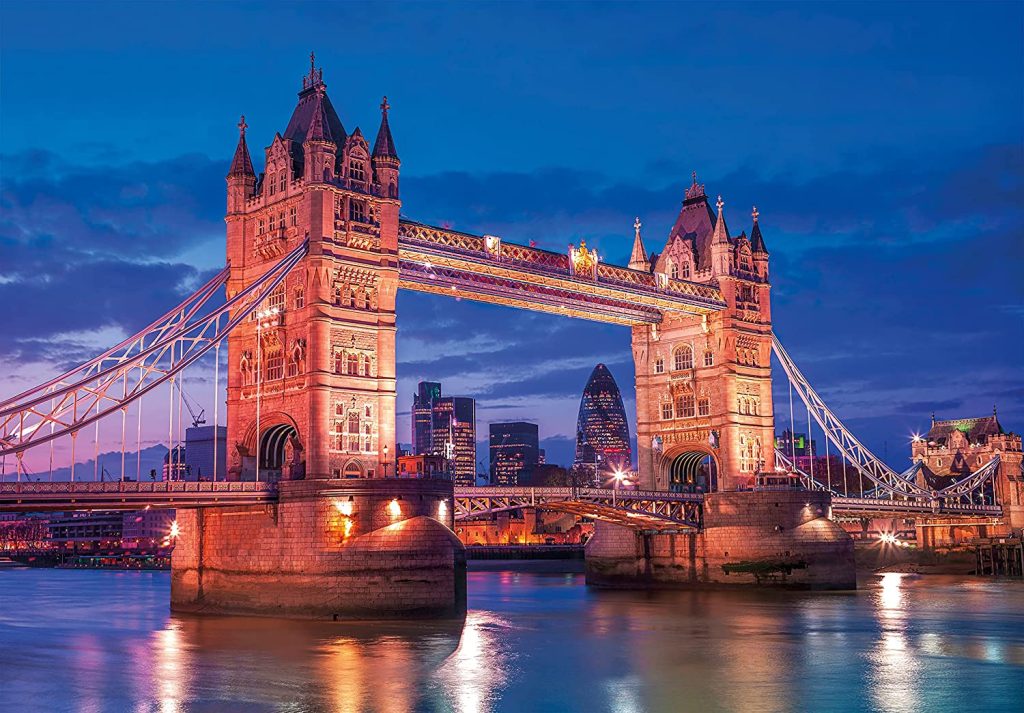
In keeping with modern sustainability trends, Tower Bridge has implemented measures to reduce its environmental impact. This includes LED lighting that illuminates the bridge at night, saving energy while enhancing its visual appeal. Additionally, the bridge’s mechanical systems have been updated over the years to keep operations smooth and environmentally friendly.
Global Icon and Inspirational Symbol
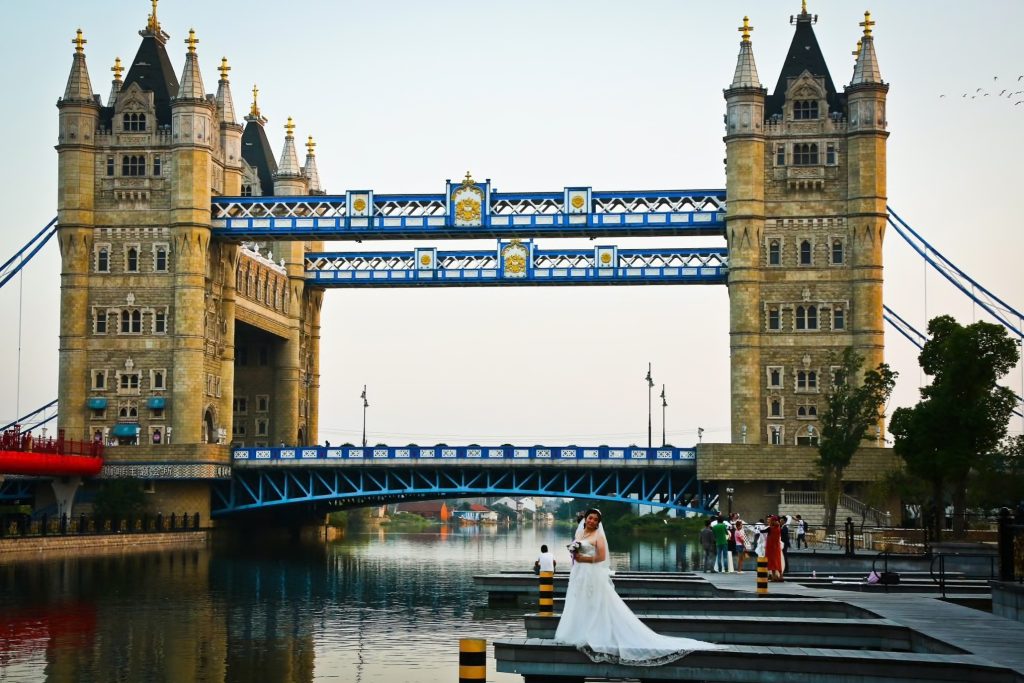
As a symbol of London and British ingenuity, Tower Bridge has inspired numerous replicas around the world. From Suzhou in China to the city of London in Ontario, Canada, these replicas pay homage to the design and spirit of the original bridge, underscoring its global cultural significance.
Visiting Tower Bridge
For those planning to visit, Tower Bridge is easily accessible via multiple modes of transportation. The nearest London Underground station is Tower Hill, and the bridge is also within walking distance of several major London attractions, including the Tower of London and the Shard. Visitors can enjoy nearby riverside walks, or visit local eateries and shops that offer splendid views of the bridge.

The Hidden History Behind Tower Bridge
An emblematic symbol of London, renowned for its distinctive Victorian Gothic architecture and its vital role in the city’s infrastructure. Yet, beyond its visible grandeur and functional significance lies a rich tapestry of lesser-known stories and historical nuances that contributed to its legendary status.
Original Purpose and Design Inspirations
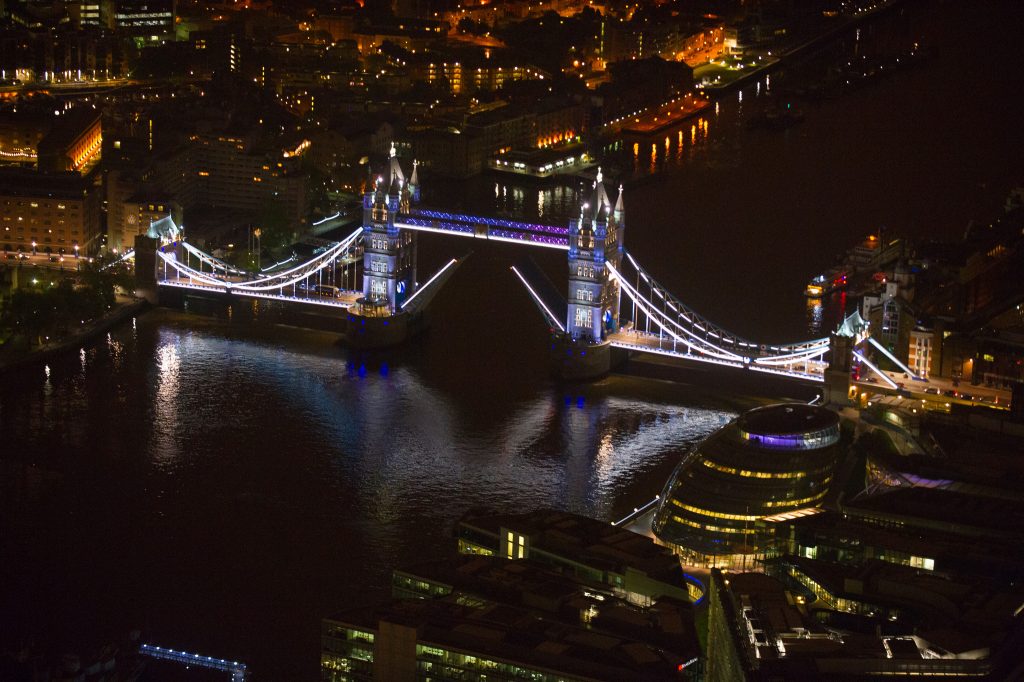
Contrary to common belief, Tower Bridge was not built solely as a tourist attraction but was a response to practical needs. By the late 19th century, London’s population had exploded, leading to severe congestion on the existing London Bridge. The need for another crossing that would not disrupt river traffic was acute, and Tower Bridge was ingeniously designed to be both a bridge and a river passageway with its bascules that lifted to allow tall ships through.
The choice of the Gothic style for the bridge was not just for aesthetic appeal but was also a deliberate decision to complement the nearby Tower of London. Some speculate that the design was meant to convey a sense of strength and endurance, aligning with the historical and military significance of the Tower of London.
Challenges and Innovations During Construction
Construction of the bridge, which started in 1886, faced numerous challenges. The river’s strong currents and deep bed required innovative engineering solutions. The foundations of the bridge’s towers were sunk deep into the riverbed using pressurized caissons, a relatively new technology at the time. This method was risky; workers known as “caisson disease” or decompression sickness affected several bridge builders.
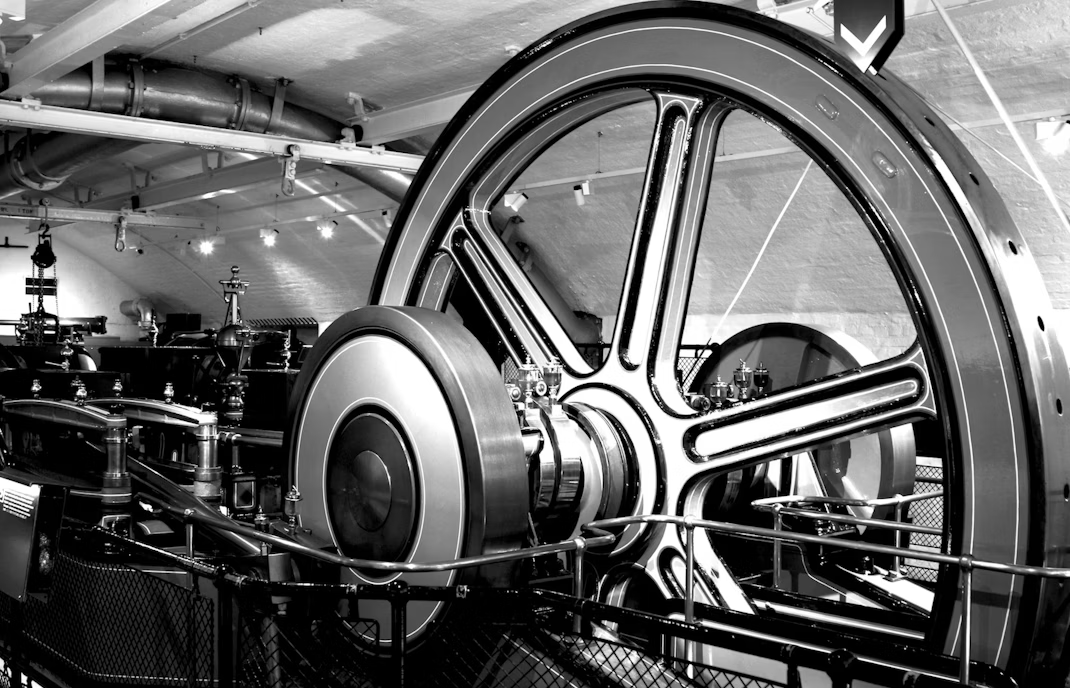
The hydraulic system used to power the opening of the bridge was equally revolutionary for its time. Initially powered by steam, the system was a marvel of engineering, showcasing the capabilities of Victorian technology. This system was later converted to electricity and oil rather than steam, but the original steam engines can still be seen on display at the Tower Bridge Exhibition.

Secrets and Lesser-Known Facts
One of the lesser-known aspects of Tower Bridge’s history involves a near-disaster during a royal event. In 1952, the bridge began to rise while a double-decker bus was still on it. The quick-thinking bus driver accelerated and jumped the gap, preventing a potentially fatal accident and earning a reward for his bravery.
Additionally, during the World Wars, the bridge played a strategic role, with its towers equipped for anti-aircraft gun placements. It was also a target for wartime bombing but, fortunately, never sustained severe damage.

)
Cultural Significance and Legacy
Over the years, Tower Bridge has transcended its initial utility to become a cultural icon, featured in films, television shows, and countless photographs. It has witnessed many historical events, including the 2012 Olympic Games’ maritime procession, further cementing its place in London’s cultural heritage.
Tower Bridge is more than just an architectural and engineering marvel; it is a repository of stories and a witness to over a century of London’s evolution. The hidden history of Tower Bridge, from its strategic origins to its role in wartime and the tales of those who built and maintained it, enriches its significance as one of London’s key landmarks, reminding us that behind every great structure lies a narrative of human endeavor, innovation, and resilience.
It is a vibrant part of London’s living history. Whether you are exploring its walkways, experiencing its lifting, or attending an event, Tower Bridge offers a rich blend of educational, cultural, and aesthetic pleasures, making it a must-visit landmark for anyone coming to London. With its blend of history, technology, and beauty, Tower Bridge not only connects two sides of the Thames—it connects past, present, and future in a truly dynamic display.
It remains one of London’s crowning glories, fascinating visitors with its architectural elegance and dynamic history. As a living monument and a functional piece of infrastructure, Tower Bridge not only supports the logistical demands of a modern city but also stands as a beacon of London’s architectural and cultural heritage.
Whether it’s the innovative engineering behind its construction or its status as a cultural icon, Tower Bridge continues to captivate the imaginations of visitors and locals alike.




Leave a Reply