
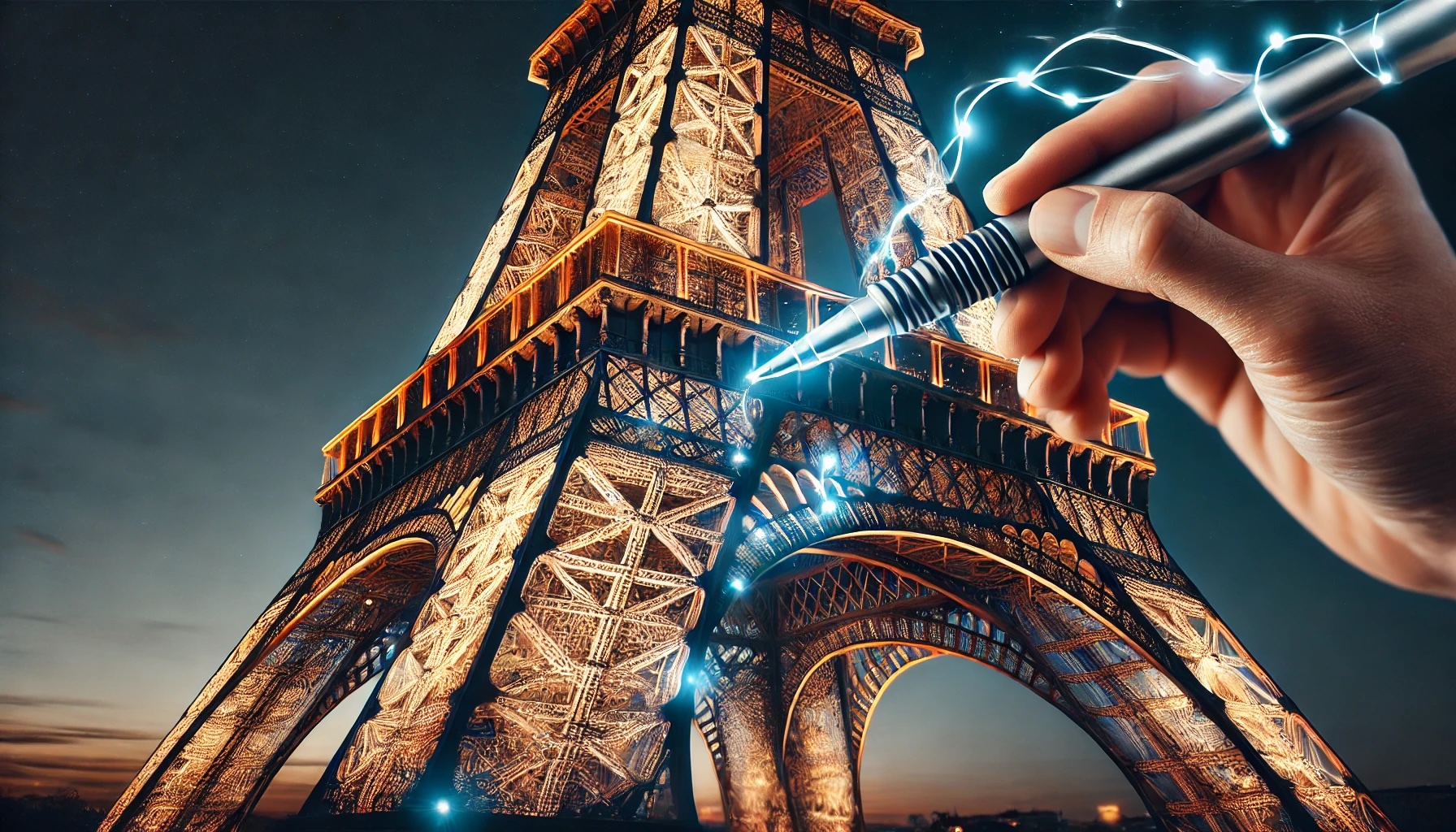


Introduction The Eiffel Tower, standing as a global icon in the heart of Paris, France, is not just a monumental feat of engineering but also a symbol of artistic and cultural significance. Designed by Gustave Eiffel and completed in 1889 for the Exposition Universelle, the tower was initially criticized but has grown to be one of the most recognized structures in the world.
Historical Background Constructed as a temporary exhibit for the 1889 World’s Fair, which marked the 100th anniversary of the French Revolution, the Eiffel Tower was saved from demolition by its usefulness as a radio transmission tower. Over the decades, it has witnessed and adapted to significant historical, cultural, and technological changes, embedding itself into the fabric of French history.
Architectural Significance Standing at 324 meters tall, the Eiffel Tower was the tallest man-made structure in the world until the completion of the Chrysler Building in New York in 1930. Its iron lattice structure is not only a technical achievement but also an artistic one, demonstrating the capabilities of iron as a building material, which was innovative at the time. The design reflects the style of the structural rationalism associated with the modern movement of architecture.
Cultural Impact Beyond its architectural and historical value, the Eiffel Tower has become a symbol of love and light, attracting millions of visitors each year. It features prominently in countless films, literature, and artworks, contributing to its status as a beloved landmark. The tower’s sparkling lights, which illuminate every evening, offer a nightly spectacle that captures the romantic spirit of Paris.
Economic and Social Influence The Eiffel Tower also plays a crucial role in the economy of Paris. As one of the most visited paid monuments in the world, it significantly contributes to the tourism industry, which is a major part of the city’s economy. Socially, it serves as a gathering place for celebrations and demonstrations, illustrating its integral role in Parisian and French life.
Preservation and Innovation In recent years, efforts to preserve the Eiffel Tower have included renovations to improve its environmental sustainability. These include plans for renewable energy installations to minimize its ecological footprint, showing a commitment to innovation that honors Gustave Eiffel’s original vision.

The Eiffel Tower, while primarily known as an architectural and cultural icon, can also inspire various special theories related to its impact and symbolism in both scientific and socio-cultural realms. One interesting perspective is the theory of the Eiffel Tower as a metaphor for modernity and its effects on society and culture. Here’s an exploration of this concept:
The Eiffel Tower: A Metaphor for Modernity and Technological Progress
Introduction to the Theory The Eiffel Tower was erected at a time when the world was rapidly transitioning into the modern age, marked by profound changes in technology, society, and culture. As the centerpiece of the 1889 World’s Fair, it symbolized industrial and technological progress. This theory posits that the tower not only represents technological advancements but also the broader implications of modernity on urban landscapes and human experiences.
Technological Symbolism The construction of the Eiffel Tower demonstrated the possibilities of iron as a structural material, pushing the boundaries of architectural design and engineering. In this theory, the tower serves as a symbol of the Industrial Revolution’s innovations and challenges, reflecting the excitement and anxieties of transitioning into a new technological era. It showcased the potential of human ingenuity, while also raising questions about aesthetics and the natural environment.
Cultural Reflections As Paris evolved with the Eiffel Tower at its heart, the structure began to reflect various cultural shifts. This theory examines how the tower mirrors changes in artistic expressions, social norms, and collective memory. Over time, it has been embraced as a symbol of French identity and artistic flair, demonstrating how technological symbols can become deeply embedded in cultural narratives.
Societal Impact The introduction of the Eiffel Tower to the Parisian skyline altered more than just the physical landscape—it influenced social dynamics and urban development. According to this theory, the tower’s presence encouraged urban sprawl and influenced the tourism industry, becoming a focal point for both economic growth and cultural tourism. It serves as a case study in how modernist projects can reshape economic and social structures.
Modern Environmental Considerations In contemporary times, the theory can extend to the environmental impact of modern structures. The recent sustainability upgrades to the Eiffel Tower, including efforts to reduce its ecological footprint, reflect a modern understanding of progress—one that incorporates environmental consciousness into the legacy of technological advancement.
The special theory of the Eiffel Tower as a metaphor for modernity provides a multifaceted lens through which to view the monument. It is not merely an architectural feat but also a symbol of the complexities and dualities of modern progress—encompassing technological, cultural, and environmental dimensions. This perspective invites ongoing dialogue about the role of iconic structures in shaping and reflecting the trajectories of the societies in which they stand.
Military Importance
During World War I, the Eiffel Tower played a significant role as a military radio transmission tower. It was also used for dispatching emergency troop movements and communicating vital messages. Its strategic importance was recognized again in World War II when French resistance fighters reputedly scrambled the Nazi radio frequencies that were being used from the tower.
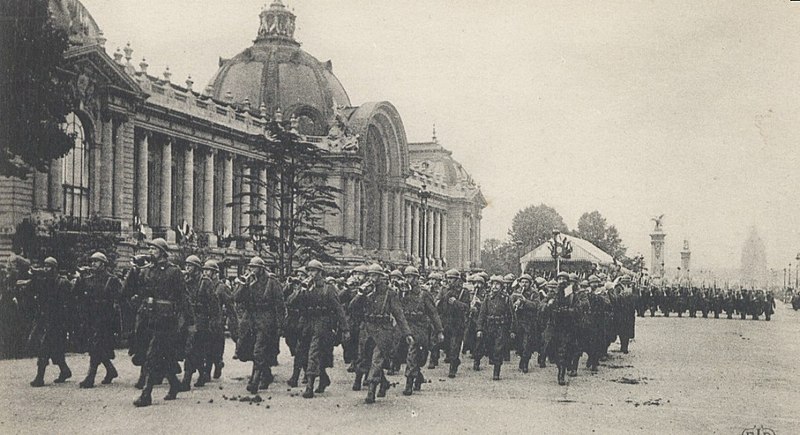
(credit to https://en.wikipedia.org/wiki/Paris_in_World_War_I)
Initial Controversy
While today the Eiffel Tower is universally beloved, its initial reception was far from positive. Many prominent Parisians and artists of the time despised it, considering it an eyesore. A group of esteemed artists and intellectuals, including Charles Gounod and Guy de Maupassant, even published a protest in the newspaper called “The Protest of the Artists” against the tower.

Gustave Eiffel’s Secret Apartment
Gustave Eiffel designed a small, private apartment for himself at the top of the tower, which was not open to the public for many years. Furnished simply but elegantly, it hosted famous visitors including Thomas Edison. Today, it’s part of the tour available to visitors, showcasing mannequins of Eiffel and Edison in a reconstructed setting.
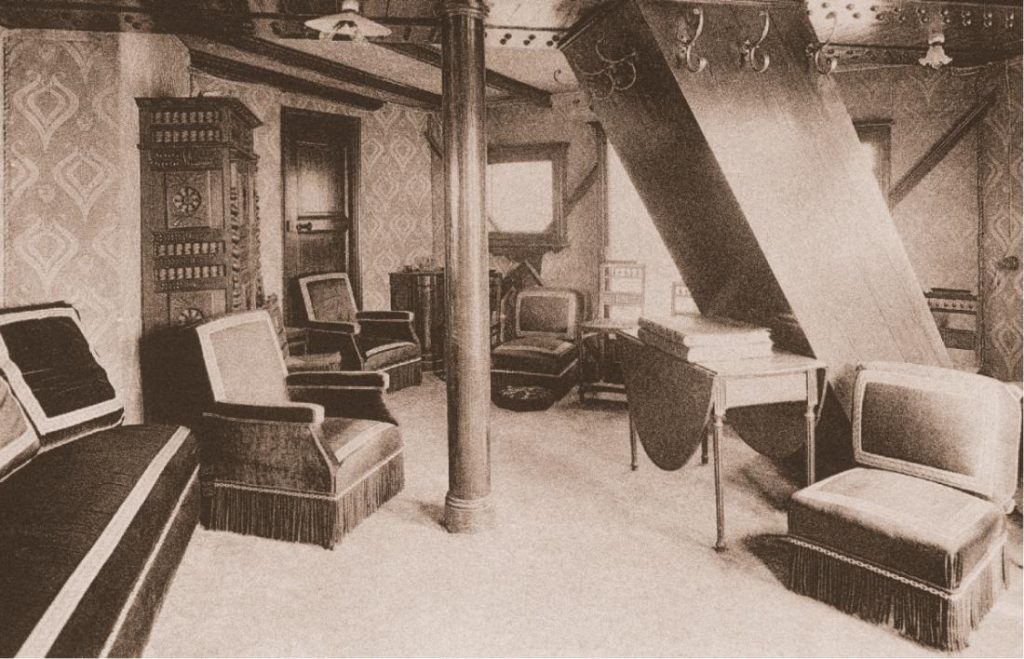
(credit to https://www.toureiffel.paris/en/news/130-years/did-gustave-eiffel-live-tower)
Lifespan and Demolition Plans
The Eiffel Tower was not intended to be a permanent fixture in Paris. Originally, it was slated to be dismantled in 1909, 20 years after its construction, as its permit was only for that duration. However, its usefulness for communication purposes during war time secured its place as a permanent fixture on the Paris skyline.
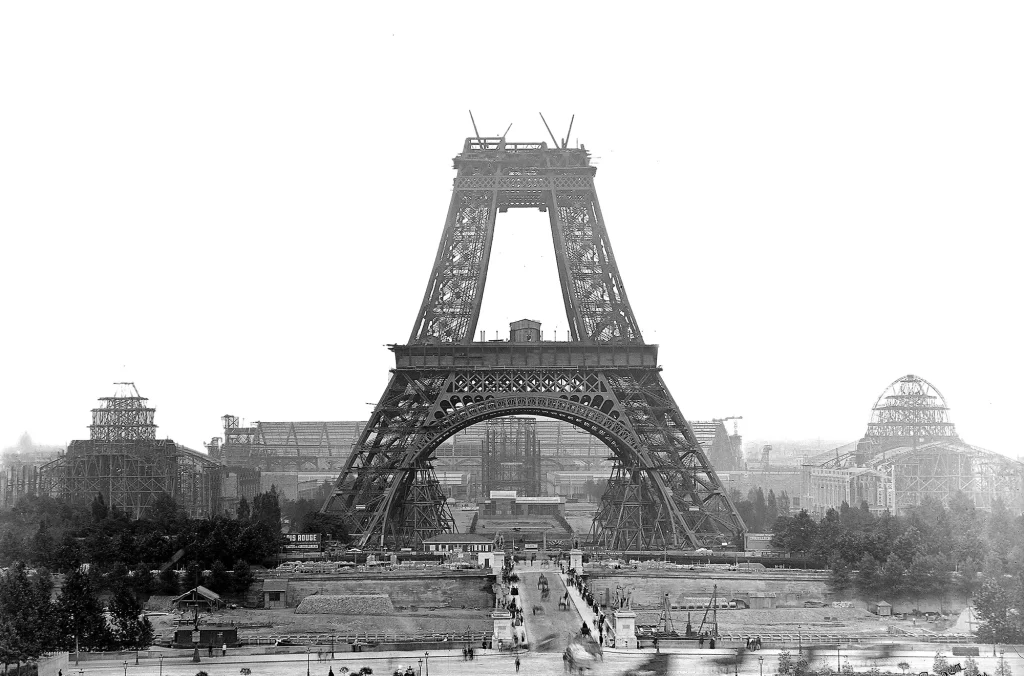
Eiffel Tower under construction
(credit to https://www.vox.com/2015/3/31/8314115/when-the-eiffel-tower-opened-to-the-public)
Symbol of Scientific Achievements
The Eiffel Tower also symbolizes scientific progress. Gustave Eiffel used the tower to conduct meteorological observations, and later, aerodynamic experiments. It has housed a meteorological station, a wind tunnel, and various scientific laboratories throughout its history.
The Graffiti
Hidden on the Eiffel Tower, beneath the paint, are numerous instances of historical graffiti. Workers, visitors, and various individuals over the decades have left signatures, messages, and drawings. These mark personal moments and historical events, making the structure a layered manuscript of human interaction.
Tourists are often drawn to sites that offer a glimpse into personal histories and intimate moments. The graffiti on the Eiffel Tower provides just that—a connection to the past and a chance to imagine the stories of those who left their marks. It humanizes the monument, transforming it from an imposing iron structure into a canvas that tells stories of love, celebration, and everyday life.

The Staircase Auction
In 1983, a surprising piece of the Eiffel Tower’s history was literally cut away and sold—its original staircase. When an elevator was installed between the second and third levels, a section of the original spiral staircase was removed. This staircase, comprising 24 steps, was subsequently auctioned and divided into 24 sections, which are now scattered across the globe. Pieces of the staircase can be found in locations such as the Statue of Liberty, Disneyland Paris, and private collections, symbolizing the global reach and enduring allure of the Eiffel Tower.
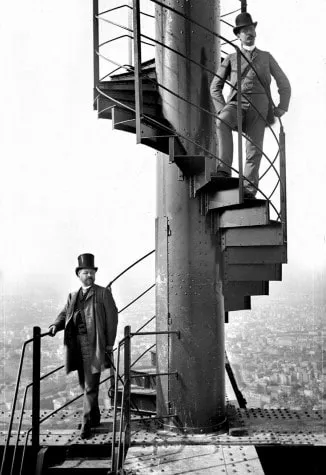
(credit to https://www.prestigeonline.com/hk/lifestyle/art-plus-design/eiffel-tower-staircase-auction/)
Exploring these lesser-known aspects of the Eiffel Tower enriches the narrative of this iconic structure, highlighting its complex and multifaceted history beyond being just an architectural and cultural monument.
As your journey comes to a close, let the iconic Eiffel Tower linger in your heart and mind. Picture yourself standing beneath its immense iron latticework, feeling a surge of awe and a profound connection to the countless souls who have shared this very experience. It’s more than just a visit; it’s a pilgrimage to a beacon of human achievement and artistic endeavor.
Do you yearn for enchantment? The Eiffel Tower isn’t merely a structure; it’s a key to a realm of inspiration and romance. As you gaze up at its towering form against the Parisian sky, allow yourself to dream bigger, feel deeper, and believe in the magic of moments that leave a lasting imprint on your soul. Isn’t it time you embraced the desires tugging at your spirit? Paris, with its emblem of iron and light, awaits your arrival.
For enthusiasts eager to bring a piece of this iconic symbol into their homes or offices, miniature replicas of the Eiffel Tower are available for purchase. These detailed models capture the essence of the Parisian landmark, allowing you to hold a piece of history and architectural marvel in your own space. To explore a selection of high-quality Eiffel Tower miniatures, visit here to support us or follow the image link as follow to support us, where history meets craftsmanship. Whether as a gift or a personal keepsake, these miniatures serve as a daily reminder of the enduring spirit and charm of the Eiffel Tower.
Matte Canvas


Eiffel Tower Tee B&w
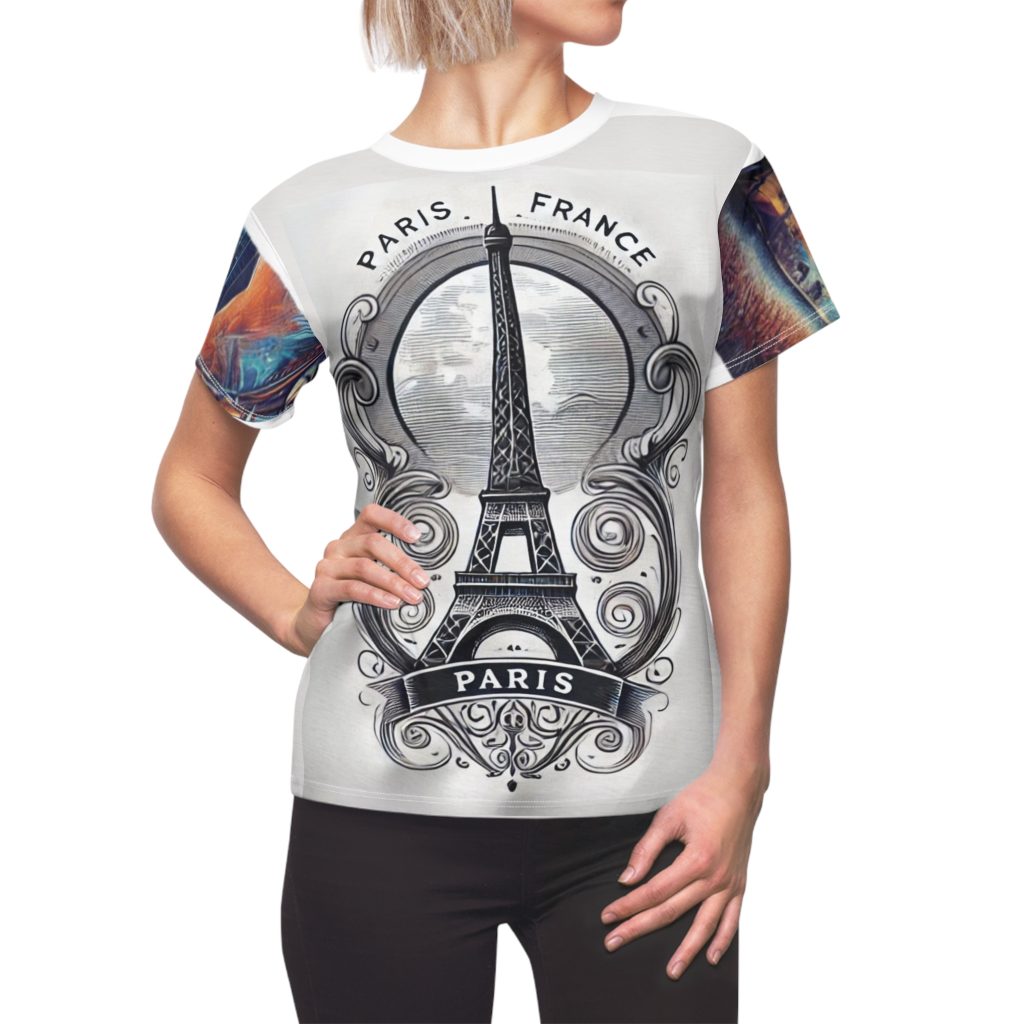
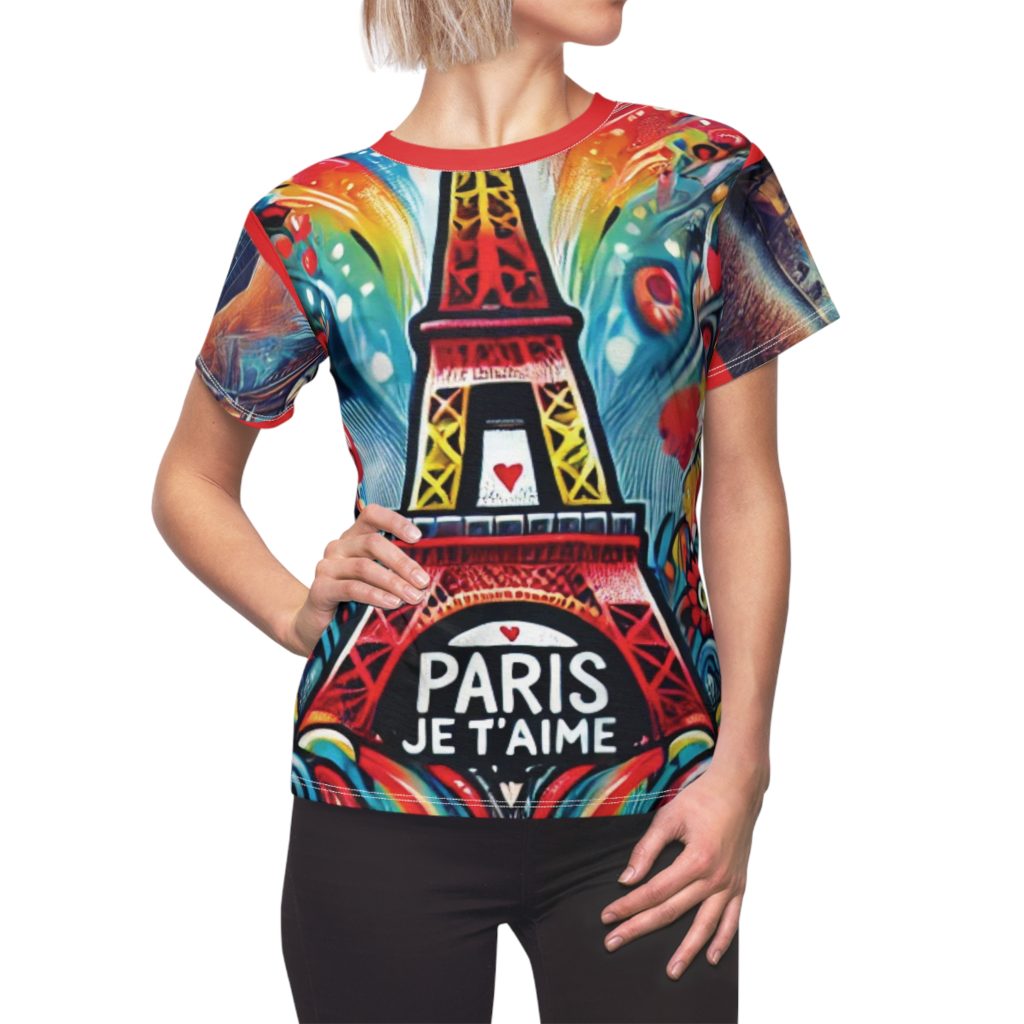
Eiffel Tower Tee




Leave a Reply